Residential-Commercial Hybrid Properties: A Smart Investment Strategy
Discover how mixed-use properties in Cranberry Township and Middlesex, PA offer dual income potential and long-term appreciation.

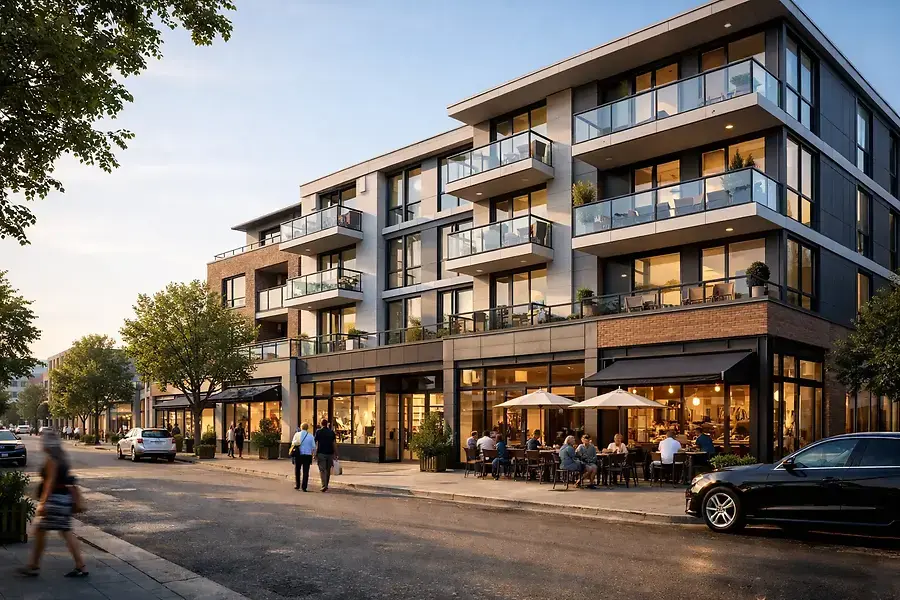
Understanding Residential-Commercial Hybrid Properties and Their Market Advantages
Residential-commercial hybrid properties, also known as mixed-use properties, combine both living spaces and commercial areas under one roof or within the same development. These innovative properties have become increasingly popular among savvy investors seeking to maximize returns while minimizing risk exposure.
The primary advantage of hybrid properties lies in their dual income potential. Unlike traditional single-use properties, mixed-use developments generate revenue from multiple sources simultaneously. A property might feature apartments on upper floors with retail or office space on the ground level, creating a diversified income stream that buffers against market fluctuations.
Why Investors Are Choosing Hybrid Properties
The appeal of residential-commercial properties extends beyond simple income generation. These properties offer:
- Risk mitigation – Multiple revenue streams reduce dependency on a single tenant or market segment
- Increased property value – Mixed-use developments typically appreciate faster than single-use properties
- Tenant stability – Commercial tenants often sign longer leases, providing predictable income
- Community appeal – Walkable, mixed-use neighborhoods attract quality residents and businesses
The hybrid model creates a self-sustaining ecosystem where residential tenants support local businesses, and commercial establishments enhance neighborhood desirability, creating a virtuous cycle of appreciation and stability.
Evaluating Location and Zoning: Why Cranberry and Middlesex Stand Out
Location is paramount in real estate investment, and Cranberry Township and Middlesex, Pennsylvania, have emerged as premier destinations for hybrid property investments. These communities offer the ideal combination of growth potential, favorable zoning regulations, and strong market fundamentals.
Cranberry Township: A Growing Hub
Cranberry Township has experienced significant economic development and population growth. The township's strategic location near major employment centers makes it attractive for both residential and commercial tenants. The area's progressive zoning policies actively encourage mixed-use development, making it easier for investors to acquire and develop hybrid properties.
Key advantages of Cranberry Township include:
- Strong population growth and demographic diversity
- Proximity to major highways and transportation corridors
- Established commercial districts with high foot traffic
- Family-friendly amenities and quality schools
Middlesex: Emerging Opportunities
Middlesex represents an emerging market with significant upside potential. As development spreads outward from established urban centers, Middlesex is positioned to capture growth at more favorable entry prices. The township's flexible zoning framework supports innovative mixed-use projects that blend residential comfort with commercial convenience.
The combination of affordable entry prices and strong growth trajectory makes Middlesex particularly attractive for investors seeking appreciation potential without premium valuations.
Financial Benefits: Rental Income, Tax Advantages, and Portfolio Diversification
The financial case for residential-commercial hybrid properties is compelling. These investments deliver multiple layers of financial benefit that extend far beyond simple rental income.
Maximizing Rental Income
Hybrid properties generate revenue from both residential and commercial tenants. Commercial spaces typically command higher per-square-foot rental rates than residential units, while residential components provide stable, long-term income. This combination creates a superior income profile compared to single-use properties.
"A well-positioned hybrid property can generate 30-40% more annual income than comparable single-use properties in the same market."
Tax Advantages and Deductions
Hybrid property owners benefit from substantial tax advantages unavailable to other investors:
- Depreciation deductions – Both residential and commercial components qualify for depreciation benefits
- Operating expense deductions – Utilities, maintenance, insurance, and property management costs are fully deductible
- Cost segregation strategies – Commercial components allow accelerated depreciation schedules
- Capital gains treatment – Long-term ownership qualifies for favorable capital gains taxation
These tax benefits can significantly enhance after-tax returns, making hybrid properties particularly attractive for investors in higher tax brackets.
Portfolio Diversification Benefits
Including hybrid properties in an investment portfolio provides diversification across multiple dimensions. You're not dependent on residential market cycles or commercial market cycles—you benefit from both. This cross-market diversification reduces overall portfolio volatility and creates more stable, predictable returns.
Additionally, hybrid properties appeal to different tenant demographics, reducing vacancy risk and creating more resilient income streams during economic downturns.
Getting Started: Steps to Finding and Purchasing Your Hybrid Property
Entering the hybrid property market requires strategic planning and careful execution. Follow these essential steps to identify and acquire the right property for your investment goals.
Step 1: Define Your Investment Criteria
Before beginning your search, establish clear investment parameters:
- Target property size and unit mix
- Desired income level and cash-on-cash return targets
- Geographic preferences within Cranberry or Middlesex
- Budget and financing capacity
- Timeline for acquisition and expected holding period
Step 2: Research Market Conditions and Zoning
Thoroughly investigate local zoning regulations, development plans, and market trends. Contact municipal planning departments to understand:
- Current zoning classifications and permitted uses
- Planned infrastructure improvements and developments
- Commercial and residential market rental rates
- Vacancy rates and tenant demand
Step 3: Partner with Specialized Professionals
Hybrid property investments benefit from expert guidance. Assemble a team including:
- Real estate agents experienced in mixed-use properties
- Commercial property inspectors familiar with dual-use buildings
- Tax advisors knowledgeable about hybrid property deductions
- Commercial lenders who understand hybrid property financing
Step 4: Analyze Potential Properties Thoroughly
When evaluating specific properties, conduct comprehensive financial analysis:
- Review current tenant leases and rental rates
- Analyze operating expenses and maintenance requirements
- Project future income based on market trends
- Calculate cap rates, cash-on-cash returns, and appreciation potential
- Assess physical condition and required capital improvements
Step 5: Secure Appropriate Financing
Hybrid properties may require specialized financing. Work with lenders experienced in mixed-use properties to explore options including conventional mortgages, commercial loans, and portfolio lending programs that account for the property's unique income characteristics.
Residential-commercial hybrid properties represent a sophisticated investment strategy that combines the stability of residential real estate with the income potential of commercial properties. In markets like Cranberry Township and Middlesex, Pennsylvania, these properties offer compelling opportunities for investors seeking diversified income, tax advantages, and long-term appreciation. By following a systematic approach to evaluation and acquisition, you can position yourself to benefit from this powerful investment model.


