Residential-Commercial Hybrid Properties: Growth Opportunities Across Florida and Michigan
Discover how mixed-use properties are transforming investment strategies in Spring Hill, Brooksville, and beyond.

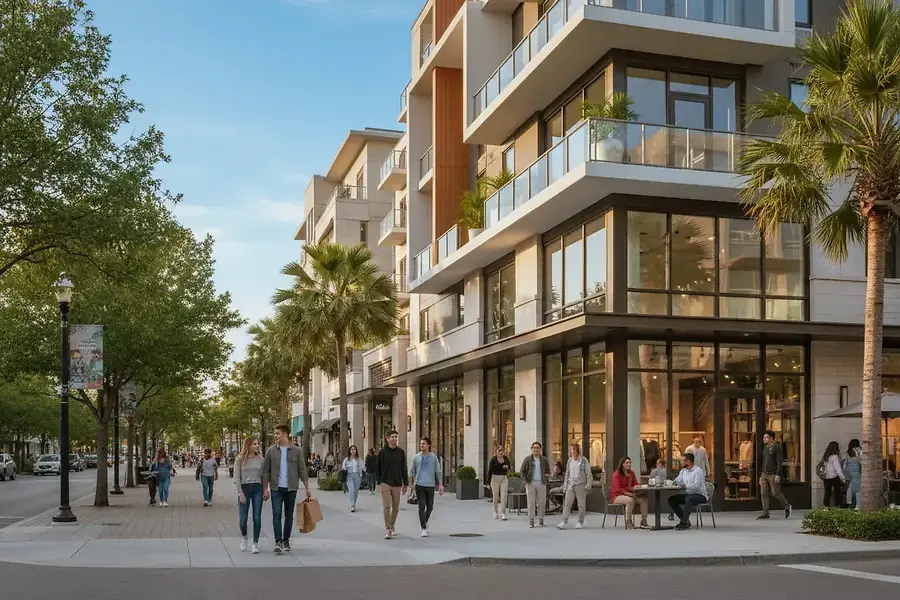
The Rise of Residential-Commercial Hybrid Properties
The real estate landscape is undergoing a significant transformation. Residential-commercial hybrid properties are no longer niche investments—they've become mainstream opportunities that savvy investors are capitalizing on across the nation. These mixed-use developments combine residential units with commercial spaces, creating dynamic properties that serve multiple purposes and generate diverse revenue streams.
The appeal is straightforward: hybrid properties offer investors the stability of residential income paired with the higher profit margins of commercial ventures. Whether it's a building with apartments above retail shops or a complex featuring condos alongside office spaces, these properties are reshaping how investors think about real estate portfolios.
What's driving this growth? Changing consumer preferences, urbanization trends, and the desire for walkable communities are all contributing factors. People increasingly want to live, work, and shop in the same neighborhoods, making hybrid properties the perfect solution for modern living.
Market Analysis: Why Spring Hill and Brooksville Lead Florida's Mixed-Use Growth
The Florida Advantage
Florida has emerged as a hotbed for hybrid property development, and two cities stand out: Spring Hill and Brooksville. Located in Hernando County, these communities are experiencing unprecedented growth in mixed-use real estate.
Spring Hill, with its rapidly expanding population and strategic location between Tampa and Orlando, has become particularly attractive to developers. The city's infrastructure improvements and business-friendly environment have created ideal conditions for hybrid properties. Brooksville, the county seat, offers similar advantages with established commercial districts and growing residential demand.
Key Market Drivers
- Population Growth: Both cities are experiencing steady population increases, creating demand for diverse housing and commercial options.
- Affordable Land Costs: Compared to major metropolitan areas, land prices remain reasonable, allowing for larger, more ambitious projects.
- Strategic Location: Proximity to major highways and employment centers makes these areas attractive to both residents and businesses.
- Development Infrastructure: Local governments are actively supporting mixed-use development through zoning reforms and incentive programs.
- Demographic Diversity: Young professionals, families, and retirees are all moving to the area, creating varied market opportunities.
Michigan's Emerging Opportunities
While Florida leads in growth velocity, Michigan presents equally compelling opportunities for hybrid property investors. Cities like Grand Rapids and Ann Arbor are experiencing revitalization, with downtown areas being reimagined as mixed-use destinations.
Michigan's advantages include lower property acquisition costs compared to Florida, a strong educated workforce, and growing tech and healthcare sectors that drive commercial demand. The state's commitment to urban renewal makes it an excellent secondary market for diversified real estate portfolios.
Investment Strategies: Maximizing Returns with Dual-Purpose Properties in Multiple States
Understanding Revenue Diversification
The primary advantage of hybrid properties is revenue diversification. Rather than relying on a single income stream, investors benefit from multiple sources:
- Residential rental income from apartments or condos
- Commercial lease payments from retail or office tenants
- Parking revenue and ancillary services
- Potential appreciation across both property types
This diversification provides stability during market fluctuations. If residential demand softens, strong commercial performance can offset losses, and vice versa.
Strategic Acquisition Approach
Location Selection: Focus on emerging markets with strong fundamentals like Spring Hill and Brooksville, where property values are still appreciating but infrastructure is improving. These areas offer the best risk-reward balance.
Property Analysis: Evaluate both residential and commercial components separately. Ensure residential units are in high-demand areas and commercial spaces attract quality tenants with long-term lease agreements.
Financing Strategies: Hybrid properties may qualify for specialized financing. Work with lenders experienced in mixed-use development to secure favorable terms that account for the property's dual income streams.
Operational Excellence
Success with hybrid properties requires professional management. Consider hiring experienced property managers who understand both residential and commercial operations. They'll ensure tenant satisfaction, maintain property standards, and maximize occupancy rates across both segments.
"Hybrid properties represent the future of real estate investment. They offer stability, growth potential, and the flexibility to adapt to changing market conditions."
Market-Specific Strategies
Florida Focus: In Spring Hill and Brooksville, prioritize properties near commercial corridors and residential growth areas. The influx of new residents creates immediate tenant demand. Consider properties that can serve both the growing population and the expanding business community.
Michigan Approach: Target downtown revitalization areas where property values are rising and community investment is strong. These locations attract both residential tenants seeking urban lifestyles and businesses wanting downtown presence.
Positioning Yourself for Success in Hybrid Real Estate Markets
The hybrid property market is expanding rapidly, and the time to invest is now. Here's how to position yourself for success:
- Educate Yourself: Understand local zoning laws, market trends, and financing options in your target markets.
- Build a Network: Connect with local real estate professionals, developers, and property managers who understand hybrid properties.
- Start Strategic: Consider starting with smaller hybrid properties to gain experience before scaling up to larger investments.
- Monitor Market Trends: Stay informed about demographic shifts, economic development, and regulatory changes affecting your target areas.
- Think Long-Term: Hybrid properties are best suited for investors with medium to long-term horizons who can weather market cycles.
The residential-commercial hybrid property market represents one of the most exciting opportunities in real estate today. Whether you're looking to invest in the booming markets of Spring Hill and Brooksville or exploring opportunities in Michigan, the fundamentals are clear: mixed-use properties offer diversified income, growth potential, and resilience.
By understanding market dynamics, implementing sound investment strategies, and positioning yourself in high-growth areas, you can capitalize on this transformative trend. The future of real estate is hybrid, and the opportunities are waiting for informed, strategic investors ready to act.


