Residential-Commercial Hybrid Properties: Irving & DFW Investment Guide
Discover how mixed-use residential-commercial properties are transforming investment opportunities across the Dallas-Fort Worth metroplex.

The Rise of Hybrid Property Investments in Irving and DFW
The real estate landscape across the Dallas-Fort Worth metroplex is experiencing a significant transformation. Residential-commercial hybrid properties are no longer a niche investment strategy—they've become a mainstream opportunity that savvy investors are actively pursuing. Irving, positioned at the heart of the DFW region, has emerged as a particularly attractive hub for these mixed-use developments.
The convergence of urban living preferences, remote work flexibility, and the demand for walkable communities has created unprecedented demand for properties that seamlessly blend residential and commercial spaces. This shift represents more than just a real estate trend; it's a fundamental change in how communities are designed and how investors can generate returns.
Understanding Residential-Commercial Hybrid Properties: Structure, Benefits, and Market Demand
What Are Residential-Commercial Hybrid Properties?
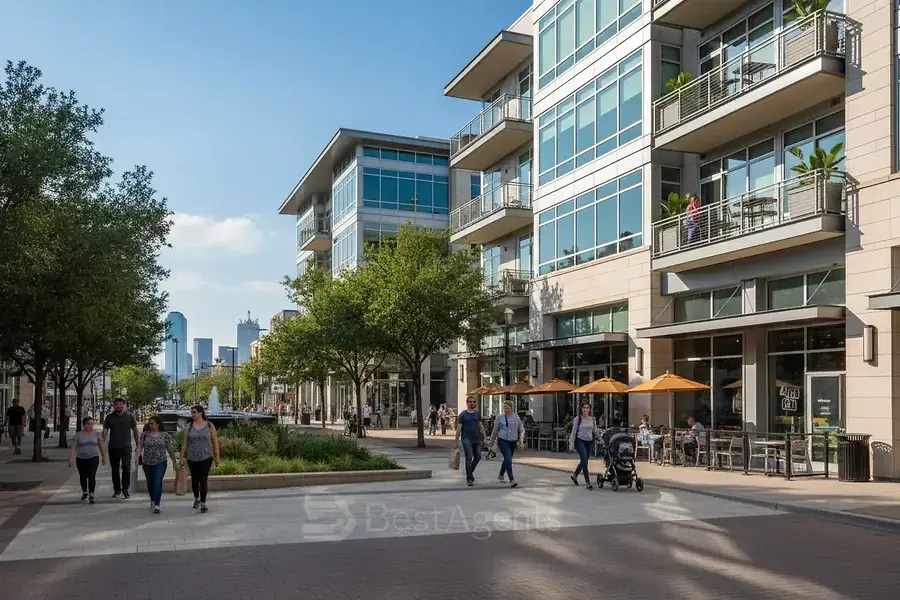
Residential-commercial hybrid properties, also known as mixed-use developments, combine living spaces with commercial establishments under one roof or within a unified development. These properties typically feature:
- Residential units (apartments, condos, or lofts) on upper floors
- Retail spaces, offices, or restaurants on ground levels
- Shared amenities and integrated community spaces
- Unified management and operational systems
Key Benefits for Investors
Diversified Income Streams: Unlike traditional single-use properties, hybrid developments generate revenue from multiple sources. Residential tenants provide stable, long-term income, while commercial tenants often sign shorter leases at premium rates.
Enhanced Property Value: Mixed-use properties typically command higher valuations due to their versatility and appeal to both residential and commercial markets. The synergy between uses creates value that exceeds the sum of individual components.
Reduced Vacancy Risk: When one sector experiences a downturn, the other often remains stable. This natural hedge protects your investment during market fluctuations.
Increased Foot Traffic: Commercial tenants attract customers and visitors, creating vibrant communities that appeal to residential tenants. This organic activity enhances the overall property appeal and tenant satisfaction.
Growing Market Demand
The demand for hybrid properties continues to accelerate. Millennials and Gen Z professionals increasingly prefer living in walkable, mixed-use neighborhoods where they can work, shop, and dine without relying on personal vehicles. This demographic shift has created sustained demand for properties that offer convenience and community.
Additionally, the rise of remote work has made location flexibility more important than ever. Professionals now seek residential spaces near quality amenities and social opportunities rather than proximity to a single office location.
Why Irving and DFW Are Leading Markets for Residential-Commercial Development
Strategic Location and Infrastructure
Irving's position within the DFW metroplex offers unparalleled advantages. The city serves as a bridge between Dallas and Fort Worth, with excellent connectivity through major highways, public transportation, and the Dallas-Fort Worth International Airport. This strategic positioning makes Irving an ideal location for businesses and residents seeking accessibility without downtown congestion.
Economic Growth and Business Environment
The DFW region has consistently ranked among the fastest-growing metropolitan areas in the United States. Major corporations continue relocating to the region, creating robust employment opportunities. Irving, in particular, hosts numerous corporate headquarters and regional offices, generating strong demand for both commercial and residential spaces.
Key economic drivers include:
- Technology and telecommunications companies expanding operations
- Healthcare and professional services sector growth
- Retail and hospitality industry expansion
- Increasing venture capital investment in local startups
Demographic Trends Favoring Mixed-Use Development
The DFW population continues growing at rates significantly above national averages. This influx of new residents, particularly young professionals and families, creates sustained demand for housing and commercial services. Irving's relatively affordable cost of living compared to other major metros makes it particularly attractive to this demographic.
Regulatory Environment and Development Incentives
Irving and surrounding DFW municipalities have demonstrated strong support for mixed-use development through favorable zoning policies and development incentives. City planners recognize that hybrid properties contribute to vibrant, sustainable communities and have streamlined approval processes accordingly.
Many areas offer:
- Tax increment financing (TIF) districts
- Expedited permitting for mixed-use projects
- Infrastructure improvement grants
- Density bonuses and height variances
Real Estate Market Performance
Irving's real estate market has demonstrated resilience and consistent appreciation. Property values have grown steadily, with mixed-use properties outperforming single-use developments in terms of appreciation rates and rental yields. The combination of strong fundamentals and forward-thinking development policies creates an ideal environment for hybrid property investments.
Positioning Yourself as a Hybrid Property Expert in Your Local Market
As the hybrid property market matures, investors who understand these opportunities will gain significant competitive advantages. Success in this space requires:
Market Knowledge: Stay informed about zoning changes, development pipelines, and demographic trends specific to Irving and DFW. Understanding local market dynamics is essential for identifying undervalued opportunities.
Financial Acumen: Hybrid properties require sophisticated financial analysis. You must understand how to model multiple income streams, evaluate lease structures for both residential and commercial tenants, and assess the impact of mixed-use operations on property management costs.
Network Development: Build relationships with local developers, property managers, commercial brokers, and residential agents. These connections provide early access to opportunities and valuable market insights.
Risk Management: Develop strategies to mitigate risks associated with mixed-use properties, including tenant mix optimization, lease diversification, and contingency planning for market downturns.
The residential-commercial hybrid property market in Irving and the DFW metroplex represents a compelling investment opportunity. As urban preferences continue evolving and the region experiences sustained economic growth, these properties will likely remain in high demand. By understanding the fundamentals of hybrid properties and the specific advantages of the Irving and DFW markets, you can position yourself to capitalize on this transformative trend and build a robust, diversified real estate portfolio.


