Residential-Commercial Hybrid Properties: Smart Twin Cities Investment Strategy
How smart investors are capitalizing on mixed-use properties across Hennepin and Carver counties.

Understanding Mixed-Use Properties and Their Market Advantage
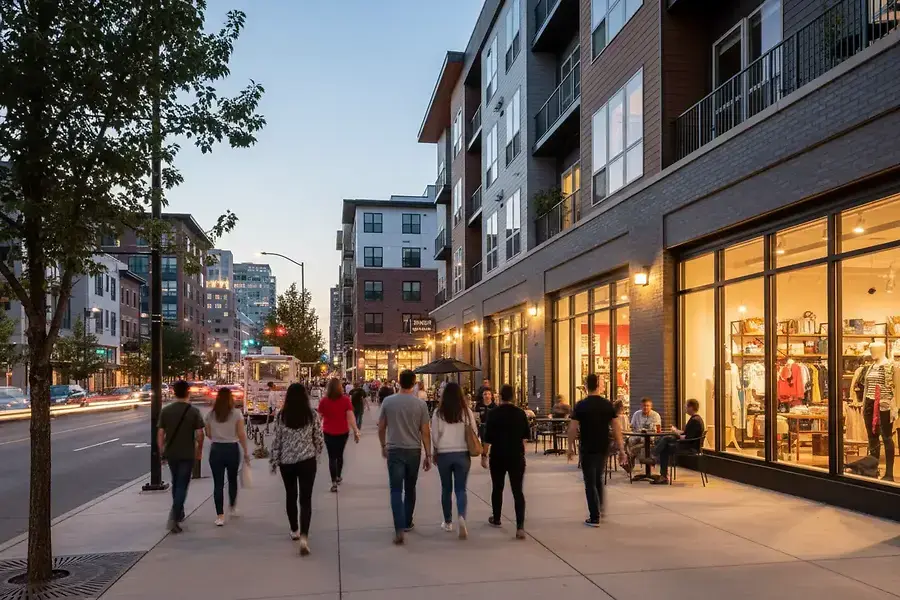
Mixed-use properties represent one of the most dynamic investment opportunities in today's real estate market. These hybrid properties combine residential units with commercial spaces—such as retail shops, offices, or service businesses—under one roof or within a single development. The beauty of this investment model lies in its ability to generate multiple revenue streams simultaneously.
The market advantage of mixed-use properties is compelling. Unlike traditional single-use investments, hybrid properties provide investors with diversified income sources that can weather economic fluctuations. When residential rental income dips, commercial tenants may maintain stable leases. Conversely, when commercial spaces thrive, they attract foot traffic that benefits residential appeal and property value appreciation.
In the Twin Cities region, particularly across Hennepin and Carver counties, mixed-use properties have become increasingly attractive. The area's growing population, expanding business districts, and urban revitalization initiatives create an ideal environment for these hybrid investments. Smart investors recognize that mixed-use properties offer:
- Multiple revenue streams from residential and commercial tenants
- Enhanced property values due to increased utility and demand
- Reduced vacancy risk through diversified tenant bases
- Tax advantages and depreciation benefits across multiple property types
- Community appeal that attracts quality tenants and long-term stability
High-Growth Areas for Residential-Commercial Investments in Minneapolis, Minnetonka, and Chanhassen
Minneapolis: Urban Core Opportunities
Minneapolis remains the epicenter of mixed-use development in the region. Neighborhoods like Northeast Minneapolis, the North Loop, and areas surrounding downtown have experienced significant revitalization. These districts attract young professionals, entrepreneurs, and established businesses seeking vibrant, walkable communities. Properties in these areas command premium prices but offer exceptional rental potential and commercial tenant demand.
The city's ongoing infrastructure improvements, including transit expansion and street-level retail development, continue to enhance property values. Investors who secure mixed-use properties in emerging neighborhoods position themselves ahead of the appreciation curve.
Minnetonka: Suburban Growth with Urban Amenities
Minnetonka represents a sweet spot for investors seeking suburban stability with urban growth potential. The city's strong school systems, family-friendly atmosphere, and thriving business community create demand for both residential and commercial spaces. Mixed-use properties here appeal to families seeking convenient shopping and services while maintaining residential quality of life.
Minnetonka's commercial corridors, particularly around Highway 169 and downtown areas, offer excellent opportunities for hybrid properties that serve both local residents and regional customers.
Chanhassen: Emerging Market with Strong Fundamentals
Chanhassen is experiencing rapid growth as a destination for both residential and commercial development. The city's strategic location, excellent schools, and business-friendly environment attract investors and entrepreneurs. Mixed-use properties here benefit from lower acquisition costs compared to Minneapolis while offering strong appreciation potential.
The city's planned development initiatives and infrastructure improvements suggest that early investors in mixed-use properties will see significant returns as the market matures.
Evaluating Profitability: Rental Income Plus Commercial Revenue Streams
Calculating Your Return on Investment
Profitability analysis for mixed-use properties requires a more sophisticated approach than traditional real estate investments. You must evaluate both residential and commercial components separately, then combine them for a comprehensive picture.
Residential Income Considerations:
- Market rental rates for comparable units in the area
- Expected occupancy rates (typically 90-95% for well-maintained properties)
- Seasonal variations in rental demand
- Tenant quality and lease stability
Commercial Income Considerations:
- Commercial lease rates, which often exceed residential per-square-foot rates
- Tenant creditworthiness and business stability
- Length of commercial leases (often 3-5+ years, providing stability)
- Potential for triple-net leases where tenants cover operating expenses
Maximizing Revenue Synergies
The most successful mixed-use investors understand that the property components work together. A ground-floor coffee shop or retail space increases residential appeal and foot traffic. Quality residential tenants support local businesses. This synergy can justify premium pricing and attract higher-quality tenants across both segments.
Smart investors recognize that mixed-use properties offer more than just additive income—they create a complete ecosystem where each component enhances the value of the others.
When evaluating profitability, factor in the combined capitalization rate (cap rate) of both components. A property with 4% residential cap rate and 5.5% commercial cap rate might yield a blended 4.8% return, which is attractive in the current market environment.
Getting Started: Working with Local Experts to Identify Your Next Opportunity
Building Your Advisory Team
Success in mixed-use property investment depends heavily on expert guidance. Your team should include:
- Real estate agents specializing in mixed-use properties in your target markets
- Commercial property managers experienced with hybrid properties
- Accountants familiar with mixed-use property tax implications
- Real estate attorneys who understand local zoning and commercial lease law
- Lenders experienced in mixed-use property financing
Market Research and Due Diligence
Before committing capital, conduct thorough market research. Analyze demographic trends, business growth patterns, and property appreciation histories in your target areas. Visit properties at different times of day to assess foot traffic, parking availability, and neighborhood vitality.
Examine comparable sales of mixed-use properties to understand fair market pricing. Request detailed tenant information, lease terms, and financial performance data. Understanding the existing tenant base and their stability is crucial to projecting future income.
Financing Your Investment
Mixed-use properties often require specialized financing. Traditional residential lenders may be unfamiliar with the commercial component, while commercial lenders might not understand residential nuances. Work with lenders experienced in mixed-use properties who can structure loans that account for both income streams.
Many investors find that mixed-use properties qualify for favorable financing terms due to their diversified income and lower default risk compared to single-use properties.
Taking Action
The Twin Cities market for mixed-use properties remains dynamic and opportunity-rich. Start by identifying your target market—whether Minneapolis's urban energy, Minnetonka's suburban stability, or Chanhassen's growth potential. Connect with local experts who understand these markets intimately. Analyze properties systematically, focusing on the combined income potential and long-term appreciation prospects.
Mixed-use properties aren't for passive investors, but for those willing to engage with the process, they offer exceptional returns and portfolio diversification that single-use properties simply cannot match. The time to explore this strategy is now, before the best opportunities are claimed by other savvy investors.


