Residential-Commercial Hybrid Properties Transforming Greater Houston Markets
Discover how mixed-use developments across Katy, Sugar Land, and Spring are creating investment opportunities for real estate professionals serving the region.

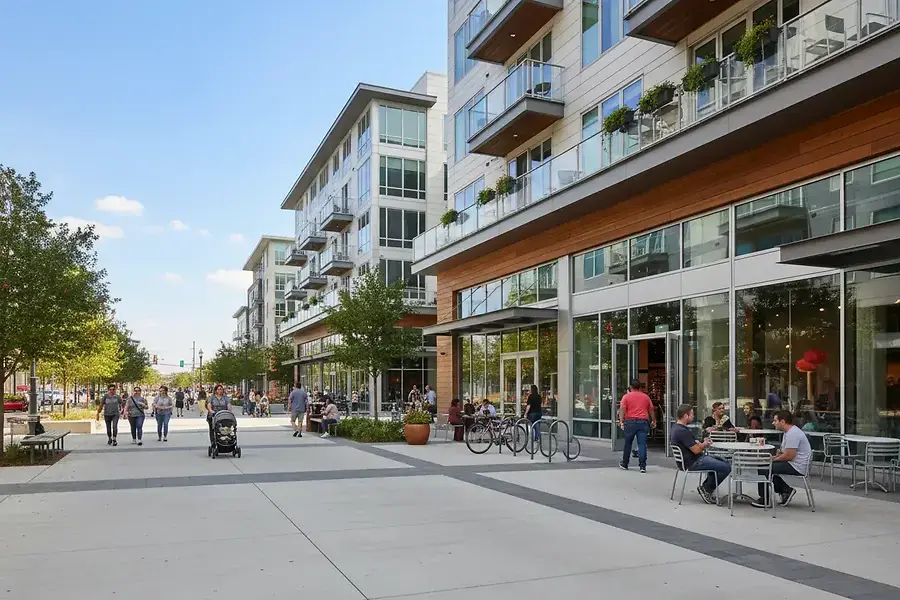
The Rise of Residential-Commercial Properties in the Houston Metropolitan Area
The Greater Houston metropolitan area is experiencing a significant transformation in how communities are developed and how real estate professionals approach investment opportunities. Residential-commercial hybrid properties have emerged as one of the most dynamic segments of the market, combining the stability of residential income with the growth potential of commercial ventures. This evolution reflects changing consumer preferences, demographic shifts, and the region's continued economic expansion.
Mixed-use developments are no longer niche projects—they represent a fundamental shift in urban planning and real estate strategy. These properties integrate apartments, condominiums, and townhomes with retail spaces, offices, restaurants, and entertainment venues under one roof or within a cohesive development. For real estate professionals, this trend presents unprecedented opportunities to serve clients seeking diversified income streams and long-term appreciation potential.
The Houston market's growth trajectory has made it an ideal testing ground for these innovative property types. With a population that continues to expand and a business-friendly environment attracting companies from across the nation, the demand for mixed-use spaces has never been stronger.
Strategic Locations for Mixed-Use Development: From Katy's Retail Corridors to Sugar Land's Expanding Hubs
Katy's Emerging Mixed-Use Landscape
Katy has positioned itself as a premier destination for mixed-use development, particularly along its established retail corridors. The city's strategic location west of Houston, combined with excellent highway access and a growing population, makes it an attractive hub for developers. Key areas include:
- The Katy Mills area, where retail anchors are being complemented by residential components
- Downtown Katy's revitalization efforts, featuring walkable mixed-use spaces
- Emerging developments along the Grand Parkway corridor
These locations benefit from established consumer bases and strong foot traffic, making them ideal for properties that combine shopping, dining, and residential living.
Sugar Land's Expansion and Development Opportunities
Sugar Land represents one of the fastest-growing suburban markets in the Houston region, and its mixed-use development strategy reflects this momentum. The city's master-planned communities are increasingly incorporating residential-commercial hybrids that cater to both residents and visitors.
Notable developments include:
- Mixed-use projects near the Sugar Land Town Center
- Residential towers with ground-floor retail and office space
- Entertainment districts combining dining, shopping, and apartments
Sugar Land's commitment to creating vibrant, walkable communities has made it a magnet for developers and investors seeking properties with strong appreciation potential and consistent tenant demand.
Spring's Growing Appeal
Spring, located north of Houston, is rapidly emerging as a secondary hub for mixed-use development. The area's affordability compared to more established suburbs, combined with improving infrastructure and amenities, has attracted significant investment. New mixed-use projects in Spring are capitalizing on the area's demographic diversity and growing commercial activity.
Market Advantages and Tenant Demand in High-Growth Suburbs: Why Investors Are Choosing Cypress, Spring, and The Woodlands
Demographic Tailwinds and Population Growth
The suburbs surrounding Houston are experiencing robust population growth, driven by families and young professionals seeking affordable housing, quality schools, and convenient access to employment centers. This demographic expansion directly translates to strong tenant demand for both residential and commercial components of mixed-use properties.
Key demographic advantages include:
- Younger average age compared to national averages
- Higher household income levels
- Growing workforce participation
- Increasing preference for walkable, mixed-use communities
Commercial Viability and Retail Strength
Mixed-use properties in these high-growth suburbs benefit from strong commercial fundamentals. Retail tenants are actively seeking locations in areas with high population density and consumer spending power. Office space demand remains robust as companies establish satellite locations and regional headquarters in suburban markets.
The combination of residential foot traffic and commercial activity creates a virtuous cycle—residents support local businesses, while commercial tenants attract additional residents seeking convenient access to services and entertainment.
Investment Returns and Appreciation Potential
Real estate professionals are increasingly recommending mixed-use properties to clients seeking superior returns. These properties typically command premium valuations due to their diversified income streams and lower vacancy risk. When residential occupancy dips, commercial tenants provide stability, and vice versa.
"Mixed-use properties offer investors the best of both worlds: the steady, predictable income of residential rentals combined with the growth potential and higher yields of commercial real estate."
The appreciation potential in these high-growth suburbs is particularly compelling. As infrastructure improves, amenities expand, and populations increase, property values tend to appreciate significantly over time.
Operational Efficiency and Tenant Retention
From an operational perspective, mixed-use properties offer efficiencies that single-use properties cannot match. Shared parking, common area maintenance, and integrated property management reduce per-unit operating costs. Additionally, the convenience factor of mixed-use developments leads to higher tenant retention rates, as residents appreciate having shopping, dining, and services within walking distance.
Positioning Your Clients for Success in Houston's Evolving Real Estate Landscape
For real estate professionals serving the Greater Houston market, mixed-use properties represent a compelling opportunity to differentiate their services and provide clients with access to high-performing assets. Success in this segment requires understanding the unique dynamics of each market, recognizing emerging opportunities, and positioning clients to capitalize on the region's continued growth.
Strategic recommendations for real estate professionals include:
- Developing expertise in mixed-use property valuation and analysis
- Building relationships with developers and property managers specializing in these assets
- Educating clients about the benefits of diversified income streams
- Monitoring demographic and economic trends in high-growth suburbs
- Identifying emerging mixed-use opportunities before they become mainstream
The residential-commercial hybrid property segment in Greater Houston is not a temporary trend—it represents the future of suburban development. By understanding these market dynamics and positioning clients accordingly, real estate professionals can build thriving practices while helping investors achieve their financial goals.
As Houston continues to grow and evolve, the suburbs of Katy, Sugar Land, Spring, Cypress, and The Woodlands will remain at the forefront of this transformation. Mixed-use properties will continue to attract investors, tenants, and residents seeking the unique benefits these developments provide. The time to position your clients in this dynamic market segment is now.


