Residential-Commercial Properties: Annapolis's Best Investment Strategy
How residential-commercial properties are transforming Annapolis neighborhoods and creating wealth for savvy investors.

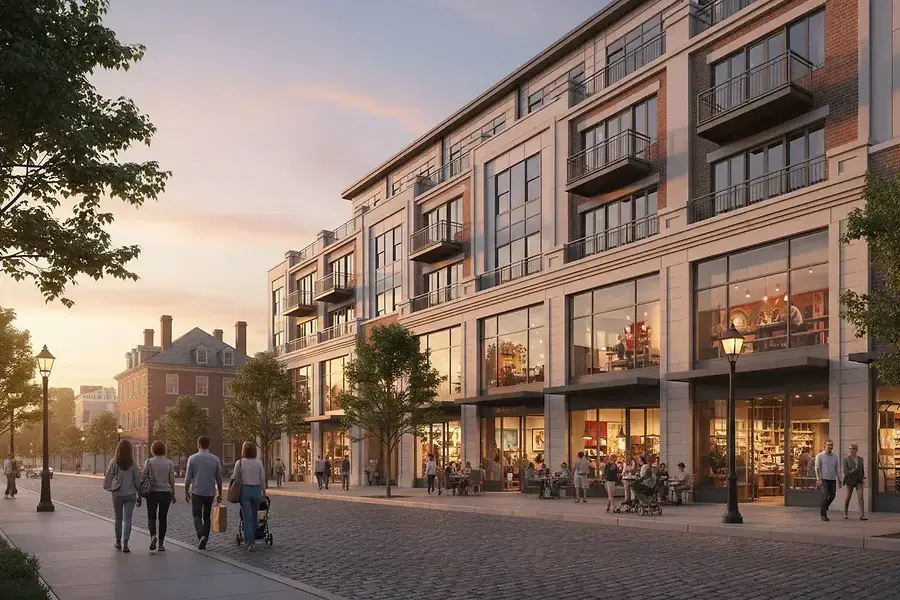
The Rise of Mixed-Use Properties in Annapolis
Annapolis is experiencing a transformative shift in its real estate landscape. The traditional single-use property model—where buildings serve either residential or commercial purposes—is giving way to a more dynamic approach: mixed-use residential-commercial properties. These innovative developments combine living spaces with retail, office, or service-oriented businesses under one roof, creating vibrant communities that appeal to modern investors and residents alike.
This trend reflects broader changes in how people want to live and work. The rise of remote work, the desire for walkable neighborhoods, and the need for efficient land use have all contributed to the growing popularity of mixed-use developments. In Annapolis, this shift represents an unprecedented opportunity for investors willing to embrace this evolving market.
Why Residential-Commercial Properties Outperform Single-Use Investments
Diversified Income Streams
The most compelling advantage of mixed-use properties is their ability to generate multiple revenue streams simultaneously. While a traditional apartment building relies solely on residential rent, a residential-commercial property can earn income from:
- Residential units on upper floors
- Ground-floor retail or office spaces
- Service-based businesses like restaurants or salons
- Parking facilities and ancillary services
This diversification reduces risk. If one sector experiences a downturn, other revenue sources help maintain overall profitability.
Higher Property Values and Appreciation
Mixed-use properties typically command premium prices compared to single-use buildings. The added functionality and flexibility make them more attractive to a broader range of buyers and tenants. This increased demand drives higher property valuations and stronger appreciation potential over time.
Tenant Stability and Retention
Properties that serve multiple purposes create self-sustaining ecosystems. Residents enjoy convenient access to shops, services, and dining options without leaving the building. This convenience factor leads to higher tenant satisfaction and longer lease terms, reducing vacancy rates and turnover costs.
Adaptive Reuse Opportunities
Annapolis has numerous historic and aging commercial buildings that are perfect candidates for mixed-use conversion. Investors who identify these opportunities can acquire properties at reasonable prices and transform them into high-value mixed-use developments, capturing significant equity gains in the process.
Top Neighborhoods for Mixed-Use Development in Annapolis
Historic Downtown Annapolis
The heart of Annapolis remains the most sought-after location for mixed-use development. With its proximity to the waterfront, government offices, and tourist attractions, downtown properties attract both residential tenants and commercial businesses. The area's walkability and established infrastructure make it ideal for investors seeking stable, long-term returns.
West Annapolis Corridor
This emerging neighborhood is experiencing rapid growth and revitalization. Lower acquisition costs compared to downtown, combined with strong development momentum, make the West Annapolis Corridor attractive for investors seeking growth potential. The area is increasingly popular with young professionals and families seeking more affordable options.
Eastport and Spa Road
Located near major employment centers and transportation corridors, Eastport and Spa Road offer excellent mixed-use potential. The neighborhood's accessibility and growing population make it an ideal location for properties that serve both residential and commercial needs.
Parole and Nearby Corridors
As Annapolis expands outward, areas like Parole are becoming increasingly valuable for mixed-use development. These neighborhoods offer room for growth while maintaining reasonable property costs, making them perfect for investors with a longer investment timeline.
Getting Started: A Guide to Evaluating Mixed-Use Real Estate Opportunities
Assess Market Demand
Before investing, thoroughly research local market conditions. Ask yourself: Are there more renters than available units? What commercial businesses are thriving in the area? What demographic trends suggest future demand? Understanding these factors helps you identify neighborhoods with genuine growth potential.
Analyze the Property's Mixed-Use Potential
Not every property is suitable for mixed-use conversion. Evaluate:
- Zoning regulations and permitted uses
- Building layout and structural integrity
- Parking availability and traffic patterns
- Proximity to complementary businesses and services
- Renovation costs and timeline
Calculate Financial Projections
Develop detailed financial models that account for both residential and commercial income. Consider:
- Expected rental rates for residential and commercial spaces
- Realistic vacancy rates for each property type
- Operating expenses, maintenance, and property management costs
- Financing options and interest rates
- Tax implications and depreciation benefits
Conservative projections are essential—it's better to underestimate returns and be pleasantly surprised than to overestimate and face financial challenges.
Evaluate Location and Accessibility
Location remains paramount in real estate investing. Prioritize properties in walkable neighborhoods with good public transportation access, nearby amenities, and strong employment centers. These factors directly influence both residential demand and commercial viability.
Consider Regulatory and Zoning Issues
Mixed-use development often requires navigating complex zoning regulations. Work with local real estate attorneys and zoning specialists to understand:
- Current zoning classifications and permitted uses
- Potential for zoning variances or changes
- Building code requirements for mixed-use properties
- Parking requirements and other municipal regulations
Partner with Experienced Professionals
Success in mixed-use real estate requires expertise across multiple disciplines. Build a team including:
- Real estate agents specializing in commercial and residential properties
- Property managers experienced with mixed-use buildings
- Architects and contractors familiar with adaptive reuse
- Accountants and tax specialists
- Real estate attorneys
These professionals help you navigate complexities and avoid costly mistakes.
Conclusion
Residential-commercial properties represent a compelling investment opportunity in Annapolis. By combining residential and commercial uses, these properties generate diversified income streams, command premium valuations, and create vibrant communities that attract quality tenants. Whether you're targeting historic downtown properties or emerging neighborhoods, the key to success lies in thorough market research, careful financial analysis, and strategic partnerships with experienced professionals.
The future of Annapolis real estate belongs to investors who recognize the value of mixed-use development. Now is the time to explore this transformative investment strategy and position yourself for long-term wealth creation.


