Residential-Commercial Properties: DFW's Fastest Growing Investment Opportunity
How residential-commercial properties are reshaping neighborhoods from Fort Worth to Grapevine.

The Rise of Mixed-Use Properties in DFW
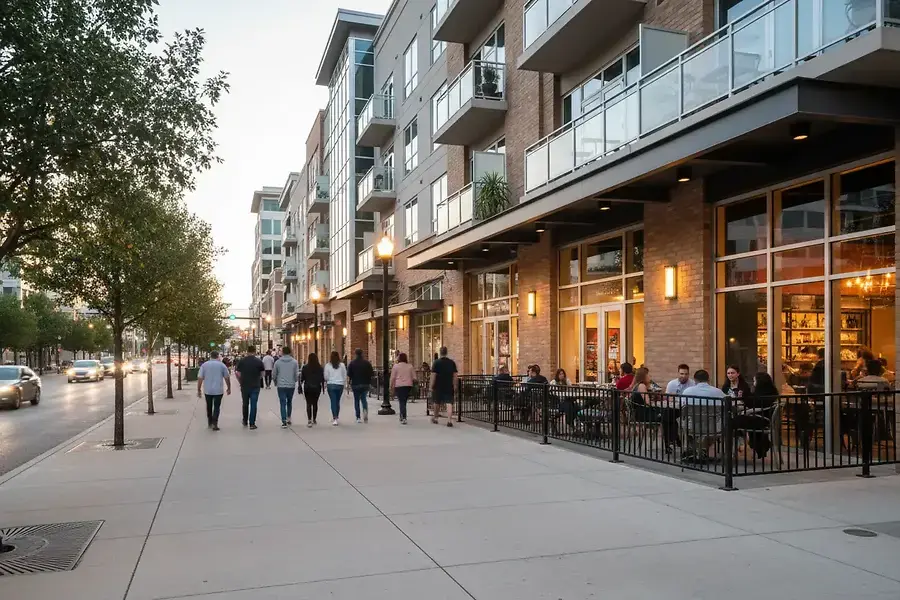
The Dallas-Fort Worth metroplex is experiencing a transformative shift in real estate investment. Residential-commercial hybrid properties are no longer a niche market—they've become the fastest-growing investment segment in the region. From bustling Fort Worth neighborhoods to the expanding suburbs of Grapevine, developers and investors are recognizing the immense potential of mixed-use properties that seamlessly blend living spaces with commercial ventures.
This evolution reflects broader economic trends and changing consumer preferences. As remote work becomes increasingly common and urban dwellers seek more integrated communities, the demand for properties that combine residential comfort with commercial convenience has skyrocketed. The DFW region, with its diverse economy and growing population, is perfectly positioned to lead this real estate revolution.
Understanding Residential-Commercial Hybrid Properties and Their Benefits
What Are Mixed-Use Properties?
Residential-commercial properties are developments that integrate living spaces with retail, office, or service-oriented businesses under one roof or within a unified complex. These might include:
- Apartments above ground-floor retail shops
- Office spaces with residential lofts
- Mixed-use developments with restaurants, boutiques, and residential units
- Live-work spaces designed for entrepreneurs and professionals
Key Benefits for Investors
Diversified Income Streams: Unlike traditional single-use properties, mixed-use developments generate revenue from multiple sources. Residential tenants provide stable, long-term income while commercial spaces offer potentially higher returns and shorter lease cycles.
Higher Occupancy Rates: Mixed-use properties typically maintain higher occupancy rates because they appeal to a broader tenant base. When one sector experiences a downturn, the other often compensates, creating a natural hedge against market volatility.
Increased Property Value: The synergy between residential and commercial components often results in higher overall property valuations. Residents benefit from convenient access to services, while businesses gain from a built-in customer base.
Community Appeal: These properties create vibrant, walkable neighborhoods that attract young professionals, families, and entrepreneurs. This community-centric approach enhances long-term property appreciation and tenant retention.
Challenges to Consider
While opportunities abound, investors should understand the complexities. Mixed-use properties require sophisticated management, navigating multiple zoning regulations, and balancing the needs of diverse tenant types. However, experienced developers in the DFW region have proven these challenges are entirely manageable with proper planning and execution.
Top Mixed-Use Markets Across Fort Worth, Irving, Burleson, Weatherford, and Grapevine
Fort Worth: The Urban Pioneer
Fort Worth stands at the forefront of DFW's mixed-use revolution. The Stockyards District and Downtown Fort Worth have seen explosive growth in residential-commercial developments. These areas combine historic charm with modern amenities, attracting investors seeking properties with strong appreciation potential and established tenant bases.
Irving: The Corporate Hub
Irving's strategic location near major corporate headquarters makes it ideal for mixed-use developments targeting business professionals. Properties in the Las Colinas area and near the Irving Convention Center offer excellent opportunities for investors seeking stable commercial tenancy paired with residential components.
Burleson: The Emerging Frontier
Burleson represents one of DFW's most undervalued opportunities. As the city experiences rapid population growth, early investors in mixed-use properties are positioning themselves for significant long-term gains. The combination of affordable land costs and increasing demand creates a compelling investment thesis.
Weatherford: The Small-Town Appeal
Weatherford's charming downtown district is experiencing a renaissance. Mixed-use properties that preserve the town's character while introducing modern amenities are attracting both residents and businesses. This market offers investors the chance to participate in community revitalization while building wealth.
Grapevine: The Premium Market
Grapevine's affluent demographics and strong tourism industry make it an attractive market for upscale mixed-use developments. Properties near Grapevine Mills Mall and the historic downtown area command premium prices and attract high-quality tenants seeking both residential and commercial opportunities.
Conclusion: Positioning Yourself in DFW's Fastest-Growing Market Segment
The residential-commercial property market in the Dallas-Fort Worth region represents a unique convergence of favorable economic conditions, demographic trends, and investor demand. The time to act is now.
Whether you're an experienced real estate investor or exploring your first major property investment, mixed-use developments offer compelling opportunities for wealth creation. The key to success lies in:
- Understanding local market dynamics in your target DFW community
- Partnering with experienced developers and property managers
- Conducting thorough due diligence on zoning and regulatory requirements
- Focusing on properties in high-growth corridors with strong demographic fundamentals
As the DFW metroplex continues its remarkable expansion, residential-commercial properties will increasingly define the region's real estate landscape. Investors who recognize this trend and act strategically today will be well-positioned to benefit from the substantial appreciation and income potential these properties offer tomorrow.
The future of DFW real estate is mixed-use. The question isn't whether to invest in this segment—it's when and where you'll make your move.


