Residential-Commercial Properties: Georgetown's Next Investment Opportunity
Discover how mixed-use properties are transforming Georgetown into a profitable market for real estate investors seeking dual-income potential.

The Growth of Mixed-Use Real Estate in Georgetown
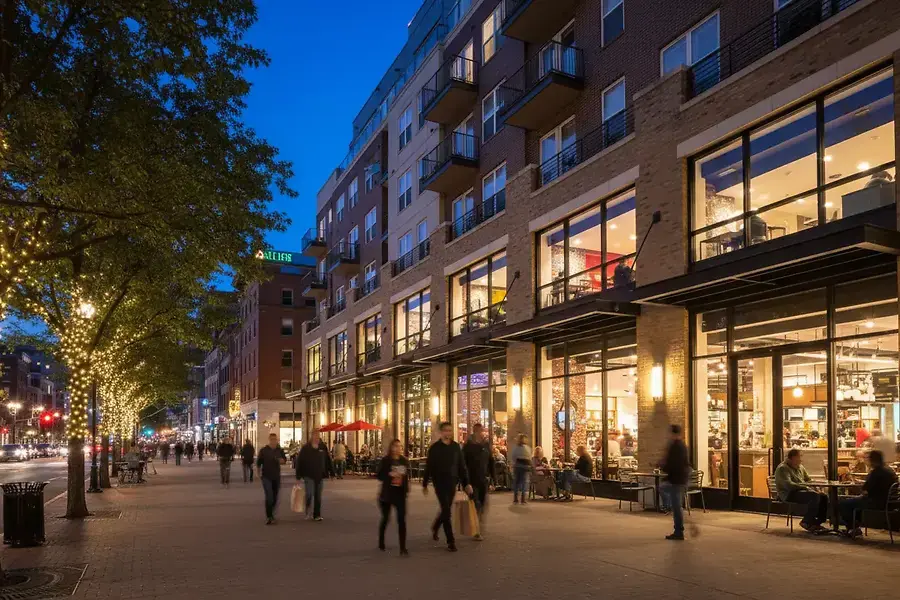
Georgetown has emerged as one of the most dynamic real estate markets in the region, with mixed-use properties leading the charge. These innovative developments combine residential units with commercial spaces, creating vibrant communities where people can live, work, and shop without leaving their neighborhood. The trend reflects a fundamental shift in how modern investors approach real estate—moving away from single-purpose properties toward versatile, income-generating assets.
The appeal is clear: mixed-use properties offer multiple revenue streams that traditional residential or commercial buildings simply cannot match. As Georgetown continues to attract young professionals, families, and entrepreneurs, the demand for these hybrid spaces has skyrocketed, making them an increasingly attractive investment vehicle for savvy real estate professionals.
Benefits of Residential-Commercial Properties for Investors and Owners
Diversified Income Streams
One of the most compelling advantages of residential-commercial properties is the ability to generate income from multiple sources. Investors can collect rent from residential tenants on upper floors while simultaneously leasing ground-level retail or office space to businesses. This diversification reduces risk—if one sector experiences a downturn, the other can help stabilize overall returns.
Increased Property Value and Appreciation
Mixed-use properties typically appreciate faster than single-purpose buildings because they serve broader market demands. The versatility and functionality of these spaces make them more attractive to a wider range of buyers and tenants, driving up property values over time. Georgetown's booming economy has accelerated this appreciation trend, making early investors particularly well-positioned for substantial long-term gains.
Tax Advantages and Operational Efficiency
Owners of mixed-use properties can benefit from various tax deductions related to both residential and commercial operations. Additionally, managing a single property with multiple revenue sources is often more efficient than maintaining separate buildings across different locations. Utilities, maintenance, and property management costs can be optimized, improving overall profitability.
Community Appeal and Tenant Retention
Mixed-use developments create vibrant, walkable neighborhoods that attract quality tenants. Residents appreciate the convenience of having shops, restaurants, and services nearby, leading to higher tenant satisfaction and retention rates. This stability translates to more predictable cash flow for investors.
- Residential tenants benefit from convenient access to amenities
- Commercial tenants gain foot traffic from residential populations
- Property owners enjoy reduced vacancy rates and increased demand
Georgetown's Best Neighborhoods for Mixed-Use Development
The Waterfront District
Georgetown's waterfront has undergone remarkable transformation, becoming a prime location for mixed-use development. The combination of scenic views, walkability, and proximity to entertainment venues makes it highly attractive to both residential and commercial tenants. Properties in this area command premium prices and generate strong rental income.
The Historic Core
The historic heart of Georgetown offers unique opportunities for adaptive reuse projects. Converting historic buildings into mixed-use spaces preserves architectural character while meeting modern market demands. These properties often qualify for historic preservation tax credits, providing additional financial incentives for investors.
Emerging Neighborhoods
Several up-and-coming neighborhoods in Georgetown are experiencing rapid development and gentrification. Early investors in these areas can capitalize on rising property values before the neighborhoods reach full maturity. These emerging zones offer lower entry prices with significant appreciation potential, making them ideal for growth-focused investors.
Transit-Oriented Zones
Properties near public transportation hubs are particularly valuable for mixed-use development. Easy access to transit reduces residents' dependence on personal vehicles and attracts businesses seeking high-traffic locations. These transit-oriented properties consistently outperform other mixed-use investments in terms of occupancy rates and rental income.
Making Your Move in Georgetown's Hybrid Market
The Georgetown mixed-use real estate market presents a compelling opportunity for investors ready to embrace the future of urban development. The combination of strong demand, multiple income streams, and appreciation potential creates an ideal environment for building wealth through real estate.
Success in this market requires careful due diligence. Investors should thoroughly analyze neighborhood trends, tenant demographics, and local zoning regulations before committing capital. Working with experienced real estate professionals who understand Georgetown's unique market dynamics is essential.
The properties that will generate the strongest returns are those located in high-demand neighborhoods with solid fundamentals: good walkability, strong employment centers, quality schools, and active community development. Properties that successfully balance residential comfort with commercial viability will continue to attract premium tenants and command higher valuations.
The future of Georgetown real estate is hybrid. Mixed-use properties aren't just a trend—they represent the evolution of how communities are built and how investors generate returns in the modern economy.
Whether you're a seasoned investor looking to diversify your portfolio or a newcomer seeking to enter the Georgetown market, residential-commercial properties offer a pathway to sustainable, multi-faceted income generation. The time to act is now, as the best opportunities in emerging neighborhoods and established districts continue to attract investor interest and command premium valuations.


