Residential-Commercial Properties: Seattle & Burien Market Guide
Learn how to identify and invest in mixed-use properties that generate dual income streams in the greater Seattle area.

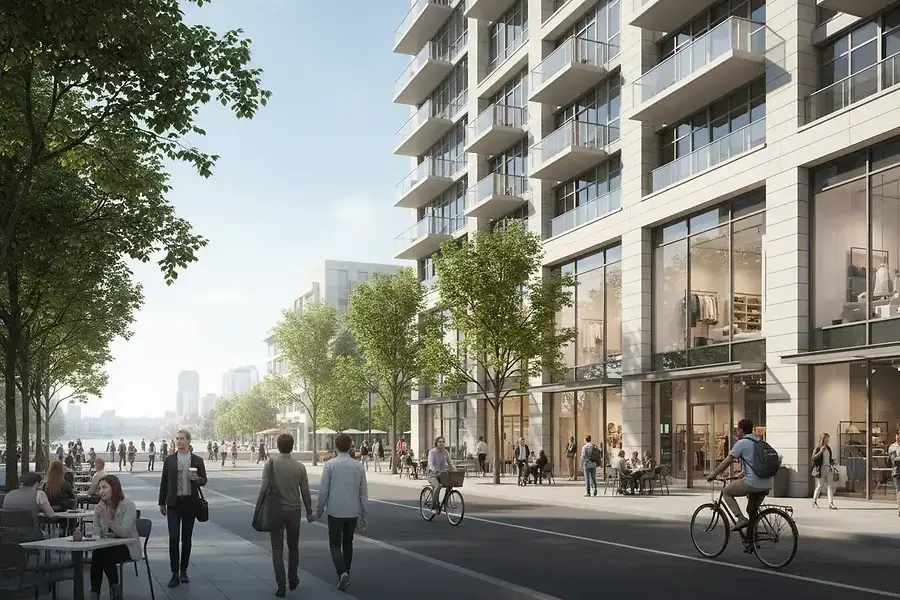
Introduction: The Rise of Residential-Commercial Properties in Greater Seattle
The greater Seattle area has experienced a remarkable transformation in its real estate landscape, with residential-commercial properties emerging as one of the most attractive investment opportunities for savvy investors. These mixed-use properties combine living spaces with commercial operations, creating a unique investment vehicle that generates multiple income streams from a single asset.
The appeal is straightforward: instead of relying on a single tenant or income source, mixed-use properties allow investors to diversify their revenue while capitalizing on the region's booming economy. Whether you're a seasoned real estate investor or exploring your first commercial venture, understanding this market segment is essential for building long-term wealth.
Market Opportunities: Why Seattle and Burien Attract Mixed-Use Investors
Strong Economic Growth and Population Expansion
Seattle and Burien have become economic powerhouses in the Pacific Northwest. The region's tech industry dominance, coupled with a growing population, creates sustained demand for both residential and commercial spaces. This dual demand makes mixed-use properties particularly valuable, as they can serve multiple market segments simultaneously.
The influx of young professionals and families seeking urban convenience has driven property values upward, while also increasing the demand for ground-floor retail and service-based businesses. This creates an ideal environment for mixed-use developments.
Zoning Flexibility and Development Potential
Both Seattle and Burien have increasingly favorable zoning regulations that encourage mixed-use development. Local governments recognize the benefits of these properties in creating vibrant, walkable communities. This regulatory support translates to:
- Easier approval processes for mixed-use projects
- Tax incentives for developers and investors
- Increased property values due to development potential
- Greater flexibility in property modifications and improvements
Diverse Tenant Base and Income Stability
Mixed-use properties attract a diverse range of tenants—from small business owners to residential renters. This diversity provides natural hedge against market volatility. If commercial tenants face challenges, residential income remains stable, and vice versa. This stability makes mixed-use properties less risky than single-use investments.
Practical Guide: How to Evaluate Residential-Commercial Properties for ROI
Analyze the Residential Component
Begin by evaluating the residential units as you would any apartment building or rental property:
- Unit Mix: Assess the number of bedrooms, bathrooms, and overall square footage
- Rental Rates: Research comparable properties to understand market-rate potential
- Occupancy History: Review historical occupancy rates and tenant turnover
- Condition: Inspect the structural integrity and maintenance requirements
Calculate the potential residential income by multiplying the number of units by the average monthly rent, then subtract vacancy rates and operating expenses.
Evaluate the Commercial Space
The commercial component requires equally thorough analysis:
- Tenant Quality: Assess the creditworthiness and business stability of current tenants
- Lease Terms: Review lease lengths, renewal options, and rent escalation clauses
- Location Visibility: Evaluate foot traffic, parking availability, and accessibility
- Flexibility: Consider how easily the space can be adapted for different business types
Commercial tenants typically provide higher per-square-foot revenue than residential units, but they also require more active management and carry greater vacancy risk.
Calculate Combined ROI and Cap Rate
To properly evaluate a mixed-use property, combine both income streams:
Total Annual Income = (Residential Rent × 12) + (Commercial Rent × 12) - Vacancy Allowance
Then subtract all operating expenses including property taxes, insurance, maintenance, utilities, and property management fees. The resulting net operating income (NOI) divided by the purchase price gives you the cap rate—a critical metric for comparing investment opportunities.
Assess Location and Market Trends
Location is paramount in mixed-use real estate. Consider:
- Proximity to public transportation and major employment centers
- Neighborhood demographic trends and income levels
- Future development plans and infrastructure improvements
- Competition from other mixed-use properties in the area
- Local business growth and commercial demand indicators
Properties in high-growth neighborhoods with strong fundamentals command premium prices and attract quality tenants.
Review Financing and Tax Implications
Mixed-use properties often qualify for favorable financing terms since they're viewed as lower-risk investments. Additionally, you may benefit from:
- Depreciation deductions on both residential and commercial components
- Opportunity Zone benefits if applicable
- Cost segregation strategies to accelerate deductions
- 1031 exchange opportunities for tax-deferred growth
Consult with a tax professional to maximize these advantages.
Conclusion: Positioning Yourself for Success in the Mixed-Use Real Estate Market
Residential-commercial properties in Seattle and Burien represent a compelling investment opportunity for those willing to conduct thorough due diligence. The combination of strong economic fundamentals, favorable regulatory environment, and dual income streams creates a powerful formula for wealth building.
Success in this market requires understanding both residential and commercial real estate principles. Take time to analyze properties comprehensively, comparing cap rates and ROI across multiple opportunities. Don't rush into deals—the best investments are those where you've thoroughly evaluated every component.
By following this practical guide and staying informed about market trends, you can identify high-quality mixed-use properties that deliver consistent returns and long-term appreciation. The greater Seattle area's continued growth suggests that now is an excellent time to explore these opportunities and position yourself for success in the mixed-use real estate market.


