Residential-Commercial Properties: Smart Investment Strategies for Twin Cities Investors
Discover how mixed-use properties in Coon Rapids, Saint Paul, and Minneapolis offer unique wealth-building opportunities.

Understanding Mixed-Use Properties: What Residential-Commercial Real Estate Means for Investors
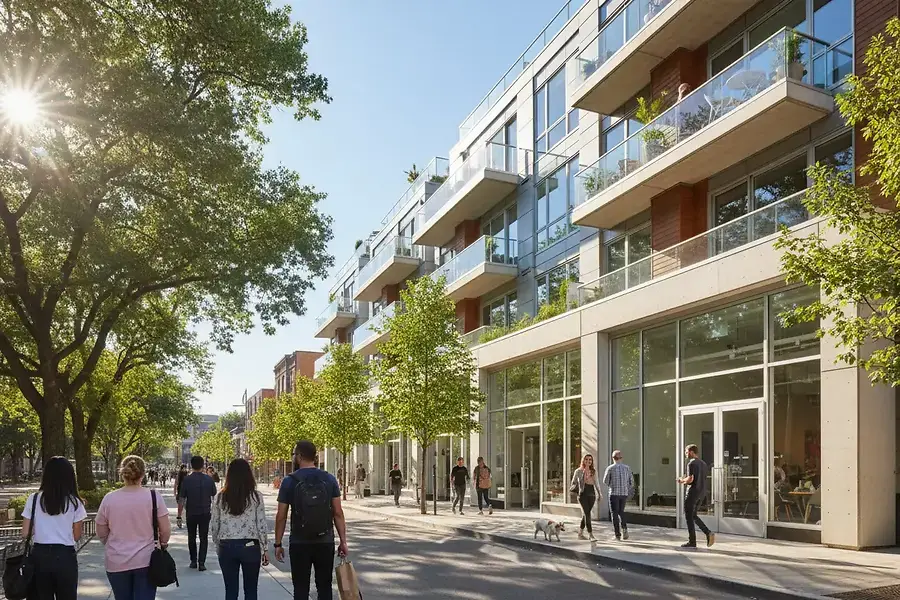
Mixed-use properties represent a compelling investment opportunity that combines residential and commercial spaces within a single development. These properties typically feature apartments or condominiums above retail shops, offices, or service-based businesses on the ground floor. For investors seeking diversified income streams and long-term wealth accumulation, residential-commercial properties offer a unique advantage.
The Dual Revenue Model
The primary appeal of mixed-use properties lies in their ability to generate income from multiple sources. Unlike traditional single-use real estate investments, these properties allow investors to collect rent from both residential tenants and commercial businesses. This diversification reduces risk and creates more stable cash flow patterns, even during economic fluctuations.
Key benefits include:
- Multiple revenue streams from residential and commercial tenants
- Reduced vacancy risk through tenant diversification
- Higher overall property values compared to single-use buildings
- Increased property appreciation potential
- Tax advantages through cost segregation strategies
Why Investors Are Choosing Mixed-Use Properties
Modern investors recognize that mixed-use properties align with evolving urban development trends. Communities increasingly value walkable neighborhoods where residents can live, work, and shop in proximity. This shift in consumer preferences makes mixed-use developments more attractive to both tenants and buyers, enhancing long-term investment viability.
Market Trends: Why the Twin Cities Are Attracting Mixed-Use Development
The Twin Cities metropolitan area has emerged as a hotbed for mixed-use real estate development. Minneapolis, Saint Paul, and surrounding communities like Coon Rapids are experiencing significant growth in demand for integrated residential-commercial spaces.
Urban Revitalization and Growth
Both Minneapolis and Saint Paul have invested heavily in downtown revitalization projects that emphasize mixed-use development. These initiatives have transformed previously underutilized areas into vibrant neighborhoods where residents and businesses thrive together. The success of these projects has attracted investor attention and capital to the region.
Population Growth and Demographic Shifts
The Twin Cities continue to attract young professionals, families, and entrepreneurs seeking quality of life and economic opportunity. This population growth drives demand for housing and commercial space, making mixed-use properties particularly valuable. Younger demographics especially prefer walkable communities with integrated living and working spaces.
Strong Economic Fundamentals
The region boasts a diverse economy with strong employment opportunities across healthcare, technology, retail, and professional services sectors. This economic stability attracts businesses seeking commercial space and professionals seeking residential options, creating ideal conditions for mixed-use property success.
Investment Potential Across Coon Rapids, Saint Paul, and Minneapolis Markets
Minneapolis: The Urban Core
Minneapolis represents the largest market opportunity for mixed-use investments. The city's downtown and surrounding neighborhoods have seen substantial mixed-use development, with strong appreciation potential. Properties in areas like Northeast Minneapolis and along the Mississippi River corridor offer excellent investment prospects with established tenant demand and community support.
Investment considerations: Higher acquisition costs but strong appreciation potential and established tenant markets.
Saint Paul: The Emerging Opportunity
Saint Paul offers compelling opportunities for investors seeking properties with lower entry costs than Minneapolis while maintaining strong growth potential. The city's downtown revitalization efforts and neighborhood development projects create excellent conditions for mixed-use investments. Properties in areas like the West Side and Downtown Saint Paul present particularly attractive opportunities.
Investment considerations: More affordable entry points with significant upside potential as the market continues developing.
Coon Rapids: The Suburban Alternative
Coon Rapids provides investors with suburban mixed-use opportunities that appeal to families and businesses seeking alternatives to dense urban environments. The city's strategic location and growing commercial base make it attractive for investors targeting suburban markets with lower competition and solid fundamentals.
Investment considerations: Lower property costs with steady appreciation and strong rental demand from suburban tenants.
Getting Started: How to Identify and Evaluate Residential-Commercial Properties in Your Area
Conduct Thorough Market Research
Before investing, understand your target market's demographics, economic trends, and development plans. Research population growth rates, employment opportunities, and planned infrastructure improvements. This foundational knowledge helps identify areas with strong growth potential and sustainable demand for mixed-use properties.
Evaluate Property-Specific Factors
Location and Accessibility: Properties in walkable neighborhoods with good public transportation access command premium rents and attract quality tenants.
Tenant Mix and Quality: Evaluate existing tenants' creditworthiness, lease terms, and business viability. Strong, established tenants reduce vacancy risk and provide stable income.
Physical Condition: Assess the building's structural integrity, systems, and deferred maintenance. Factor renovation costs into your investment analysis.
Financial Performance: Analyze current income, expenses, and cash flow. Compare these metrics against market benchmarks to identify undervalued properties with improvement potential.
Calculate Key Investment Metrics
Use standard real estate metrics to evaluate opportunities objectively. Calculate cap rates, cash-on-cash returns, and projected appreciation. Compare these figures across multiple properties to identify the best opportunities for your investment goals and risk tolerance.
Work with Local Experts
Partner with real estate agents, property managers, and accountants who specialize in mixed-use properties in your target market. Their local expertise and market knowledge prove invaluable in identifying opportunities, negotiating deals, and managing properties effectively.
Consider Long-Term Management
Mixed-use properties require active management to maintain tenant satisfaction and maximize returns. Decide whether you'll self-manage or hire professional property management. Factor management costs into your financial projections to ensure realistic return expectations.
Conclusion
Residential-commercial properties in the Twin Cities offer sophisticated investors compelling wealth-building opportunities. By understanding mixed-use property fundamentals, recognizing market trends, and evaluating opportunities systematically, investors can identify properties that generate strong returns while contributing to vibrant communities. Whether targeting Minneapolis's urban core, Saint Paul's emerging neighborhoods, or Coon Rapids's suburban markets, mixed-use investments provide diversified income streams and long-term appreciation potential for disciplined investors.


