Residential-Commercial Properties: Smart Investments for Midwest Investors
Discover how residential-commercial hybrid properties are reshaping real estate investment strategies in Illinois and Missouri communities.

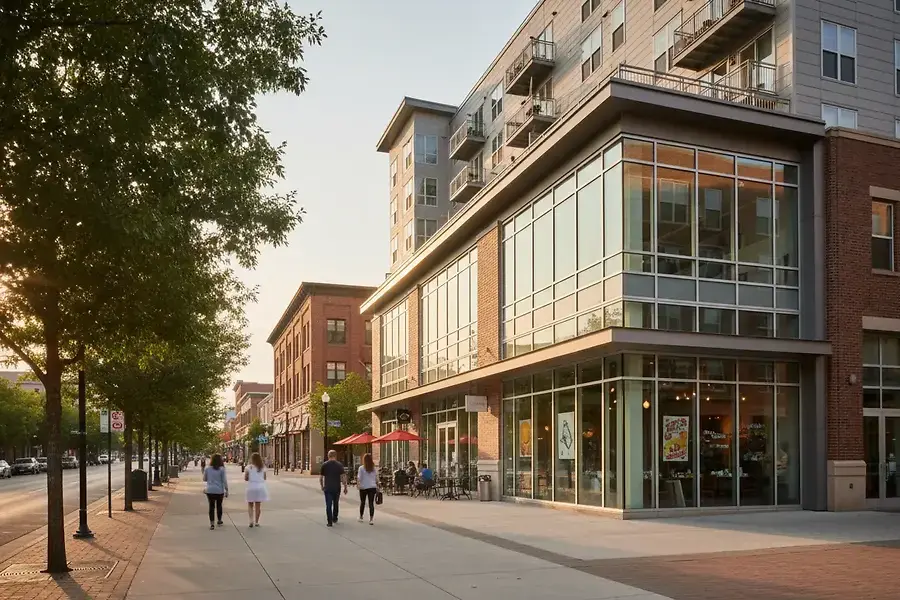
Understanding Mixed-Use Real Estate: What Buyers and Investors Need to Know
Mixed-use properties represent a unique investment opportunity that combines residential and commercial spaces under one roof or within a single development. These properties typically feature apartments or condominiums above retail shops, offices, or service-based businesses on the ground floor. For investors seeking diversified income streams, this hybrid model offers compelling advantages.
What Makes Mixed-Use Properties Different
Unlike traditional single-use real estate investments, mixed-use properties generate revenue from multiple sources. A typical mixed-use building might include three residential units on upper floors and two commercial storefronts below. This diversification reduces risk and provides stability during market fluctuations. When one sector underperforms, the other can compensate, creating a more resilient investment portfolio.
The appeal extends beyond financial metrics. Mixed-use properties contribute to vibrant, walkable communities where residents can live, work, and shop in the same neighborhood. This creates strong tenant retention rates and attracts quality tenants who value convenience and community.
Key Benefits for Investors
- Multiple Revenue Streams: Residential rents combined with commercial lease income create robust cash flow
- Lower Vacancy Risk: If commercial space sits empty, residential units continue generating income
- Property Appreciation: Mixed-use developments in revitalized neighborhoods often appreciate faster than single-use properties
- Tax Advantages: Investors can leverage depreciation benefits across both residential and commercial components
- Community Impact: These properties often qualify for tax incentives and grants in development zones
Market Trends in the Midwest: Why Residential-Commercial Properties Are Gaining Momentum
The Midwest real estate market is experiencing a significant shift toward mixed-use development. Illinois and Missouri, in particular, are seeing unprecedented growth in this sector as urban planners and investors recognize the value of integrated communities.
The Midwest Advantage
Compared to coastal markets, Midwest properties offer exceptional value for money. Investors can acquire mixed-use buildings at lower price points while commanding competitive rental rates. This favorable cost-to-income ratio makes the Midwest increasingly attractive to both local and national investors.
Illinois communities are experiencing revitalization through mixed-use development, particularly in secondary markets surrounding major metropolitan areas. Missouri's affordable real estate combined with strong population growth creates ideal conditions for residential-commercial investments. Young professionals and families are relocating to these regions, seeking affordable housing without sacrificing urban amenities.
Economic Drivers
Several factors are propelling mixed-use property growth in the Midwest:
- Remote Work Evolution: As flexible work arrangements become standard, professionals seek communities with local services and amenities
- Walkability Demand: Younger demographics increasingly prefer neighborhoods where they can walk to restaurants, shops, and services
- Urban Revitalization: Midwest cities are investing in downtown renewal, making mixed-use properties prime candidates for appreciation
- Affordable Entry Points: Lower acquisition costs allow investors to build substantial portfolios
- Strong Fundamentals: Stable employment and population growth support consistent tenant demand
"Mixed-use properties represent the future of real estate investment in the Midwest. They address the market's demand for integrated communities while providing investors with diversified, stable income streams."
Finding the Right Mixed-Use Investment: Location and Financial Considerations
Success in mixed-use real estate requires careful analysis of location, market conditions, and financial fundamentals. Not every property or neighborhood is suitable for this investment strategy.
Location Evaluation
The most successful mixed-use properties are located in areas experiencing population growth and economic development. Look for neighborhoods with:
- Proximity to employment centers and transportation hubs
- Existing or planned infrastructure improvements
- Diverse demographic profiles with strong household incomes
- Limited competing mixed-use developments
- Active local business communities and entrepreneurial activity
In Illinois, properties near transit corridors and revitalized downtown areas command premium rents. Missouri investors should focus on communities with strong job growth and population influx, particularly around technology and healthcare sectors.
Financial Analysis Framework
Before committing capital, conduct thorough financial due diligence. Calculate the cap rate by dividing net operating income by property value. For mixed-use properties, aim for cap rates between 5-7% depending on market conditions and property quality.
Analyze rental rates separately for residential and commercial components. Research comparable properties to ensure competitive pricing. Factor in higher maintenance costs for mixed-use buildings, as they typically require more sophisticated systems and professional management.
Risk Management Strategies
Diversify tenant types to minimize risk. Avoid concentrating too heavily on a single commercial tenant. Ensure commercial leases include adequate rent escalation clauses to keep pace with inflation. Maintain healthy cash reserves for unexpected repairs, as mixed-use properties often have more complex mechanical systems than single-use buildings.
Consider property management carefully. Mixed-use buildings require experienced managers who understand both residential and commercial operations. Professional management may cost more but protects your investment and maximizes returns.
Conclusion: Positioning Yourself in the Evolving Mixed-Use Market
Residential-commercial properties represent a compelling investment opportunity for Midwest investors seeking stable, diversified returns. The combination of affordable acquisition costs, strong market fundamentals, and growing demand for integrated communities creates an ideal environment for mixed-use real estate success.
Illinois and Missouri offer particular advantages for investors entering this market. Lower competition, favorable pricing, and strong economic growth provide opportunities to build substantial portfolios before these markets become saturated.
Success requires thorough market research, careful property selection, and professional management. Investors who understand the unique dynamics of mixed-use properties and commit to rigorous financial analysis will be well-positioned to capitalize on this growing trend. The future of Midwest real estate belongs to those who recognize that communities thrive when people can live, work, and shop in the same vibrant neighborhoods.
Whether you're an experienced investor or exploring real estate for the first time, mixed-use properties deserve serious consideration. They offer the stability of residential real estate combined with the growth potential of commercial investments—a powerful combination for building long-term wealth in the Midwest.


