Residential-Commercial Properties: The Hybrid Investment Opportunity
Discover how mixed-use properties in the Greater Houston area offer investors and owner-occupants the best of both worlds.

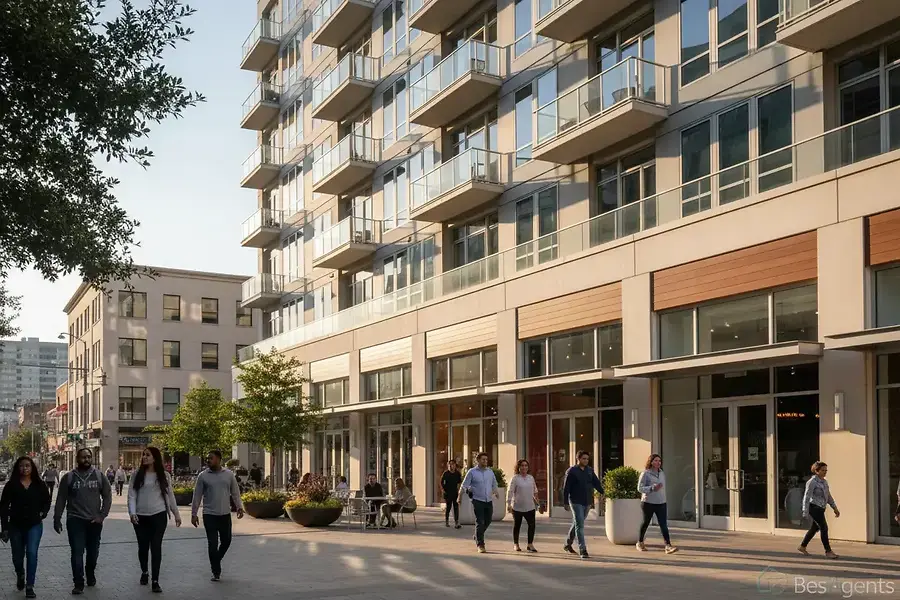
The Rise of Hybrid Real Estate Investments
The real estate market is evolving, and savvy investors are taking notice. Residential-commercial hybrid properties represent one of the most dynamic investment opportunities available today. These mixed-use properties combine living spaces with commercial operations under one roof, creating a unique investment model that appeals to both traditional investors and owner-occupants seeking diversified income streams.
The appeal is straightforward: why settle for a single-purpose property when you can maximize your investment potential? Whether you're a first-time investor or an experienced portfolio manager, hybrid properties offer flexibility, resilience, and the opportunity to build wealth through multiple revenue channels.
Understanding Residential-Commercial Properties: Types and Benefits
What Are Residential-Commercial Properties?
Residential-commercial properties are buildings that serve dual purposes. Common configurations include:
- Apartment buildings with ground-floor retail or office spaces
- Single-family homes with home-based businesses or rental units
- Townhouses with commercial storefronts
- Mixed-use developments combining condos, offices, and retail
- Properties with accessory dwelling units (ADUs) and commercial space
Key Benefits for Investors
Multiple Income Streams: The most obvious advantage is generating revenue from both residential and commercial tenants. This diversification reduces your dependence on a single income source and provides greater financial stability.
Tax Advantages: Hybrid properties often qualify for enhanced depreciation benefits and deductions. You can deduct expenses for both residential and commercial operations, potentially lowering your overall tax burden.
Flexibility and Control: Owner-occupants can live in the residential portion while operating a business or renting commercial space. This arrangement allows you to maintain hands-on management and build equity faster.
Higher Appreciation Potential: Mixed-use properties in growing areas tend to appreciate more rapidly than single-purpose buildings, as they attract a broader range of buyers and investors.
Resilience: If one market segment softens, the other may remain strong. Commercial tenants might weather residential downturns, and vice versa.
Why Greater Houston Markets Excel for Hybrid Properties
A Growing Metropolitan Hub
Greater Houston has emerged as one of America's most dynamic real estate markets. With a population exceeding 7 million people and consistent economic growth, the region offers exceptional opportunities for hybrid property investments.
Market Characteristics That Favor Hybrid Properties
Diverse Neighborhoods: Houston's varied neighborhoods—from trendy Montrose to family-friendly Pearland—each support different types of mixed-use developments. This diversity means opportunities exist across multiple price points and investment strategies.
Strong Rental Demand: The region attracts young professionals, families, and entrepreneurs, creating robust demand for both residential and commercial spaces. This consistent demand supports healthy occupancy rates and rental growth.
Business-Friendly Environment: Texas's lack of state income tax and Houston's pro-business policies attract entrepreneurs and corporations alike. This economic vitality translates to strong commercial leasing demand.
Affordable Entry Points: Compared to coastal markets, Greater Houston offers more accessible entry prices for hybrid properties, allowing investors to acquire quality assets without excessive leverage.
Infrastructure Development: Ongoing investments in transportation, utilities, and public amenities continue to enhance property values and attract both residents and businesses.
Real-World Success Stories
Investors throughout Greater Houston have successfully leveraged hybrid properties to build substantial wealth. From owner-occupants running consulting firms in their ground-floor offices while renting apartments above, to investors managing multi-unit complexes with retail tenants, the model works across various scales and configurations.
Getting Started: Steps to Finding Your Ideal Residential-Commercial Property
Step 1: Define Your Investment Goals
Before searching, clarify your objectives. Are you seeking owner-occupancy with supplemental income? Building a passive investment portfolio? Planning to develop or renovate? Your goals will shape every subsequent decision.
Step 2: Understand Financing Options
Hybrid properties may qualify for different financing than single-purpose buildings. Explore options including:
- Commercial mortgages with residential components
- FHA loans for owner-occupied mixed-use properties
- Portfolio loans from local lenders
- SBA loans for owner-occupants operating businesses
Work with a lender experienced in mixed-use properties to understand your options and maximize favorable terms.
Step 3: Partner With Knowledgeable Professionals
Success requires expertise. Assemble a team including:
- A real estate agent specializing in commercial and mixed-use properties
- A commercial real estate attorney
- An accountant familiar with hybrid property tax implications
- An inspector experienced with both residential and commercial systems
Step 4: Analyze the Numbers Thoroughly
Evaluate potential properties using rigorous financial analysis. Calculate cap rates, cash-on-cash returns, and break-even points. Project vacancy rates conservatively and account for maintenance costs for both residential and commercial systems. Never rely on optimistic assumptions—conservative projections protect your investment.
Step 5: Evaluate Location and Market Dynamics
Location remains paramount. Research neighborhood trends, demographic shifts, and economic indicators. Consider proximity to employment centers, transportation hubs, and amenities. Properties in emerging neighborhoods often offer better appreciation potential than established areas.
Step 6: Inspect Thoroughly
Hybrid properties require comprehensive inspections covering both residential and commercial systems. Ensure HVAC, electrical, plumbing, and structural elements meet code requirements for both uses. Identify deferred maintenance that could impact profitability.
Step 7: Understand Zoning and Regulations
Verify that the property's current use complies with local zoning ordinances. Confirm that your intended use is permitted. Some jurisdictions have specific requirements for mixed-use properties, so understanding local regulations prevents costly surprises.
Conclusion: Your Path to Hybrid Property Success
Residential-commercial hybrid properties represent a compelling investment opportunity, particularly in dynamic markets like Greater Houston. By combining residential income stability with commercial revenue potential, these properties offer a balanced approach to real estate wealth-building.
The key to success lies in thorough preparation, realistic financial analysis, and professional guidance. Start by clarifying your goals, assembling the right team, and conducting meticulous due diligence. With these foundations in place, you'll be well-positioned to identify and acquire hybrid properties that generate substantial returns while providing the flexibility and control that make real estate investing rewarding.
The hybrid property market awaits—are you ready to explore this exceptional opportunity?


