Residential-Commercial Properties: Your Gateway to Dual Income Streams
A comprehensive guide to investing in mixed-use properties that generate multiple income streams in Florida's Gulf Coast markets.

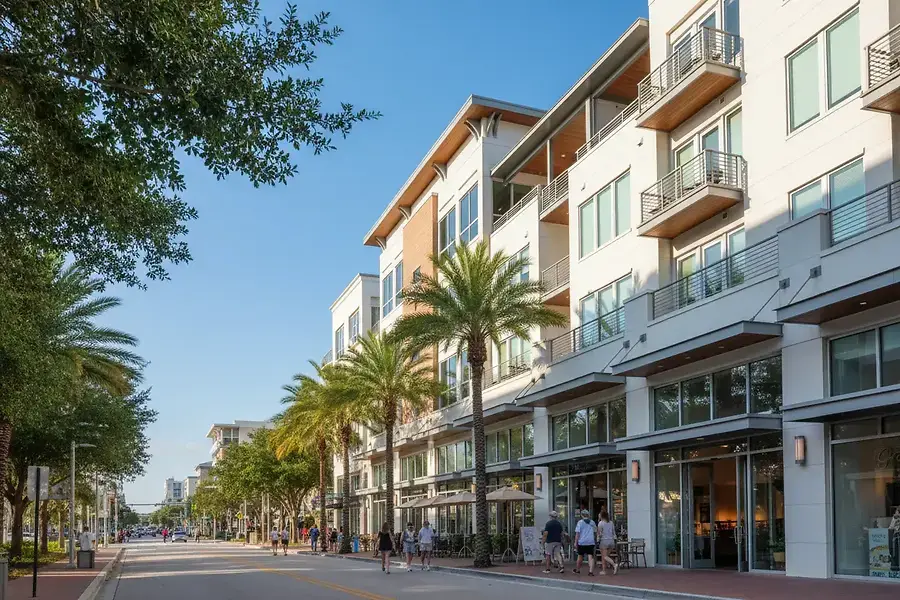
Understanding Residential-Commercial Properties: Benefits and Market Demand
Mixed-use residential-commercial properties represent one of the most dynamic investment opportunities in modern real estate. These hybrid properties combine living spaces with commercial operations, creating a powerful synergy that generates multiple income streams from a single asset.
What Are Residential-Commercial Properties?
Residential-commercial properties are buildings or complexes that house both residential units and commercial spaces. Common configurations include:
- Apartments above retail storefronts
- Office spaces with residential lofts
- Mixed-use developments with shops, restaurants, and condominiums
- Properties with rental apartments and ground-floor businesses
The Financial Advantages
Diversified Income Streams: Unlike single-use properties, mixed-use investments generate revenue from multiple sources. Residential tenants provide stable monthly rent, while commercial tenants often sign longer leases at premium rates. This diversification reduces vacancy risk and stabilizes cash flow.
Higher Capitalization Rates: Mixed-use properties typically command higher cap rates than traditional residential or commercial properties alone. The combination of income sources makes these investments more attractive to buyers, increasing property values over time.
Tax Benefits: Investors can leverage depreciation deductions on both residential and commercial components, maximizing tax advantages. Additionally, business expenses related to the commercial portion can offset residential income.
Market Demand in Today's Economy
The demand for mixed-use properties continues to surge as consumers increasingly seek walkable, vibrant communities. Urban professionals want to live near their workplaces, while business owners desire proximity to residential customers. This convergence creates exceptional opportunities for savvy investors who understand market dynamics.
Sarasota and Venice: Ideal Markets for Mixed-Use Real Estate Investments
Florida's Gulf Coast, particularly Sarasota and Venice, has emerged as a premier destination for mixed-use real estate investments. These markets offer unique advantages that make them ideal for building a hybrid portfolio.
Why Sarasota Stands Out
Sarasota combines cultural sophistication with strong economic fundamentals. The city attracts affluent retirees, young professionals, and entrepreneurs seeking a high-quality lifestyle. Key advantages include:
- Strong population growth and demographic diversity
- Thriving arts and cultural scene attracting visitors and residents
- Robust commercial real estate market with growing demand for office and retail space
- Premium residential market supporting higher rental rates
- Strategic location between Tampa and Fort Myers
The downtown Sarasota revitalization has particularly transformed the market, creating walkable neighborhoods where mixed-use properties thrive. Commercial tenants benefit from foot traffic, while residential tenants enjoy urban convenience.
Venice's Emerging Opportunities
Venice represents an emerging market with significant growth potential. Often overshadowed by larger coastal cities, Venice offers investors the advantage of entering a market before peak appreciation. The city features:
- Affordable entry prices compared to Sarasota
- Growing tourism and seasonal visitor economy
- Expanding residential population seeking beach-town living
- Developing commercial corridors with increasing business activity
- Strong community identity and local support for development
Strategic Insight: Venice investors who act now position themselves to capture appreciation as the market matures, while Sarasota offers immediate cash flow from established demand.
Practical Strategies for Identifying and Evaluating Dual-Use Properties
Location Analysis
Location determines success in mixed-use real estate. Evaluate properties based on:
- Foot Traffic Patterns: High-traffic areas support commercial tenants and attract quality residential renters
- Neighborhood Trajectory: Identify emerging neighborhoods with infrastructure improvements and business growth
- Proximity to Amenities: Properties near restaurants, entertainment, and services command premium rents
- Transportation Access: Walkability and public transit access increase property appeal
Financial Evaluation Framework
When analyzing potential investments, use this comprehensive approach:
Calculate Combined Cash Flow: Project income from both residential and commercial components separately, then combine for total cash flow analysis. Account for different lease terms and vacancy rates for each component.
Assess Tenant Quality: Evaluate the creditworthiness and stability of existing tenants. Long-term commercial leases with established businesses provide more security than short-term residential tenants.
Analyze Operating Expenses: Mixed-use properties often have higher maintenance costs due to diverse systems. Budget for HVAC, plumbing, electrical, and structural maintenance across multiple property types.
Due Diligence Checklist
- Verify zoning compliance for both residential and commercial uses
- Review lease agreements and tenant payment history
- Inspect building systems and identify deferred maintenance
- Analyze comparable property sales and rental rates
- Evaluate local market trends and economic indicators
- Consult with property management specialists familiar with mixed-use operations
- Review insurance requirements for dual-use properties
Financing Considerations
Lenders view mixed-use properties differently than single-use assets. Prepare comprehensive financial documentation showing income from both components. Many traditional lenders prefer properties with strong residential components, as they're more familiar with residential lending standards.
Consider working with commercial lenders who understand mixed-use dynamics. These specialists can structure loans that reflect the unique income characteristics of your property.
Conclusion: Building Your Hybrid Real Estate Portfolio
Residential-commercial properties offer a compelling investment thesis for building wealth through real estate. By combining stable residential income with premium commercial revenue, investors create resilient portfolios that weather market cycles.
Sarasota and Venice present exceptional opportunities for investors ready to capitalize on Florida's Gulf Coast growth. The key to success lies in thorough market analysis, careful property selection, and understanding the unique operational requirements of mixed-use assets.
The most successful real estate investors recognize that diversification within a single property is as important as diversification across multiple properties. Mixed-use real estate represents the ultimate expression of this principle.
Whether you're an experienced investor seeking to expand your portfolio or a newcomer exploring real estate opportunities, mixed-use properties deserve serious consideration. Start by identifying markets with strong fundamentals, then systematically evaluate properties using the frameworks outlined above. Your gateway to dual income streams awaits.


