Residential-Commercial Property Investing Across the East Bay
Discover how dual-use properties are transforming investment portfolios across Brentwood, Hayward, Castro Valley, Daly City, Livermore, San Jose, and Pleasanton.

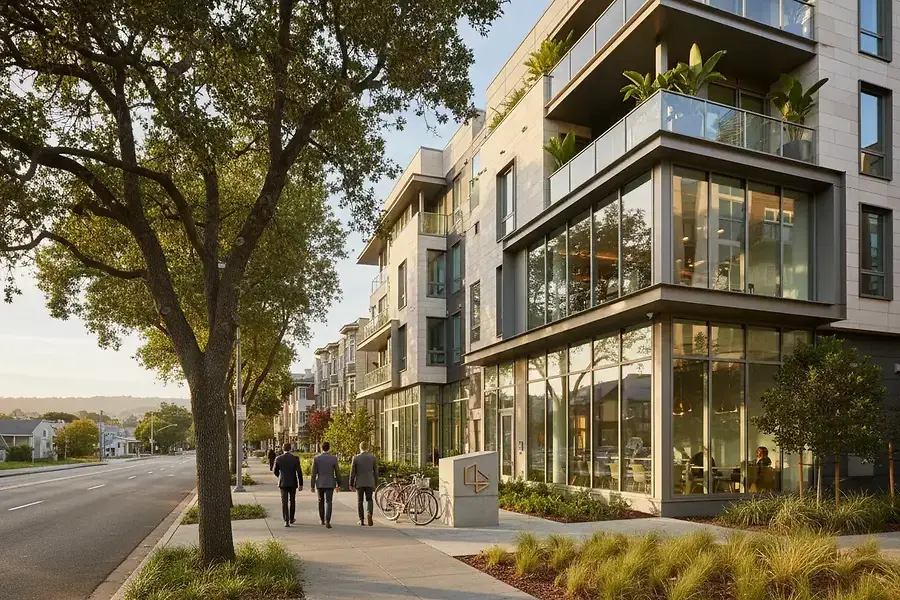
The Rise of Hybrid Real Estate Investments in the East Bay
The East Bay real estate market is experiencing a significant shift toward residential-commercial hybrid properties—a strategic investment approach that combines the stability of residential income with the profit potential of commercial ventures. These dual-use properties are attracting savvy investors seeking diversification and enhanced returns without managing multiple separate investments.
The appeal is straightforward: a single property generates revenue from both residential tenants and commercial operations, whether that's a ground-floor retail space with apartments above, a home office setup with rental potential, or a mixed-use development. This hybrid model provides investors with multiple income streams, reduced vacancy risk, and greater resilience during market fluctuations.
Understanding Residential-Commercial Properties and Their Investment Potential
What Are Residential-Commercial Properties?
Residential-commercial properties are mixed-use real estate assets that serve both purposes simultaneously. Common configurations include:
- Apartment buildings with ground-floor retail or office space
- Single-family homes with detached commercial structures
- Converted warehouses featuring residential lofts and commercial studios
- Properties with accessory dwelling units (ADUs) and home-based businesses
Why Investors Love This Model
Diversified Income Streams: Rather than relying on a single tenant or revenue source, you collect rent from residential units and commercial leases simultaneously. This diversification significantly reduces your risk exposure.
Higher Capitalization Rates: Mixed-use properties typically command higher cap rates than purely residential or commercial properties, translating to better returns on your investment capital.
Increased Property Value: The dual-income potential makes these properties more attractive to future buyers, supporting long-term appreciation and equity growth.
Tax Advantages: You can leverage depreciation deductions on both residential and commercial components, potentially reducing your taxable income significantly.
Top East Bay Locations for Dual-Purpose Property Opportunities
San Jose
As the East Bay's largest market, San Jose offers exceptional opportunities for residential-commercial investments. The city's robust tech economy drives demand for both commercial office space and quality housing. Properties near downtown corridors and transit hubs command premium prices and attract quality tenants.
Hayward
Hayward's strategic location along the I-880 corridor makes it ideal for mixed-use developments. The city has invested heavily in downtown revitalization, creating opportunities for investors seeking properties with strong appreciation potential and reliable tenant bases.
Pleasanton
Known for its affluent demographics and strong commercial presence, Pleasanton attracts businesses and residents alike. Dual-use properties here benefit from high-income tenants and stable commercial demand, particularly in professional services and retail sectors.
Castro Valley, Brentwood, Daly City, and Livermore
These emerging markets offer exceptional value propositions for investors. Lower entry prices compared to San Jose and Pleasanton, combined with growing population and commercial development, create opportunities for significant appreciation. These areas are particularly attractive for investors seeking to maximize cash-on-cash returns while building long-term equity.
Getting Started: Key Steps to Finding and Financing Your Hybrid Investment
Step 1: Define Your Investment Strategy
Before searching for properties, clarify your investment goals. Are you seeking immediate cash flow or long-term appreciation? What's your target property type and location? Understanding these parameters will guide your search and help you evaluate opportunities effectively.
Step 2: Analyze Market Fundamentals
Research each target market thoroughly. Examine:
- Population growth trends and demographic shifts
- Commercial vacancy rates and rental demand
- Residential market conditions and price appreciation
- Local zoning regulations and development plans
- Transportation infrastructure and accessibility
Step 3: Evaluate Property-Specific Metrics
When analyzing potential properties, calculate key metrics including cap rate, cash-on-cash return, and debt service coverage ratio. Compare the combined residential and commercial income against the property's purchase price and operating expenses. Don't overlook the importance of tenant quality, lease terms, and remaining lease duration.
Step 4: Secure Appropriate Financing
Financing mixed-use properties differs from traditional residential mortgages. Work with lenders experienced in commercial real estate, as they better understand the unique income dynamics of hybrid properties. You may encounter:
- Commercial loans with different terms and rates than residential mortgages
- Portfolio loans that consider the combined income streams
- SBA loans for small business components
- Bridge financing for value-add opportunities
Prepare comprehensive financial documentation, including detailed rent rolls, lease agreements, and expense projections for both residential and commercial components.
Step 5: Conduct Thorough Due Diligence
Engage qualified professionals to inspect the property, review all leases, verify tenant creditworthiness, and assess compliance with zoning regulations. This step is critical—a property that appears attractive on paper may have hidden issues that impact profitability.
Conclusion: Maximizing Returns with Mixed-Use Properties
Residential-commercial properties represent a compelling investment opportunity across the East Bay. By combining the stability of residential income with the growth potential of commercial ventures, investors can build more resilient, profitable portfolios.
Whether you're targeting established markets like San Jose and Pleasanton or seeking value in emerging areas like Brentwood and Livermore, the fundamentals remain consistent: thorough market research, careful property analysis, and strategic financing are essential to success.
The East Bay's diverse markets, strong economic fundamentals, and growing population create an ideal environment for hybrid property investments. Start by defining your investment strategy, researching target markets, and connecting with experienced professionals who understand mixed-use real estate. With the right approach, residential-commercial properties can become cornerstone assets in a diversified, high-performing investment portfolio.


