Residential Investment Opportunities Across Upstate SC Communities
Discover which neighborhoods in Greenville, Mauldin, Simpsonville, Taylors, Greer, and Easley offer the best returns for residential property investors.

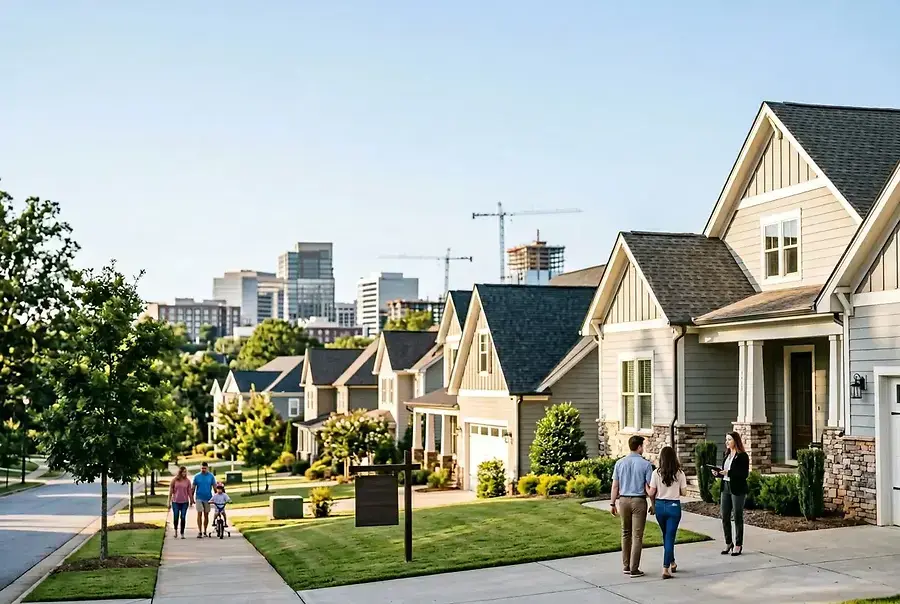
Understanding Residential Investment Opportunities in Upstate SC
Upstate South Carolina has emerged as one of the most dynamic real estate markets in the Southeast, attracting investors from across the nation. The region's combination of economic growth, population expansion, and affordable property prices compared to neighboring states creates a compelling investment landscape. Communities like Greenville, Mauldin, Simpsonville, Taylors, Greer, and Easley are experiencing unprecedented development and revitalization.
The Upstate SC market offers distinct advantages for residential investors. Population growth continues to outpace the national average, driven by corporate relocations, remote work opportunities, and the region's quality of life. This influx of new residents creates sustained demand for rental properties and ensures long-term appreciation potential.
Why Upstate SC Stands Out
Several factors make Upstate South Carolina particularly attractive for residential real estate investment:
- Economic Diversification: The region hosts major employers across healthcare, manufacturing, technology, and professional services sectors
- Affordability: Property prices remain significantly lower than comparable markets in North Carolina and Georgia
- Infrastructure Development: Ongoing improvements to highways, public transit, and utilities support continued growth
- Quality Schools: Highly-rated school districts attract families and increase rental demand
- Lifestyle Appeal: Proximity to outdoor recreation, cultural amenities, and urban conveniences appeals to diverse demographics
Market Performance and Growth Trends Across Key Communities
Greenville: The Regional Hub
Greenville serves as the economic and cultural center of Upstate SC, making it the flagship market for investors. The downtown revitalization has transformed the city into a vibrant destination with mixed-use developments, restaurants, and entertainment venues. Property appreciation in established neighborhoods averages 4-6% annually, with newer developments showing even stronger growth trajectories.
The city's diverse economy, anchored by healthcare institutions and tech companies, ensures stable employment and consistent rental demand. Neighborhoods like Southernwood and Overbrook offer excellent investment potential with strong tenant bases.
Mauldin and Simpsonville: Suburban Growth Corridors
These adjacent communities represent the suburban expansion of the Upstate market. Both towns offer newer construction, family-friendly amenities, and lower price points than Greenville proper. Rental yields in these communities often exceed 5-6%, making them attractive for income-focused investors.
Mauldin's proximity to major employers and Simpsonville's excellent school system drive consistent population growth. These communities appeal to young families and professionals seeking suburban living with urban accessibility.
Taylors and Greer: Emerging Opportunities
Taylors and Greer represent the next frontier of Upstate growth. These communities are experiencing rapid commercial and residential development, with property prices still below Greenville and Mauldin levels. Early investors in these markets can capture appreciation before prices normalize, potentially achieving 6-8% annual appreciation.
Both communities benefit from strategic location along major corridors and ongoing infrastructure improvements. The combination of lower entry prices and strong growth potential makes them ideal for value-focused investors.
Easley: The Value Play
Easley offers the most affordable entry point for Upstate SC investors while maintaining solid fundamentals. The town's revitalization efforts, improved downtown corridor, and growing employment base support residential demand. Investors can acquire properties at lower price points while positioning for long-term appreciation as the community continues its development trajectory.
Evaluating Rental Demand and Appreciation Potential
Understanding Rental Market Dynamics
Rental demand across Upstate SC communities remains robust, driven by several factors:
- Young professionals relocating for employment opportunities
- Corporate housing needs for transferred employees
- Graduate students attending Clemson University and other regional institutions
- Families seeking flexibility before purchasing homes
- Retirees downsizing from larger properties
Each community attracts different tenant demographics, influencing property types and rental rates. Greenville attracts urban professionals, while Mauldin and Simpsonville appeal to families. Understanding your target market is essential for maximizing rental income.
Appreciation Potential Assessment
Long-term appreciation in Upstate SC communities is supported by fundamental economic growth, not speculation. The region's diversified economy, population growth, and infrastructure investments create sustainable appreciation drivers.
Established neighborhoods in Greenville show steady 3-5% annual appreciation, while emerging communities like Taylors and Greer offer higher appreciation potential as they develop. Investors should balance current cash flow with future appreciation when selecting properties.
Key Metrics for Investment Evaluation
When evaluating specific properties and neighborhoods, consider these important metrics:
- Cap Rate: Current rental income relative to property price
- Price-to-Rent Ratio: Indicates whether buying or renting is more economical
- Days on Market: Reflects demand and market liquidity
- Vacancy Rates: Lower vacancy indicates strong rental demand
- Population Growth Rate: Supports long-term appreciation and rental demand
- Employment Growth: Ensures tenant income stability and demand sustainability
Making Your Investment Decision in the Upstate SC Market
Defining Your Investment Strategy
Before committing capital, clearly define your investment objectives. Are you seeking current cash flow, long-term appreciation, or a balanced approach? Your strategy should align with your financial goals, risk tolerance, and available capital.
Cash flow investors should focus on Mauldin, Simpsonville, and Easley, where rental yields support immediate returns. Appreciation-focused investors might prioritize Taylors, Greer, and emerging Greenville neighborhoods. Balanced investors can find opportunities across all communities by carefully selecting individual properties.
Due Diligence and Market Research
Thorough research is essential before making investment decisions. Analyze neighborhood trends, employment data, school ratings, and development plans. Connect with local real estate professionals, property managers, and other investors to gain market insights. Visit neighborhoods at different times to assess community character and tenant demographics.
Review historical price trends, rental rates, and market absorption rates. Understanding how each community has performed historically provides context for future expectations.
Building Your Investment Portfolio
Consider diversifying across multiple communities to balance risk and opportunity. A portfolio combining established Greenville properties with emerging market opportunities in Taylors and Greer provides both stability and growth potential.
Partner with experienced local property managers who understand community dynamics and can optimize rental operations. Professional management ensures consistent cash flow and property maintenance, protecting your investment.
The Path Forward
Upstate South Carolina's residential real estate market presents compelling opportunities for investors at all experience levels. Whether you're seeking immediate cash flow or long-term appreciation, communities across the region offer viable pathways to investment success.
The key is conducting thorough research, defining clear investment objectives, and selecting properties that align with your strategy. With careful planning and local market knowledge, Upstate SC investors can build wealth while contributing to the region's continued growth and development.