Residential Investment Opportunities Across Wake County's Suburban Communities
Discover why smart investors are targeting emerging neighborhoods from Wilson to Fuquay Varina for strong returns and sustainable growth.

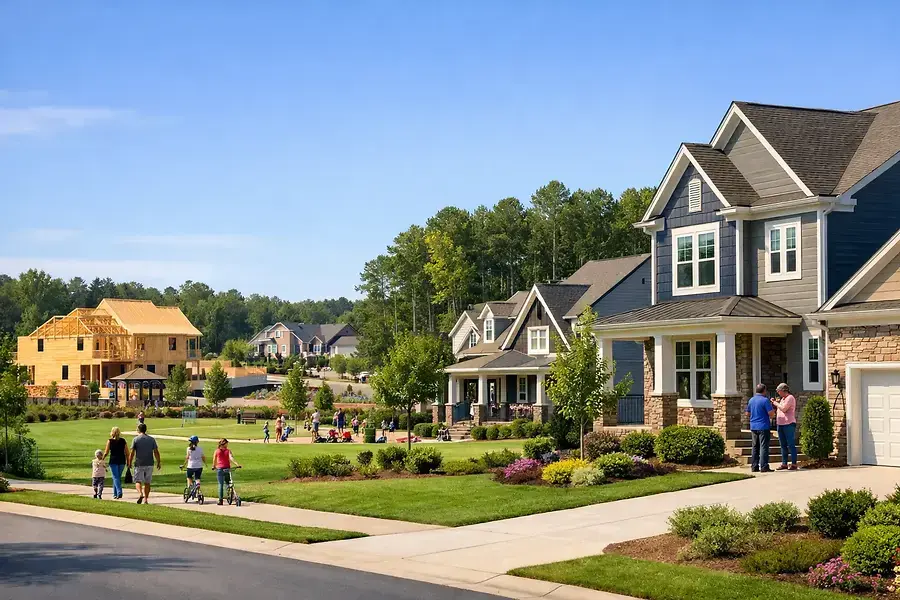
The Residential Investment Landscape Across Wake County's Diverse Markets
Wake County has transformed into one of North Carolina's most dynamic real estate markets, attracting investors seeking both stability and growth potential. The region's diverse suburban communities offer unique opportunities that extend far beyond the traditional Raleigh core, creating a landscape where savvy investors can identify undervalued properties and emerging neighborhoods poised for appreciation.
The investment landscape in Wake County is characterized by rapid population growth, strong employment centers, and improving infrastructure. Unlike saturated urban markets, suburban Wake County communities offer the perfect balance of accessibility, affordability, and long-term growth potential. Whether you're a seasoned investor or exploring your first residential property, understanding this market's nuances is essential for success.
Market Fundamentals Driving Investment Interest
Several key factors make Wake County's suburban markets attractive to residential investors:
- Population Growth: Wake County consistently ranks among the fastest-growing counties in the Southeast, with families and young professionals relocating for employment and quality of life.
- Employment Diversity: Major employers across technology, healthcare, and manufacturing sectors provide stable tenant bases and economic resilience.
- Infrastructure Development: Ongoing improvements to roads, schools, and public services enhance neighborhood appeal and property values.
- Affordability Relative to Demand: Suburban communities offer better entry points than urban centers while maintaining strong rental demand.
Identifying High-Potential Neighborhoods: Where Smart Investors Are Looking
The key to successful residential investing in Wake County is identifying neighborhoods before they reach peak valuation. Smart investors are currently focusing on communities that combine emerging infrastructure, strong demographic trends, and reasonable entry prices.
Wilson: The Emerging Opportunity
Wilson represents one of the most compelling opportunities for forward-thinking investors. Located east of Raleigh, this historic community is experiencing revitalization driven by downtown redevelopment and improved connectivity. Properties here offer significant upside potential as the area attracts young professionals seeking authentic neighborhoods with character and affordability.
Fuquay Varina: Suburban Growth with Charm
Fuquay Varina has evolved from a quiet bedroom community into a destination neighborhood. The town's commitment to downtown revitalization, combined with excellent schools and family-friendly amenities, makes it attractive to both owner-occupants and investors. The rental market here is particularly strong, with consistent demand from families and young professionals.
Emerging Corridors Worth Monitoring
Beyond these primary targets, several other Wake County communities deserve investor attention:
- Knightdale: Strategic location along major employment corridors with growing residential demand.
- Zebulon: Small-town charm with improving infrastructure and increasing property appreciation.
- Holly Springs: Established community with strong schools and consistent appreciation patterns.
- Garner: Diverse housing stock and strong rental market fundamentals.
Building Your Portfolio: Strategies for Success in Suburban Wake County Communities
Successful residential investing in Wake County requires a strategic approach tailored to the suburban market dynamics. Here are proven strategies for building a profitable portfolio:
Strategy 1: Buy-and-Hold for Long-Term Appreciation
The traditional buy-and-hold strategy remains highly effective in Wake County's suburban markets. Identify properties in neighborhoods with strong fundamentals and hold for 5-10 years to capture appreciation while generating rental income. This approach works particularly well in communities experiencing infrastructure improvements and population growth.
Strategy 2: Value-Add Renovations
Many suburban Wake County properties offer renovation opportunities. Purchase undervalued homes, make strategic improvements, and either sell for profit or rent at premium rates. Focus on kitchens, bathrooms, and curb appeal—improvements that directly impact rental rates and resale value.
Strategy 3: Multi-Unit Residential Investments
Duplex and small multi-family properties in suburban Wake County offer excellent cash flow potential. These properties attract investors seeking portfolio diversification while maintaining manageable operations. Many suburban communities are seeing increased demand for these property types.
Strategy 4: Leverage Market Timing and Cycles
Understanding Wake County's real estate cycles helps investors make strategic purchases. Monitor market indicators, interest rates, and local economic news to identify optimal entry points. Patient investors who buy during softer periods often see exceptional returns when markets strengthen.
Essential Investment Considerations
Before committing capital, evaluate these critical factors:
- Rental Market Fundamentals: Research vacancy rates, average rents, and tenant demand in your target neighborhood.
- Property Condition and Deferred Maintenance: Conduct thorough inspections to understand true renovation costs.
- Local Zoning and Development Plans: Understanding future development can significantly impact property values.
- Property Management Availability: Ensure reliable property management services exist in your target area.
- Cash Flow Projections: Calculate realistic expenses including taxes, insurance, maintenance, and vacancy rates.
Positioning Yourself as a Local Real Estate Expert in Your Target Markets
Success in residential investing extends beyond property selection—it requires establishing yourself as a knowledgeable, trustworthy expert in your target markets. This positioning attracts better deals, builds investor networks, and creates opportunities for partnership and growth.
Build Deep Local Knowledge
Become intimately familiar with your target neighborhoods. Attend community meetings, understand local government initiatives, and develop relationships with city planners and economic development officials. This insider knowledge often reveals investment opportunities before they become obvious to the broader market.
Network with Local Professionals
Establish relationships with local real estate agents, property managers, contractors, and other investors. These connections provide deal flow, market insights, and operational support. Many of the best investment opportunities come through trusted networks rather than public listings.
Share Your Expertise
Position yourself as a thought leader by sharing market insights through blogs, social media, or local presentations. Demonstrate your understanding of neighborhood trends, investment strategies, and market fundamentals. This visibility attracts potential partners, tenants, and future investment opportunities.
Stay Current with Market Data
Continuously monitor market metrics including property appreciation rates, rental trends, demographic changes, and economic indicators. Use this data to inform your investment decisions and validate your market expertise to others.
The most successful investors in Wake County's suburban markets combine strategic property selection with deep local knowledge and professional networks. This three-part approach creates sustainable, profitable investment businesses.
Conclusion
Wake County's suburban communities represent exceptional opportunities for residential investors willing to look beyond traditional markets. From Wilson's emerging revitalization to Fuquay Varina's established appeal, these neighborhoods offer the combination of growth potential, affordability, and rental demand that successful investors seek. By identifying high-potential neighborhoods, implementing proven investment strategies, and positioning yourself as a local expert, you can build a profitable residential real estate portfolio that generates both current income and long-term appreciation. The time to invest in Wake County's suburban future is now.


