Residential Investment Opportunities in Boston's Emerging Neighborhoods
Discover why Somerville, Revere, Cambridge, Everett, and Boston are attracting savvy residential investors seeking strong returns.

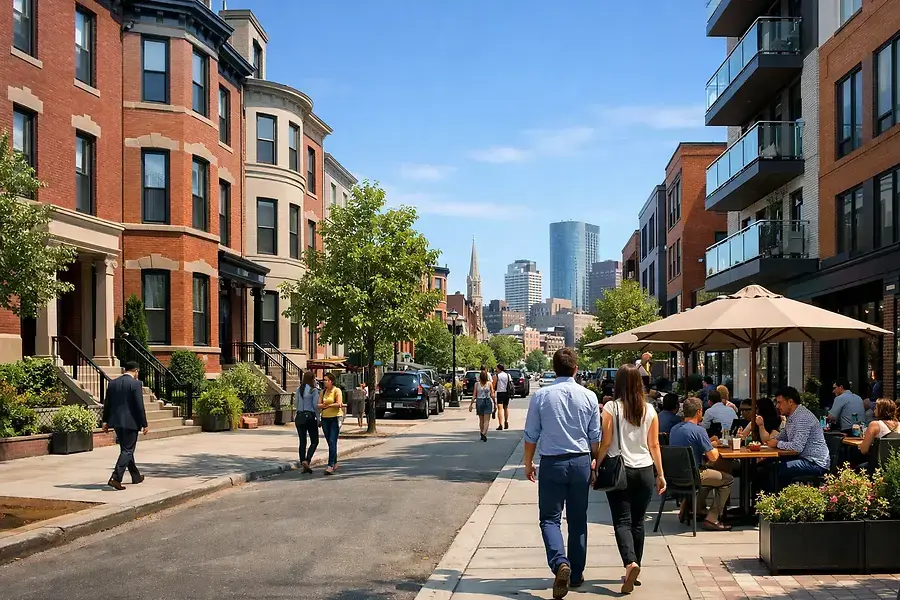
The Rise of Boston Area Residential Markets
The Greater Boston area has emerged as one of the most dynamic residential real estate markets in the United States. With a thriving economy anchored by world-class universities, cutting-edge technology companies, and a robust healthcare sector, the region continues to attract young professionals, families, and investors alike. The demand for quality housing has never been stronger, creating unprecedented opportunities for residential investors willing to look beyond traditional neighborhoods.
Boston's residential market has undergone a significant transformation in recent years. What was once considered secondary markets are now becoming primary investment destinations. Neighborhoods like Somerville, Revere, Cambridge, and Everett are experiencing rapid development, population growth, and property appreciation that rivals or exceeds more established areas. For savvy investors, this shift represents a golden opportunity to build wealth through residential real estate.
Neighborhood Growth Trends and Market Fundamentals
Somerville: The Innovation Hub
Somerville has positioned itself as a vibrant, walkable community with excellent public transportation connections to downtown Boston. The neighborhood's appeal lies in its diverse population, thriving arts scene, and proximity to major employment centers. Young professionals and families are increasingly choosing Somerville for its affordability compared to Boston proper, while still enjoying urban amenities and cultural attractions.
Key investment drivers include:
- Strong job growth in nearby tech corridors
- Ongoing residential development and revitalization projects
- Excellent public transportation infrastructure
- Growing restaurant and entertainment scene
- Competitive rental demand from young professionals
Cambridge: Academic Excellence Meets Urban Living
Cambridge's residential market is bolstered by the presence of Harvard University and MIT, which create a constant demand for housing from students, faculty, and researchers. The neighborhood offers sophisticated urban living with access to world-class institutions and cultural amenities. Property values have remained resilient, and the market continues to attract investors seeking stable, long-term appreciation.
The fundamentals supporting Cambridge's market include:
- Stable demand from university-affiliated residents
- High rental yields from student and professional housing
- Limited new construction, supporting price appreciation
- Strong neighborhood character and walkability
- Proximity to major employment centers
Revere and Everett: Emerging Opportunities
Revere and Everett represent some of the most compelling emerging investment opportunities in the Greater Boston area. These neighborhoods offer significantly lower entry prices compared to established areas, while benefiting from major infrastructure improvements and development initiatives. The waterfront revitalization projects and improved transit connections are driving population growth and attracting new residents seeking value.
Investment highlights for these neighborhoods:
- Waterfront development projects creating new amenities
- Improved public transportation and highway access
- Lower property prices offering better cash-on-cash returns
- Growing residential demand from first-time homebuyers
- Commercial development supporting local job growth
Boston: The Established Market
While Boston proper commands premium prices, certain neighborhoods within the city still offer solid investment opportunities. Areas experiencing gentrification and revitalization continue to attract investors seeking properties with strong appreciation potential. The city's status as a major employment and cultural hub ensures consistent demand for residential housing across all price points.
Investment Opportunities and Property Appreciation Factors
Understanding Market Dynamics
The residential investment landscape in Greater Boston is shaped by several key factors. Population growth, job creation, and limited housing supply create a favorable environment for property appreciation. The region's educated workforce and high median incomes support strong rental demand and property values.
Critical factors driving appreciation include:
- Limited new construction relative to demand
- Strong employment growth in high-wage sectors
- Population migration from other regions
- Infrastructure improvements and transit expansion
- Neighborhood revitalization and gentrification trends
Investment Strategies for Different Markets
Buy-and-hold strategies work exceptionally well in established neighborhoods like Cambridge and Boston, where steady appreciation and reliable rental income create long-term wealth. These properties appeal to conservative investors seeking stable returns and lower volatility.
For investors with higher risk tolerance, value-add opportunities in emerging neighborhoods like Revere and Everett can generate superior returns. Purchasing undervalued properties, making strategic improvements, and benefiting from neighborhood appreciation can yield significant profits.
Multi-family properties represent another compelling opportunity. Converting single-family homes to multi-unit rentals or investing in new multi-family developments allows investors to maximize cash flow while building equity through appreciation.
The Role of Rental Income
Boston's strong rental market provides investors with reliable income streams. The region's high concentration of young professionals, students, and transplants creates consistent demand for rental housing. Rental yields in emerging neighborhoods often exceed those in established areas, providing attractive cash-on-cash returns while waiting for property appreciation.
"The key to successful residential investing in Greater Boston is understanding that different neighborhoods serve different investor profiles. Whether you're seeking stable, long-term appreciation or higher cash flow returns, the market offers opportunities across the spectrum."
Building Your Residential Portfolio in Greater Boston
Successful residential investing in Greater Boston requires a strategic approach. Begin by identifying your investment goals—are you seeking monthly cash flow, long-term appreciation, or a combination of both? Your timeline and risk tolerance should guide your neighborhood selection and property type.
Consider these essential steps:
- Research neighborhood fundamentals and growth trends
- Analyze comparable sales and rental rates
- Evaluate property condition and renovation potential
- Calculate expected returns and cash flow projections
- Build relationships with local real estate professionals
- Diversify across multiple neighborhoods and property types
The Greater Boston residential market offers exceptional opportunities for investors willing to do their homework. Whether you're drawn to the established appeal of Cambridge, the vibrant energy of Somerville, or the emerging potential of Revere and Everett, the region's strong fundamentals support residential investment success. With careful analysis, strategic planning, and a long-term perspective, building a profitable residential portfolio in Greater Boston is entirely achievable.
The time to invest in Boston's residential market is now. As these neighborhoods continue to evolve and appreciate, early investors will reap the greatest rewards. Start exploring opportunities today and position yourself to benefit from the region's continued growth and prosperity.


