Residential Investment Opportunities in NYC's Emerging Neighborhoods
Discover high-potential areas in Manhattan and Brooklyn where savvy investors are building long-term wealth through residential real estate.

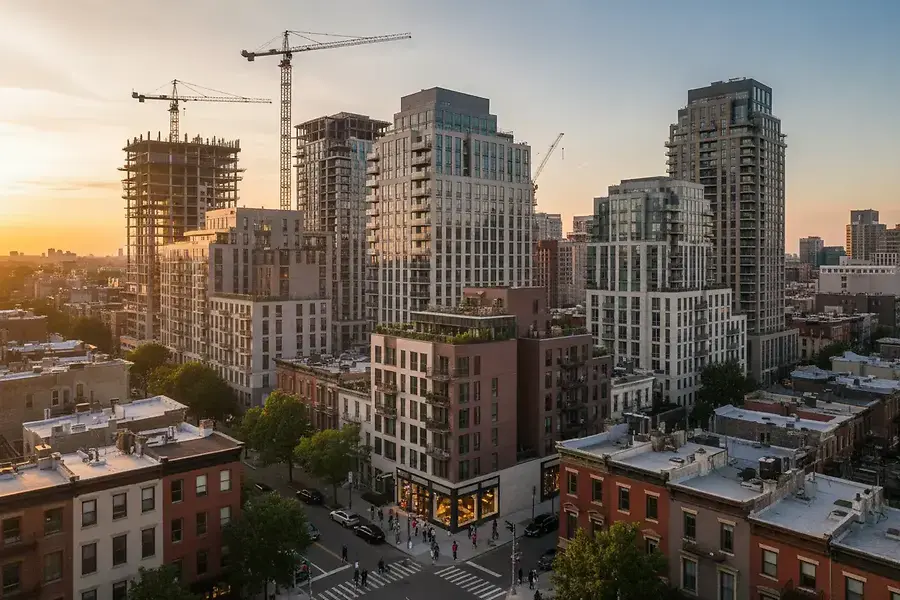
Why Smart Investors Are Looking Beyond Traditional NYC Neighborhoods
The New York City real estate market has long been dominated by established neighborhoods like the Upper West Side, Park Slope, and Williamsburg. However, savvy investors are increasingly recognizing that the most significant wealth-building opportunities lie in emerging neighborhoods that are experiencing rapid transformation and development. These areas offer a compelling combination of lower entry prices, strong rental demand, and substantial appreciation potential.
Traditional neighborhoods have already experienced significant price appreciation, leaving limited room for explosive growth. In contrast, emerging areas are attracting new residents, businesses, and infrastructure investments that drive long-term value creation. The key to successful real estate investing is identifying neighborhoods at the inflection point of growth—before they become mainstream and prices skyrocket.
Investors who position themselves early in these neighborhoods can benefit from both rental income and capital appreciation, creating a dual wealth-building strategy that maximizes returns over time.
Emerging Residential Markets in Manhattan and Brooklyn With Strong Growth Potential
Manhattan's Hidden Gems
While downtown Manhattan has seen considerable development, several neighborhoods remain undervalued relative to their growth trajectory. East Harlem continues to attract young professionals and families seeking more affordable options while maintaining proximity to Manhattan's employment centers. The neighborhood's revitalization efforts, including improved transit connections and new commercial developments, are driving residential demand.
Similarly, Washington Heights offers excellent value with strong fundamentals. The area benefits from:
- Direct subway access to Midtown and Downtown Manhattan
- Growing restaurant and retail scene
- Significant student population from nearby universities
- Affordable pricing compared to other Manhattan neighborhoods
Inwood, Manhattan's northernmost neighborhood, represents another compelling opportunity. With waterfront access, new development projects, and improving transit infrastructure, Inwood is attracting investors seeking long-term appreciation potential.
Brooklyn's Rising Stars
Brooklyn continues to be a magnet for residential investors, but the focus is shifting from established areas to emerging neighborhoods with untapped potential. Sunset Park has emerged as a major investment hub, offering:
- Diverse, growing population
- Strong rental demand from young professionals
- Waterfront redevelopment projects
- Competitive pricing relative to nearby neighborhoods
Astoria, Queens (often grouped with Brooklyn in investment discussions) has become increasingly attractive, with its vibrant cultural scene, excellent restaurants, and strong rental market drawing investors seeking consistent cash flow.
Red Hook continues its transformation with new residential developments, cultural institutions, and improved waterfront access. Early investors in this neighborhood have already seen substantial returns, and opportunities remain for those willing to look beyond the most obvious choices.
Key Metrics to Evaluate: Rental Yields, Appreciation Trends, and Neighborhood Development
Rental Yield Analysis
When evaluating emerging neighborhoods, rental yield is a critical metric that indicates the annual income return on your investment. Calculate this by dividing annual rental income by the property purchase price. Emerging neighborhoods often offer rental yields of 3-5%, compared to 2-3% in established areas, making them attractive for income-focused investors.
Research average rents in your target neighborhood and compare them to property prices. A strong rental market with growing demand indicates sustainable income potential.
Appreciation Trends and Market Indicators
Examine historical price trends over the past 3-5 years. Look for neighborhoods showing consistent appreciation of 5-8% annually, which suggests strong underlying demand. Key indicators include:
- Year-over-year price growth
- Days on market (shorter is better)
- Price per square foot trends
- Inventory levels and absorption rates
Infrastructure development is perhaps the most important predictor of future appreciation. New subway stations, bus rapid transit lines, or major commercial developments can dramatically accelerate neighborhood growth.
Neighborhood Development and Future Growth
Study municipal development plans, zoning changes, and planned infrastructure projects. Neighborhoods with active development pipelines tend to experience stronger appreciation. Look for:
- New residential construction projects
- Commercial and retail development
- Public space improvements and parks
- Educational and cultural institutions
Attend community board meetings and review city planning documents to stay informed about upcoming changes that could impact your investment.
Getting Started: How to Position Yourself for Success in NYC's Residential Investment Market
Build Your Investment Strategy
Define your investment goals clearly. Are you seeking monthly cash flow through rental income, long-term appreciation, or a combination of both? Your strategy will influence which neighborhoods and property types make sense for your portfolio.
Consider your time horizon—emerging neighborhoods typically require a 5-10 year holding period to realize maximum appreciation potential. Short-term investors may find more immediate returns in established neighborhoods.
Conduct Thorough Due Diligence
Visit neighborhoods multiple times at different hours and days. Walk the streets, visit local businesses, and speak with current residents. This firsthand experience reveals details that data alone cannot capture.
Hire a qualified real estate agent familiar with emerging neighborhoods and a real estate attorney to review contracts. Their expertise can help you identify undervalued properties and avoid costly mistakes.
Secure Appropriate Financing
Work with lenders experienced in investment properties. Emerging neighborhoods may require slightly higher down payments or interest rates, so shop around for the best terms. Building relationships with local lenders can provide advantages when opportunities arise quickly.
Start Small and Scale
Consider starting with a single property to learn the market and build experience. As you gain confidence and capital, expand your portfolio into additional emerging neighborhoods. This measured approach reduces risk while building expertise.
Network with other investors in your target neighborhoods. Sharing insights and experiences accelerates your learning curve and may reveal off-market opportunities.
Monitor and Adapt
Real estate markets evolve constantly. Stay informed about neighborhood changes, rental market dynamics, and economic factors affecting your investments. Be prepared to adjust your strategy as neighborhoods mature and new opportunities emerge elsewhere.
The most successful NYC real estate investors combine data-driven analysis with local market knowledge and patience. By identifying emerging neighborhoods early and executing a disciplined investment strategy, you can build substantial wealth through residential real estate in New York City.