Residential Investment Properties in Greater Grand Rapids Area
Discover high-potential rental markets across West Michigan's fastest-growing neighborhoods.

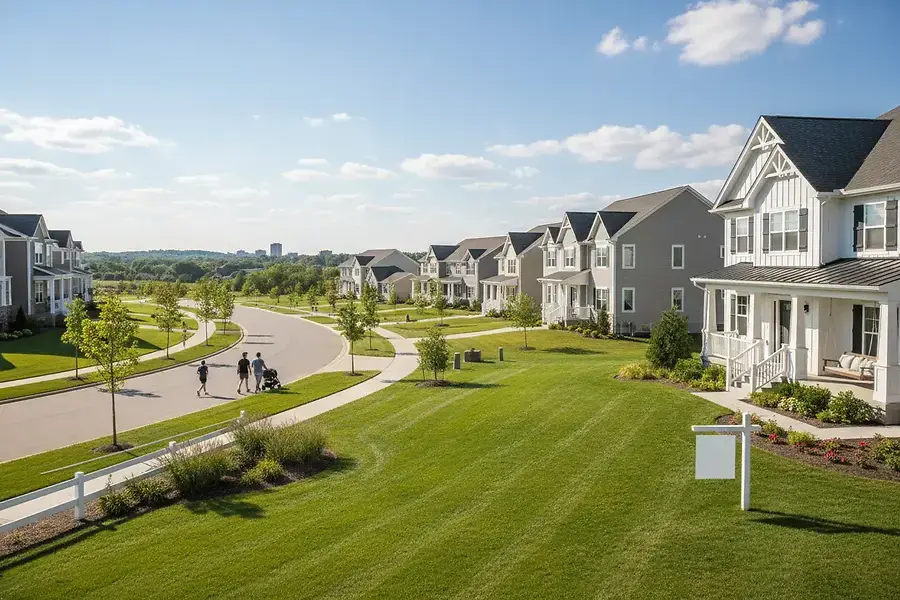
Understanding the West Michigan Rental Market
The Greater Grand Rapids area has emerged as one of the most attractive residential investment markets in the Midwest. With a growing population, strong job market, and increasing demand for rental properties, West Michigan presents compelling opportunities for both seasoned and novice investors. The region's economic diversification—spanning healthcare, technology, manufacturing, and education—creates a stable foundation for sustained rental demand.
The rental market in this region is characterized by steady appreciation and consistent tenant demand. Unlike markets that experience boom-and-bust cycles, West Michigan's measured growth provides investors with predictable returns and lower volatility. Young professionals relocating for employment, families seeking affordable housing alternatives, and students attending local universities all contribute to a robust tenant pool.
Understanding local market dynamics is crucial before making investment decisions. Factors such as population growth rates, employment trends, school district quality, and infrastructure development directly impact property values and rental income potential. The Grand Rapids metropolitan area continues to attract businesses and talent, making it an ideal environment for residential investment.
Identifying Top Investment Neighborhoods from Ada to Muskegon
Prime Investment Corridors
The Greater Grand Rapids area spans multiple neighborhoods, each with distinct characteristics and investment potential. Key areas to consider include:
- Ada and East Grand Rapids: These affluent communities offer premium single-family homes with strong appreciation potential and high-quality tenants seeking upscale rentals.
- Downtown Grand Rapids: Urban revitalization efforts have transformed the downtown core into a vibrant residential hub with growing demand for apartments and lofts.
- Kentwood and Wyoming: These suburban areas provide excellent value propositions with family-friendly amenities and consistent rental demand.
- Muskegon and Lakeside Communities: Waterfront properties and emerging neighborhoods offer unique opportunities with growing tourism and seasonal rental potential.
Emerging Growth Areas
Beyond established neighborhoods, emerging areas along the I-96 corridor and near major employment centers are experiencing rapid development. These neighborhoods often offer better entry prices while positioning investors to benefit from future appreciation as infrastructure and amenities develop. Research upcoming commercial projects, school expansions, and transportation improvements to identify neighborhoods poised for growth.
Analyzing Property Values, Tenant Demand, and Cash Flow Potential
Property Valuation Strategies
Successful residential investors must master property valuation techniques. The income approach—calculating property value based on rental income potential—is particularly relevant for investment properties. Compare properties using metrics such as cap rate, cash-on-cash return, and price-to-rent ratios to identify undervalued opportunities.
Market analysis tools and comparable sales data are essential resources. Study recent sales in your target neighborhoods, analyze days-on-market, and track price trends over time.
Properties that show strong fundamentals—stable or appreciating values combined with consistent rental demand—offer the best long-term investment potential.
Tenant Demand Assessment
Understanding tenant demographics and preferences directly impacts your investment success. Research local employment centers, educational institutions, and lifestyle amenities that attract renters. Properties near major employers, public transportation, shopping, and entertainment venues typically command higher rents and experience lower vacancy rates.
Analyze rental market data including:
- Average rent prices by neighborhood and property type
- Vacancy rates and tenant turnover patterns
- Demographic trends and population growth projections
- Seasonal fluctuations in rental demand
Cash Flow Projections
Cash flow is the lifeblood of rental property investing. Calculate your projected monthly income by researching comparable rental rates, then subtract all expenses including mortgage payments, property taxes, insurance, maintenance, property management fees, and vacancy allowances. A property that generates positive monthly cash flow provides immediate returns while you benefit from long-term appreciation.
Conservative investors typically target properties with at least 20% down payments and monthly cash flow of 8-12% of the purchase price. This approach minimizes risk while ensuring sustainable returns even during economic downturns.
Getting Started: Next Steps for Residential Investors
Building Your Investment Foundation
Before purchasing your first investment property, establish a solid financial foundation. Secure pre-approval from lenders familiar with investment property financing, build an emergency fund covering 6-12 months of expenses, and develop a clear investment strategy aligned with your financial goals.
Due Diligence and Property Inspection
Never skip thorough property inspections and due diligence. Hire qualified inspectors to evaluate structural integrity, mechanical systems, and potential repairs. Review property history, previous rental income, and tenant records. Understanding a property's true condition prevents costly surprises and ensures accurate cash flow projections.
Professional Guidance
Partner with experienced professionals including real estate agents specializing in investment properties, accountants familiar with rental property tax strategies, and attorneys knowledgeable about landlord-tenant law. These experts help you navigate complex transactions, optimize tax benefits, and protect your investments.
Start Your Journey
The Greater Grand Rapids residential market offers exceptional opportunities for investors willing to conduct thorough research and make informed decisions. Begin by attending local real estate investment meetings, studying market data, and connecting with successful investors in the community. Your first investment property is the foundation of long-term wealth building—choose wisely and invest strategically in West Michigan's dynamic real estate market.