Residential Investment Property Opportunities in South County St. Louis
Discover how to identify and capitalize on rental properties across Arnold, Ballwin, Festus, and surrounding communities.
Understanding the South County Residential Rental Market
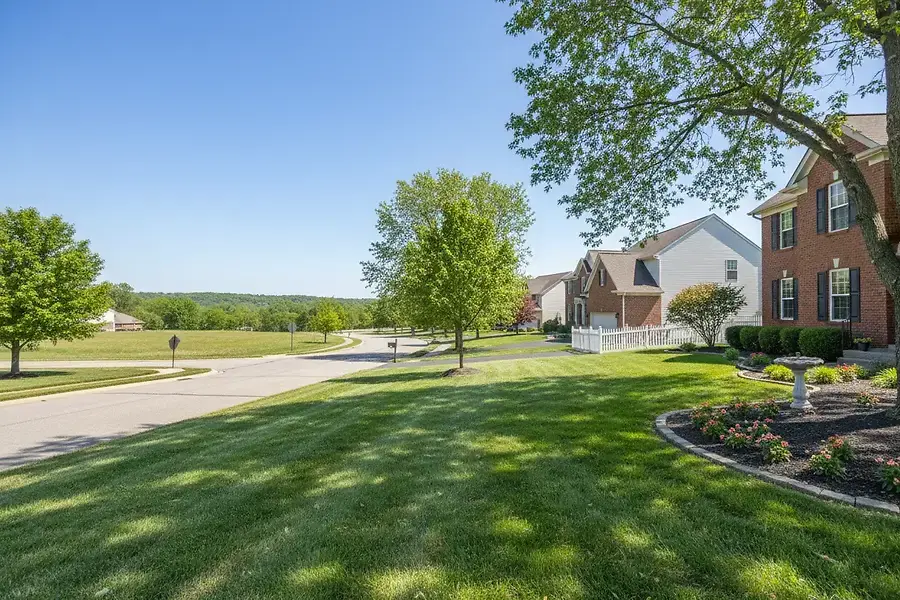
South County St. Louis has emerged as one of the most promising regions for residential real estate investment in the greater St. Louis area. The market is characterized by steady demand, reasonable property prices, and a growing population seeking suburban living with convenient access to urban amenities. Unlike more saturated markets, South County offers investors the opportunity to build wealth through rental income while benefiting from long-term property appreciation.
The rental market in this region is particularly attractive due to several factors. Strong employment centers in the area, including corporate headquarters and manufacturing facilities, create a consistent demand for rental housing. Additionally, the region's excellent school districts and family-friendly atmosphere make it appealing to both long-term renters and property investors looking for stable, quality tenants.
Market Trends and Growth Indicators
Recent data shows that South County continues to experience healthy population growth and economic development. New commercial projects, improved infrastructure, and expanding job opportunities have made the area increasingly attractive to young professionals and families. This growth translates directly into increased demand for rental properties, making it an ideal time for investors to enter the market.
Key Neighborhoods for Investment Properties
Arnold
Arnold stands out as a premier investment destination in South County. The community offers diverse housing stock ranging from single-family homes to multi-unit properties, providing investors with multiple entry points. Arnold's central location, excellent schools, and vibrant downtown area make it particularly attractive to renters seeking suburban convenience with urban accessibility.
Ballwin
Known for its upscale residential character and strong community values, Ballwin attracts quality tenants with stable incomes. Properties in Ballwin typically command higher rental rates, and the neighborhood's reputation ensures consistent occupancy rates. Investors should note that Ballwin properties may require higher initial capital investment but offer superior long-term returns.
Festus
Festus presents an excellent opportunity for value-focused investors. The community offers more affordable entry points while maintaining solid rental demand. Its proximity to major employers and reasonable cost of living make it attractive to working families and young professionals seeking affordable housing options.
Additional Promising Areas
Beyond these primary neighborhoods, surrounding communities including Oakville, Sunset Hills, and Affton offer diverse investment opportunities. Each neighborhood has unique characteristics that appeal to different tenant demographics and investment strategies.
Financial Considerations and ROI Analysis
Calculating Your Return on Investment
Understanding ROI is critical for any residential investment property decision. Key metrics include:
- Cash-on-cash return: The annual cash profit divided by the cash invested
- Cap rate: Net operating income divided by property value
- Gross rental yield: Annual rental income divided by property purchase price
- Appreciation potential: Expected property value growth over time
South County properties typically offer cap rates between 5-8%, which is competitive for the Midwest region. When combined with expected property appreciation of 2-4% annually, investors can achieve solid overall returns.
Financing Your Investment
Most residential investment properties are financed through investment mortgages, which typically require 20-25% down payment. Working with a lender experienced in investment properties is essential to secure favorable terms. Consider factors such as interest rates, loan terms, and prepayment penalties when evaluating financing options.
Operating Expenses and Cash Flow
Successful investors carefully budget for all operating expenses, including:
- Property management fees (typically 8-12% of rental income)
- Maintenance and repairs (plan for 1% of property value annually)
- Property taxes and insurance
- Vacancy allowance (typically 5-10% of potential rental income)
- Utilities and HOA fees if applicable
Positive cash flow—where rental income exceeds expenses—is the foundation of successful rental property investing. Properties in South County typically generate positive cash flow within the first year of ownership.
Getting Started with Your First Investment Property
Step 1: Assess Your Financial Position
Before pursuing any investment property, evaluate your financial readiness. Ensure you have adequate savings for a down payment, closing costs, and an emergency reserve for unexpected repairs. Most successful investors maintain a cash reserve equal to 6-12 months of operating expenses.
Step 2: Get Pre-Approved for Financing
Obtain pre-approval from a lender specializing in investment property mortgages. This demonstrates your seriousness to sellers and gives you a clear understanding of your purchasing power. Pre-approval also accelerates the closing process once you identify a suitable property.
Step 3: Research and Identify Target Properties
Work with a real estate agent experienced in investment properties to identify opportunities that match your criteria. Analyze comparable rental rates, tenant demand, and property condition.
The best investment properties are those that generate positive cash flow from day one while offering appreciation potential.
Step 4: Conduct Thorough Due Diligence
Never skip the inspection and analysis phase. Hire a professional home inspector to identify any structural or mechanical issues. Review the property's history, local market trends, and tenant demographics. Understanding these factors helps you make informed decisions and avoid costly mistakes.
Step 5: Develop a Property Management Plan
Decide whether you'll self-manage the property or hire a professional property manager. While self-management saves money, professional managers handle tenant relations, maintenance coordination, and rent collection—allowing you to focus on growing your portfolio. Many successful investors find that professional management pays for itself through improved tenant retention and reduced vacancy periods.
Step 6: Build Your Investment Team
Surround yourself with experienced professionals including a real estate agent, accountant, attorney, and property manager. These experts provide invaluable guidance throughout your investment journey and help you navigate complex legal and financial matters.
South County St. Louis offers exceptional opportunities for residential real estate investors. By understanding the market, selecting the right neighborhoods, analyzing financial metrics carefully, and following a systematic approach to property acquisition, you can build a profitable rental property portfolio. The combination of strong rental demand, reasonable property prices, and steady appreciation makes South County an ideal destination for both novice and experienced investors seeking to grow their wealth through real estate.