Residential Property Appraisals: What Buyers and Sellers Need to Know
Understand how appraisals impact your home sale or purchase and what factors influence property valuations.

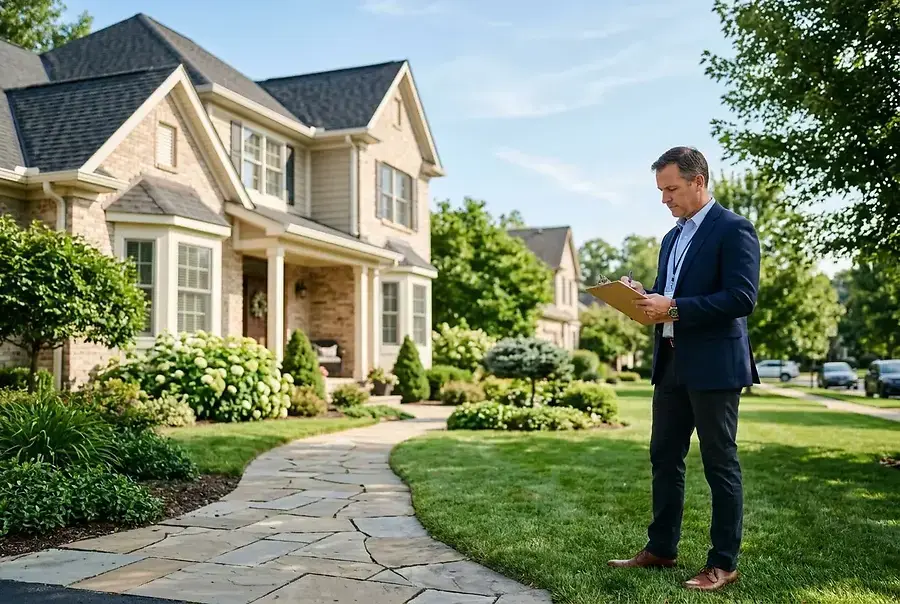
Understanding Property Appraisals and Their Role in Real Estate Transactions
A residential property appraisal is an independent, professional assessment of a home's fair market value. Conducted by a licensed appraiser, this evaluation plays a crucial role in real estate transactions, serving as a safeguard for both lenders and buyers. When you're purchasing a home with a mortgage, your lender requires an appraisal to ensure the property's value justifies the loan amount. Similarly, sellers benefit from understanding appraisals, as they directly impact negotiation power and closing timelines.
The appraisal process typically takes one to two weeks and involves a thorough inspection of the property, both inside and out. The appraiser examines structural integrity, systems, finishes, and overall condition while comparing the property to similar homes recently sold in the area. This comparative market analysis forms the foundation of the final appraisal report, which becomes a critical document in the transaction process.
Why Appraisals Matter in Your Real Estate Deal
Appraisals protect all parties involved in a real estate transaction. For buyers, an appraisal ensures you're not overpaying for a property. If the appraised value comes in lower than the agreed purchase price, you have leverage to renegotiate or walk away without penalty. For sellers, a fair appraisal validates your asking price and helps facilitate a smooth closing. Lenders rely on appraisals to mitigate risk, ensuring they're not lending more than the property is worth.
Key Factors That Influence Residential Property Values
Understanding what appraisers evaluate helps both buyers and sellers prepare for the appraisal process. Multiple factors contribute to a home's final appraised value, ranging from location to condition.
Location and Neighborhood Characteristics
Location remains one of the most significant determinants of property value. Appraisers assess proximity to schools, employment centers, shopping, and public transportation. They also evaluate neighborhood trends, crime rates, and the overall desirability of the area. Homes in established neighborhoods with strong community amenities typically command higher values than those in less developed areas.
Property Condition and Age
The physical condition of your home directly impacts its appraised value. Appraisers inspect the roof, foundation, HVAC systems, plumbing, electrical systems, and overall structural integrity. Newer homes or those with recent updates generally appraise higher than older properties requiring significant repairs. However, well-maintained older homes can still achieve strong valuations if systems are functional and cosmetic updates are current.
Size and Layout
Square footage, number of bedrooms and bathrooms, and overall floor plan influence property value. Appraisers compare your home's size to similar properties in the area to determine if the pricing is competitive. An efficient, functional layout adds value, while awkward floor plans or unusual room configurations may reduce appraised value.
Recent Comparable Sales
Appraisers rely heavily on recent sales of similar properties, known as "comps." These comparable properties should be in the same neighborhood, have similar features, and have sold recently. The appraiser adjusts values based on differences between your home and the comps, creating a data-driven valuation that reflects current market conditions.
Upgrades and Improvements
Strategic home improvements can positively influence appraisals. Kitchen and bathroom renovations, updated flooring, fresh paint, and energy-efficient upgrades typically provide good returns. However, highly personalized or luxury upgrades may not add dollar-for-dollar value, especially if they exceed neighborhood standards.
Preparing Your Home for an Appraisal: Tips for Maximum Results
While appraisers focus on objective factors, presenting your home in the best possible light can help maximize your appraised value. Strategic preparation demonstrates care and maintenance.
Curb Appeal and Exterior Condition
- Ensure landscaping is neat and well-maintained
- Power wash the exterior and driveway
- Repair any visible damage to siding, roof, or gutters
- Paint the front door and ensure hardware is clean
- Fix broken windows or damaged screens
Interior Presentation
- Deep clean all rooms, including baseboards and corners
- Declutter and depersonalize spaces
- Ensure all lights work and rooms are well-lit
- Fix minor issues like leaky faucets or squeaky doors
- Make sure HVAC systems are functioning properly
Documentation and Records
Prepare documentation of recent improvements, repairs, and maintenance. Receipts for major upgrades, inspection reports, and records of system replacements help appraisers understand your home's true condition and value. This information can justify higher valuations when improvements are recent and well-documented.
Accessibility During the Appraisal
Ensure the appraiser has full access to all areas of the home, including the attic, basement, and crawl spaces. Provide information about recent updates or improvements that may not be immediately visible. A cooperative, organized approach facilitates a thorough appraisal.
Common Appraisal Challenges and How to Address Them
Sometimes appraisals come in lower than expected. Understanding common challenges and knowing how to address them can help protect your interests.
Low Appraisals: Causes and Solutions
A low appraisal occurs when the appraised value falls below the agreed purchase price or your expected value. Common causes include limited comparable sales data, neighborhood decline, deferred maintenance, or recent market shifts. If you receive a low appraisal, you have several options:
- Request a reconsideration: If you believe the appraisal contains errors, ask the appraiser to review their work
- Provide additional documentation: Submit evidence of recent improvements or comparable sales the appraiser may have missed
- Challenge the comps: If comparable properties are significantly different, request the appraiser use more appropriate comparables
- Renegotiate the price: Work with the other party to adjust the purchase price based on the appraisal
Appraisal Contingencies
Most purchase agreements include an appraisal contingency, allowing buyers to renegotiate or withdraw if the appraisal comes in low. Sellers should understand this protection exists and prepare accordingly. Maintaining your home in excellent condition and pricing competitively reduces the risk of appraisal issues.
Market Volatility and Timing
In rapidly changing markets, appraisals may reflect recent trends that affect value. Appraisers use recent sales data, so market shifts directly impact valuations. Understanding your local market conditions helps you set realistic expectations for appraisal results.
Final Thoughts: Property appraisals are essential components of real estate transactions that protect all parties involved. By understanding how appraisals work, what factors influence value, and how to prepare effectively, both buyers and sellers can navigate the process with confidence. Whether you're purchasing your dream home or selling a property, knowledge about appraisals empowers you to make informed decisions and achieve the best possible outcome in your real estate transaction.


