Residential Property Inspection Checklist: What Buyers Must Know
Discover the critical inspection points that protect your investment and prevent costly surprises after closing.

Why Professional Inspections Matter for Residential Purchases
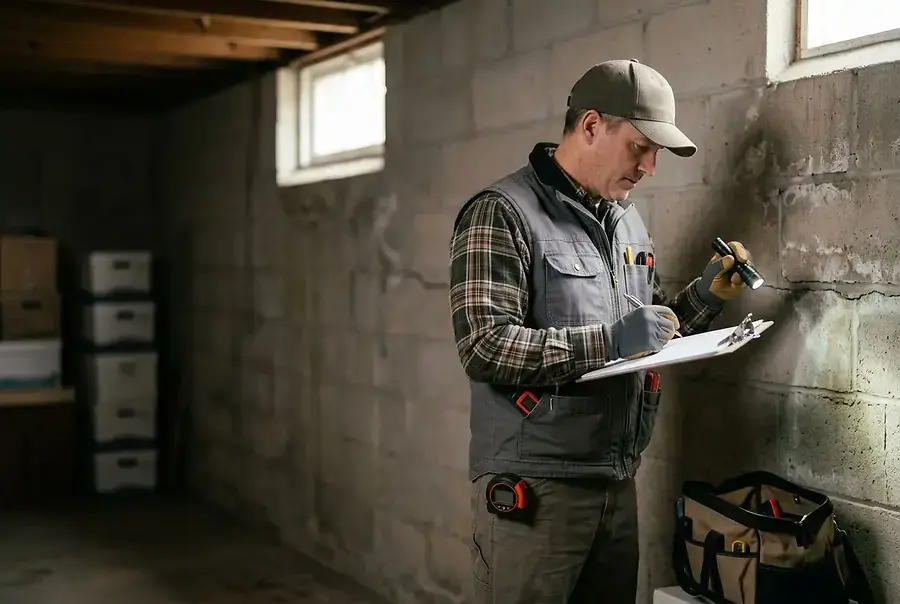
Purchasing a home is one of the most significant financial decisions you'll make in your lifetime. A professional home inspection serves as your safeguard against inheriting costly problems that could drain your savings and create stress for years to come. Unlike a simple walkthrough, a thorough inspection examines the property's structural integrity, mechanical systems, and safety features with a trained eye.
Many first-time homebuyers underestimate the importance of inspections, viewing them as an optional expense. However, a comprehensive inspection can reveal hidden defects that aren't visible during casual viewings. From foundation issues to faulty electrical wiring, these discoveries can significantly impact your negotiating power and help you avoid purchasing a money pit.
Professional inspectors bring expertise that untrained eyes simply cannot match. They understand building codes, common failure patterns, and the subtle signs that indicate larger problems. By investing in a quality inspection, you're essentially purchasing peace of mind and making an informed decision about your investment.
Key Structural and System Components Every Buyer Should Evaluate
Foundation and Structural Integrity
The foundation is the literal backbone of any home. Inspectors examine the foundation for cracks, settling, water damage, and signs of structural movement. Even small cracks can indicate serious problems that may require expensive repairs. Look for evidence of previous repairs, as these suggest the property has experienced foundation issues before.
The inspector will also evaluate the overall structure, including walls, floors, and ceilings for signs of sagging, warping, or misalignment. These issues can indicate foundation problems, water damage, or pest infestations that compromise the home's structural stability.
Roofing and Exterior
Your roof is your home's first line of defense against the elements. Inspectors assess the roof's age, condition, and remaining lifespan. They look for missing or damaged shingles, improper flashing, and signs of leaks. A roof replacement can cost thousands of dollars, so understanding its condition is crucial for budgeting future repairs.
The exterior evaluation also includes:
- Siding condition and water infiltration risks
- Window and door frames for rot and proper sealing
- Gutters and downspouts for proper drainage
- Grading and landscaping that affects water flow away from the foundation
Plumbing Systems
Water damage is one of the most expensive issues homeowners face. Inspectors test water pressure, check for leaks, and examine pipes for corrosion or deterioration. Older homes may have outdated plumbing materials that are prone to failure, such as galvanized steel or polybutylene pipes.
The inspection includes evaluating the water heater's age and condition, checking for proper venting, and assessing the septic system or sewer connection. These components are essential for daily living and can be costly to replace.
Electrical Systems
Faulty electrical systems pose serious safety hazards, including fire and electrocution risks. Inspectors examine the electrical panel, wiring, outlets, and switches for code compliance and safety issues. They verify that the home has adequate electrical capacity for modern appliances and devices.
Outdated wiring, improper grounding, and overloaded circuits are common issues in older homes. These problems may require rewiring, which is a significant expense that should factor into your purchase decision.
HVAC and Climate Control
Heating, ventilation, and air conditioning systems are essential for comfort and indoor air quality. Inspectors evaluate the furnace or heat pump, air conditioning unit, and ductwork. They assess the system's age, maintenance history, and remaining lifespan.
A complete HVAC replacement can cost $5,000 to $15,000 or more, so understanding the system's condition helps you budget for future needs. The inspector will also check for proper ventilation and air quality concerns.
Red Flags and Common Issues Found During Home Inspections
Water Damage and Mold
Water intrusion is a silent destroyer that can compromise structural integrity and create health hazards. Inspectors look for stains, discoloration, soft spots, and musty odors that indicate past or present water problems. Mold growth is a serious concern that requires professional remediation and can be expensive to address.
Common sources of water damage include roof leaks, plumbing failures, poor grading, and foundation cracks. Identifying these issues early allows you to negotiate repairs or price adjustments before closing.
Pest Infestations
Termites, carpenter ants, and other pests can cause extensive structural damage. Inspectors look for evidence of infestations, including droppings, damaged wood, and mud tubes. Pest damage can be extremely costly to repair and may require ongoing treatment.
Asbestos and Lead Paint
Homes built before the 1980s may contain asbestos in insulation, floor tiles, and other materials. Lead paint is common in homes built before 1978. Both substances pose health risks and require professional removal. While inspectors typically don't test for these materials, they can identify areas of concern that warrant specialized testing.
Outdated or Unsafe Systems
Knob-and-tube wiring, ungrounded outlets, and improper gas connections are serious safety hazards. Outdated plumbing materials and inadequate electrical capacity are common in older homes. These issues require professional remediation and should be factored into your offer.
Poor Ventilation and Moisture Issues
Inadequate ventilation in bathrooms and kitchens can lead to moisture buildup, mold growth, and structural damage. Inspectors assess ventilation systems and look for signs of moisture problems in attics, crawl spaces, and basements.
Using Inspection Reports to Make Confident Offers
Once you receive the inspection report, take time to understand the findings. Categorize issues into three groups: critical safety concerns, major repairs needed, and minor maintenance items. This helps you prioritize what needs immediate attention.
Use the report as a negotiation tool. For critical issues, you can request that the seller make repairs before closing or provide a credit toward repairs. For major issues, you may want to renegotiate the purchase price to account for upcoming expenses.
Don't let a few minor issues scare you away from a good property. Every home has some maintenance needs. However, multiple significant issues or a pattern of deferred maintenance should raise red flags about the property's overall condition and the seller's care.
Consider hiring a specialist inspector for specific concerns. If the general inspection reveals potential roof, foundation, or electrical issues, a specialized inspector can provide detailed assessment and repair estimates.
Remember that the inspection is your opportunity to make an informed decision. A thorough inspection protects your investment, helps you understand the true cost of homeownership, and empowers you to negotiate confidently. By understanding what inspectors evaluate and recognizing common red flags, you're taking a crucial step toward making a smart real estate investment.


