Residential Property Inspection Essentials for Informed Buyers
Discover the critical inspection points that protect your investment and reveal hidden costs before closing day.

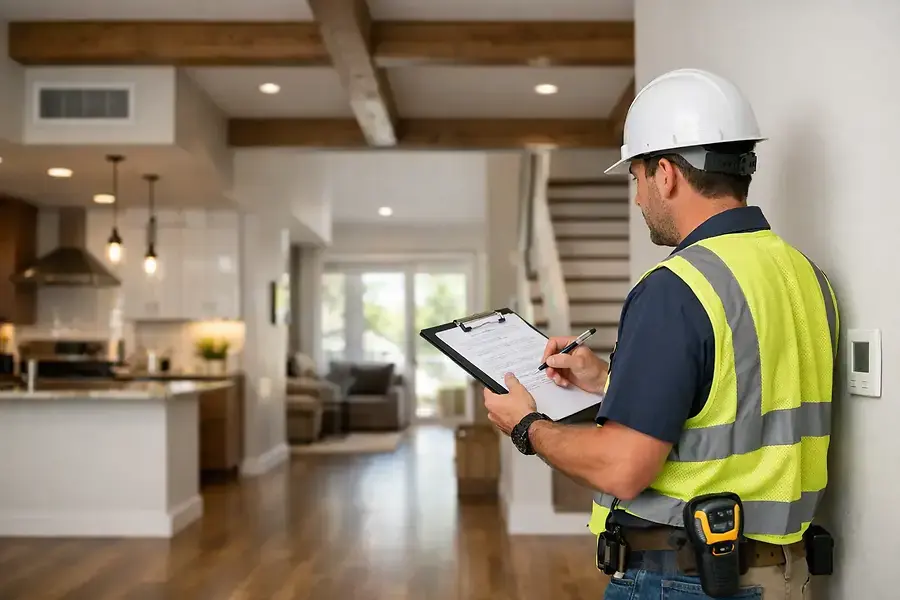
Understanding the Importance of Professional Home Inspections
Purchasing a home is one of the most significant financial decisions you'll make in your lifetime. While a property may look pristine on the surface, hidden structural issues, mechanical failures, and safety hazards can cost thousands of dollars to repair. This is where professional home inspections become invaluable.
A comprehensive home inspection provides an objective assessment of a property's condition before you commit to the purchase. Rather than relying solely on the seller's disclosures or your own observations, a certified inspector examines the home systematically and identifies potential problems that could affect your investment. This inspection serves as your protection against unexpected expenses and helps you make an informed decision about whether the property is worth the asking price.
Professional inspectors bring expertise, experience, and specialized tools to evaluate components that untrained eyes might miss. They document their findings in detailed reports that become crucial negotiating tools and serve as a reference for future maintenance and repairs.
Key Areas Inspectors Examine and What Red Flags Mean
Structural and Foundation Issues
Inspectors carefully evaluate the foundation, walls, and overall structural integrity of the home. Red flags include:
- Cracks in the foundation or basement walls
- Uneven or sloping floors
- Gaps between walls and windows or doors
- Signs of water damage or moisture intrusion
Foundation problems are among the most expensive to repair, sometimes costing $10,000 or more, making this inspection area critical.
Roofing and Exterior
The roof protects your entire home from the elements. Inspectors assess shingle condition, flashing, gutters, and drainage systems. Warning signs include:
- Missing, curled, or deteriorating shingles
- Sagging roof lines
- Improper drainage or clogged gutters
- Visible moss or algae growth
- Damaged siding or trim
A roof replacement can easily exceed $15,000, so understanding its age and condition is essential.
Plumbing Systems
Inspectors test water pressure, check for leaks, and evaluate the age and type of pipes throughout the home. Concerning findings include:
- Corroded or outdated pipes (galvanized or polybutylene)
- Slow drains or water pressure issues
- Evidence of past or present leaks
- Inadequate water heater capacity or age
Plumbing repairs and replacements can range from minor fixes to complete system overhauls costing thousands of dollars.
Electrical Systems
A thorough electrical inspection ensures safety and code compliance. Red flags include:
- Outdated or insufficient electrical panels
- Aluminum wiring (a fire hazard)
- Missing ground fault circuit interrupters (GFCIs)
- Overloaded circuits or improper grounding
Electrical issues pose safety risks and may require expensive upgrades to meet current building codes.
HVAC Systems
Heating, ventilation, and air conditioning systems are vital for comfort and indoor air quality. Inspectors evaluate age, functionality, and maintenance history. Concerns include:
- Aging furnaces or air conditioning units nearing replacement
- Inadequate ductwork or insulation
- Signs of poor maintenance or frequent repairs
How to Review and Interpret Your Inspection Report
Understanding the Report Format
Professional inspection reports typically organize findings by home system and severity level. Most reports use categories such as major concerns, minor issues, and maintenance recommendations. Take time to read the entire report carefully, not just the summary.
Distinguishing Between Severity Levels
Major Issues require immediate attention and can significantly impact the home's safety or value. These might include foundation problems, roof leaks, or electrical hazards.
Minor Issues are typically cosmetic or involve components with remaining useful life. Examples include worn caulking, missing outlet covers, or minor paint touch-ups.
Maintenance Recommendations suggest preventive care to extend the life of systems and components, such as regular HVAC servicing or gutter cleaning.
Asking Questions and Seeking Clarification
Don't hesitate to contact your inspector with questions about specific findings. Ask for clarification on technical terms, estimated repair costs, and urgency levels. Understanding the "why" behind each finding helps you make better decisions.
Consider hiring a specialist for major concerns. If the inspection reveals significant plumbing, electrical, or structural issues, a specialized contractor can provide more detailed assessments and repair estimates.
Using Inspection Findings to Negotiate Better Terms and Protect Your Investment
Preparing Your Negotiation Strategy
Armed with your inspection report, you have concrete evidence to support negotiations. Gather repair estimates from licensed contractors for any major issues discovered. These estimates provide leverage in discussions with the seller.
Prioritize your concerns. Focus negotiations on significant issues that affect safety, structural integrity, or long-term value. Minor cosmetic issues are typically less negotiable.
Negotiation Options
You have several approaches when inspection issues arise:
- Request repairs: Ask the seller to fix major issues before closing
- Request credits: Negotiate a reduction in the purchase price to cover repairs you'll handle
- Request inspections: Ask for specialized inspections on specific systems
- Walk away: Use inspection findings as justification to terminate the purchase if issues are severe
Protecting Your Long-Term Investment
Beyond negotiations, use your inspection report as a maintenance roadmap for future homeownership. Document all findings and create a prioritized list of repairs and maintenance tasks. This proactive approach prevents small issues from becoming expensive problems.
A thorough home inspection is not an expense—it's an investment in peace of mind and financial protection. The cost of an inspection (typically $300-$500) is minimal compared to the potential savings from identifying major issues before purchase.
Keep your inspection report accessible for future reference, insurance claims, and when you eventually sell the property. It becomes part of your home's documented history and demonstrates due diligence to future buyers.


