Residential Property Staging: A Complete Buyer Attraction Guide
Transform your home's appeal and accelerate your sale with proven staging techniques that attract serious buyers.

Introduction: Why Property Staging Matters in Today's Market
In today's competitive real estate landscape, first impressions are everything. Property staging has become an essential tool for sellers looking to maximize their home's appeal and secure the best possible sale price. When potential buyers walk through your door, they're not just evaluating the physical structure—they're envisioning their future in that space.
Studies show that staged homes sell faster and for higher prices compared to unstaged properties. The investment in staging typically returns 5-10 times its cost through increased buyer interest and competitive offers. Whether you're selling in a buyer's market or a seller's market, staging gives you a significant competitive advantage.
Staging isn't about deceiving buyers or hiding flaws. Rather, it's about highlighting your home's best features, creating an emotional connection, and helping buyers see the full potential of the space. It's a strategic approach to presentation that makes your property memorable and desirable.
Essential Staging Strategies: Room-by-Room Transformation Guide
The Entryway and Living Room
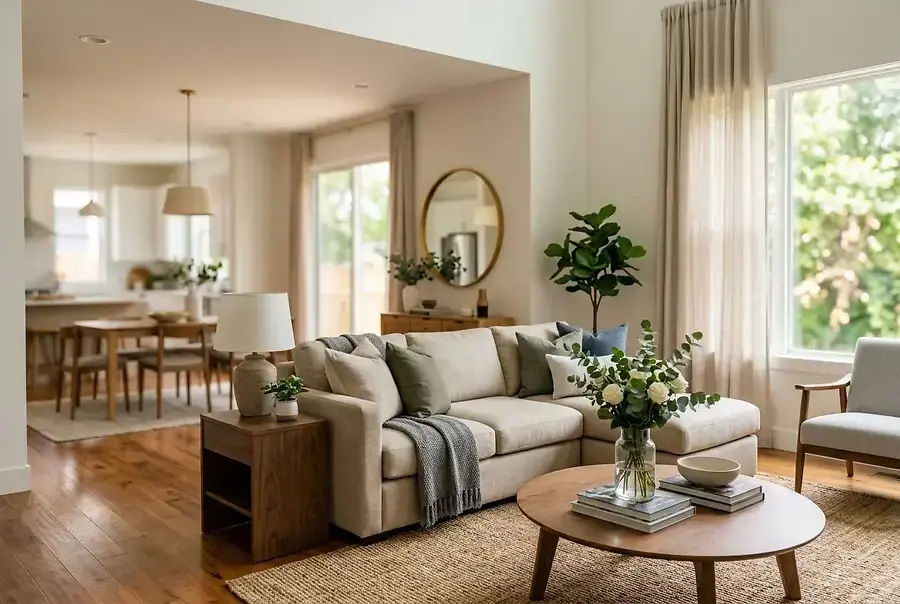
Your entryway sets the tone for the entire home. Keep this space clean, well-lit, and inviting. Remove clutter, add a fresh coat of paint if needed, and consider placing a welcoming piece of art or a statement mirror. The living room should feel spacious and comfortable—arrange furniture to create conversation areas and ensure there's a clear traffic flow through the space.
- Declutter and depersonalize the space
- Use neutral colors for walls and larger furniture pieces
- Add soft lighting with lamps and natural light
- Arrange furniture to showcase room dimensions
The Kitchen and Dining Area
The kitchen is often the heart of the home and a major selling point. Cleanliness is paramount here. Organize cabinets, remove personal items from countertops, and ensure all appliances shine. A fresh bowl of fruit or fresh flowers can add warmth without overwhelming the space. The dining area should feel inviting—set the table as if expecting guests to create an aspirational atmosphere.
Bedrooms and Bathrooms
Bedrooms should feel like peaceful retreats. Keep them spacious and serene by removing excess furniture and using soft, neutral bedding. Ensure windows are clean to maximize natural light. Bathrooms require meticulous attention to cleanliness and organization. Remove personal items, organize toiletries, and ensure fixtures are spotless. A small plant or fresh towels can add a spa-like quality.
Outdoor Spaces
Don't neglect your home's exterior. Curb appeal is crucial for making a strong first impression. Maintain the lawn, trim hedges, add colorful plants or flowers, and ensure the front door is welcoming. If you have a patio or deck, stage it as an extension of your living space with comfortable seating and ambient lighting.
Common Staging Mistakes to Avoid and How to Fix Them
Over-Personalizing Your Space
While your home is deeply personal to you, buyers need to envision themselves living there. Remove family photos, religious items, and highly personal décor. This doesn't mean making your home sterile—it means creating a neutral canvas that allows buyers to project their own lifestyle onto the space.
Cluttering and Overcrowding
One of the biggest staging mistakes is keeping too much furniture or décor. Less is more. Remove 25-30% of your belongings before showing. This makes rooms appear larger, cleaner, and more organized. Storage is a major selling point, so demonstrate that your home has adequate space by keeping closets and cabinets organized and not overstuffed.
Ignoring Lighting and Odors
Poor lighting can make even beautiful spaces feel unwelcoming. Maximize natural light by opening curtains and cleaning windows thoroughly. Add soft artificial lighting with lamps to create warmth. Additionally, be mindful of odors—avoid strong cooking smells or artificial air fresheners. Instead, open windows for fresh air or use subtle scents like fresh coffee or baked goods during showings.
Neglecting Maintenance and Cleanliness
No amount of staging can overcome a dirty home. Deep clean every surface before showings. Fix minor repairs, touch up paint, and ensure all fixtures are in working order. Buyers notice details, and a well-maintained home signals that you've cared for the property.
Poor Furniture Arrangement
Furniture placement should maximize space and create natural traffic flow. Avoid pushing all furniture against walls—this can make rooms feel smaller. Instead, create conversation areas and ensure doorways and hallways are clear. Take measurements and plan your layout carefully.
Conclusion: Staging as Your Competitive Advantage
Property staging is a strategic investment that pays dividends in today's real estate market. By following these proven techniques and avoiding common mistakes, you can transform your home into a buyer magnet. Remember that staging is about creating an emotional connection and helping buyers see the potential in your space.
The goal isn't perfection—it's presentation. A well-staged home tells a story of comfort, cleanliness, and care. Whether you're working with a professional stager or tackling the project yourself, the effort you invest in staging will likely result in faster sales, higher offers, and less negotiation.
In a market where buyers have choices, staging gives you the edge. Start today, and watch as serious buyers fall in love with your home.