Residential Property Staging: Boost Your Home's Appeal and Sale Price
Learn proven staging strategies that help residential properties sell faster and attract serious buyers in today's competitive market.

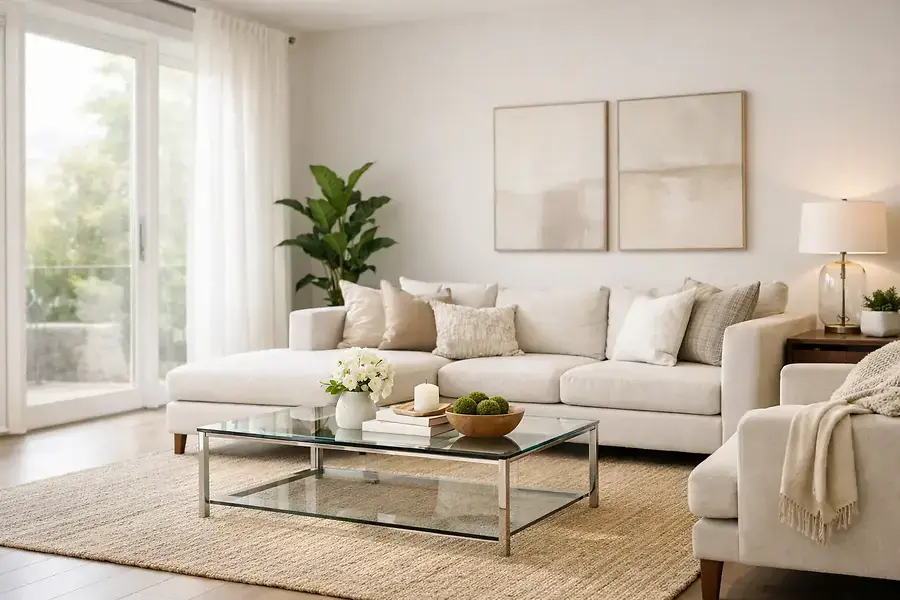
Why Staging Matters in Residential Real Estate
In today's competitive housing market, first impressions are everything. When potential buyers walk through your home, they're not just evaluating the structure and square footage—they're envisioning their future there. Property staging is the art of presenting your home in its best possible light, and it can make a dramatic difference in how quickly your property sells and at what price.
Research shows that staged homes spend significantly less time on the market and often sell for higher prices than unstaged properties. Buyers are more likely to make offers when they can emotionally connect with a space, and staging helps facilitate that connection by highlighting your home's strengths and minimizing its weaknesses.
Essential Staging Techniques That Transform Living Spaces
Declutter and Depersonalize
The first step in staging is removing excess items from your home. Clutter creates visual chaos and makes spaces feel smaller. Remove personal photographs, collections, and memorabilia that might distract buyers from appreciating the home itself. A clean, neutral environment allows buyers to imagine their own belongings in the space.
Create a Neutral Color Palette
While you may love bold accent walls or vibrant colors, neutral tones appeal to a broader audience. Paint walls in soft whites, beiges, and grays to create a calming backdrop. This doesn't mean your home should feel sterile—add warmth through tasteful accessories and well-chosen furnishings.
Maximize Natural Light
Bright, well-lit spaces feel more inviting and spacious. Open all curtains and blinds during showings, and consider adding additional lighting fixtures in darker areas. Natural light is one of the most valuable assets in any home, so let it shine through.
Arrange Furniture Strategically
Furniture placement should enhance the flow of your home and highlight its best features. Arrange pieces to create conversation areas and clearly define the purpose of each room. Avoid blocking windows or doorways, and ensure pathways are clear and easy to navigate.
Add Fresh Touches
Simple additions can dramatically improve your home's appeal:
- Fresh flowers or potted plants in key areas
- New throw pillows and blankets in neutral colors
- Updated hardware on cabinets and doors
- Clean, modern light fixtures
- Tasteful artwork on walls
Focus on Key Areas
Prioritize staging the spaces buyers care most about: the kitchen, master bedroom, and bathrooms. These areas have the greatest impact on purchasing decisions. Ensure countertops are clear, appliances are spotless, and bathrooms are immaculate with fresh towels and quality toiletries on display.
Common Staging Mistakes Residential Sellers Should Avoid
Over-Staging
While staging is important, too much can feel artificial and off-putting. Avoid filling rooms with rental furniture or excessive decorations. Your goal is to enhance the home's natural appeal, not transform it into a showroom.
Ignoring Curb Appeal
The exterior of your home is the first thing buyers see. Don't neglect landscaping, the front door, or the driveway. A well-maintained exterior sets a positive tone for the entire showing and encourages buyers to step inside.
Leaving Strong Odors
Cooking smells, pet odors, and stale air can turn buyers away instantly. Keep your home fresh and neutral-smelling by opening windows, using subtle air fresheners, and avoiding strong cooking smells during showings. Fresh-baked cookies might seem appealing, but they can actually be counterproductive.
Cluttering Bathrooms
Bathrooms should feel spa-like and serene. Remove personal toiletries, excess towels, and clutter from countertops. Display only a few high-quality items like luxury soap or a nice candle.
Neglecting Storage Solutions
Buyers want to see that your home has adequate storage. Organize closets, cabinets, and pantries to demonstrate functionality. Well-organized storage spaces make homes feel more spacious and livable.
Poor Lighting Choices
Dim, outdated lighting can make even beautiful homes feel uninviting. Replace old bulbs with bright, energy-efficient options and consider adding accent lighting to highlight architectural features.
Maximizing Your Home's Market Potential Through Strategic Staging
Effective staging is an investment that typically pays for itself many times over. By presenting your home in its best condition, you're not just appealing to more buyers—you're positioning yourself to negotiate from a position of strength.
Remember that staging isn't about deceiving buyers; it's about helping them see the true potential of your home. When buyers can envision themselves living in a space, they're more likely to make competitive offers and move quickly through the purchasing process.
Strategic staging transforms how buyers perceive your home, often resulting in faster sales and higher offers.
Whether you choose to stage your home yourself or hire a professional stager, the investment in presentation is worthwhile. In a competitive market, the homes that sell fastest and for the highest prices are those that make the strongest first impression. By following these proven staging techniques and avoiding common mistakes, you'll maximize your home's appeal and market potential.