Residential Property Valuation: Key Factors That Impact Your Home's Worth
Discover what drives residential property values and how to position your home for maximum appraisal results.

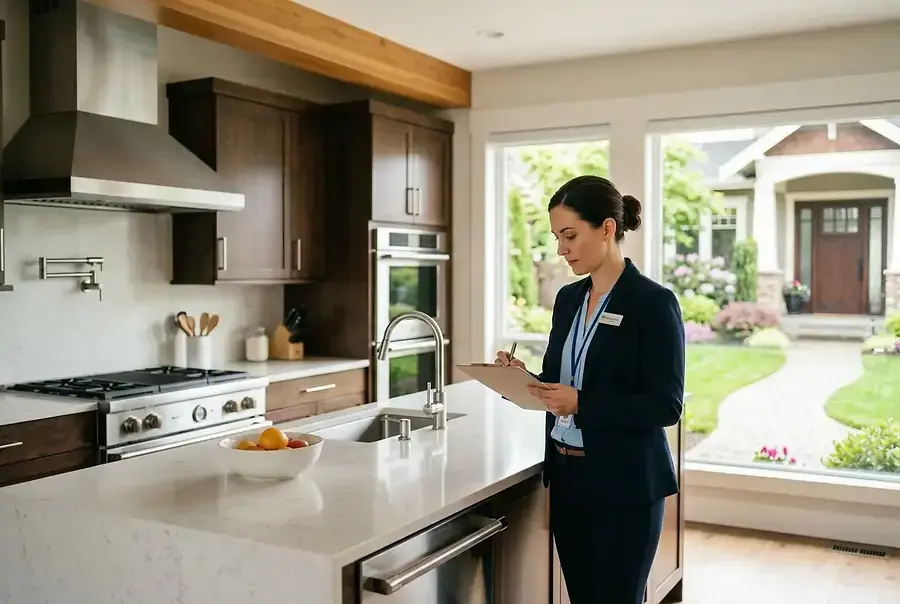
Understanding the Core Elements of Residential Property Valuation
Residential property valuation is both an art and a science. Professional appraisers use a combination of methods to determine a home's fair market value, which is crucial for buyers, sellers, lenders, and investors alike. Understanding these core elements can help you make informed decisions about your property and prepare it for evaluation.
The Three Primary Valuation Approaches
Appraisers typically employ three main approaches when determining property value:
- Comparable Sales Approach: This method compares your home to recently sold properties in your area with similar characteristics, adjusting for differences in size, condition, and features.
- Cost Approach: This calculates the cost to rebuild your home from scratch, including land value and construction costs, minus depreciation.
- Income Approach: Primarily used for investment properties, this method evaluates potential rental income and returns.
Most residential appraisals rely heavily on the comparable sales approach, as it reflects actual market conditions and buyer behavior in your specific area.
Market Conditions and Location Factors That Influence Home Values
The location of your property and current market dynamics play pivotal roles in determining its value. These external factors often have more impact than the property itself.
Location and Neighborhood Characteristics
Location remains the most critical factor in residential property valuation. Homes in desirable neighborhoods with good schools, low crime rates, and convenient access to amenities command higher prices. Consider these location-based elements:
- Proximity to quality schools and educational institutions
- Access to public transportation and major employment centers
- Neighborhood safety and crime statistics
- Availability of parks, shopping, and recreational facilities
- Future development plans and infrastructure improvements
- Zoning regulations and property restrictions
Market Conditions and Economic Factors
The broader real estate market significantly impacts property values. Key market indicators include:
- Supply and Demand: Limited inventory in high-demand areas typically drives prices upward, while oversupply can suppress values.
- Interest Rates: Lower mortgage rates increase buyer purchasing power, potentially boosting property values.
- Economic Health: Strong local employment and economic growth support higher property valuations.
- Days on Market: Properties selling quickly indicate strong demand and healthy market conditions.
Understanding these market dynamics helps you time your sale or refinance strategically.
Home Improvements and Condition Assessment for Better Appraisals
The physical condition of your home directly impacts its appraised value. Appraisers conduct thorough inspections, evaluating everything from structural integrity to cosmetic appeal.
Critical Home Systems and Structural Elements
Appraisers pay special attention to major systems that affect property value and safety:
- Foundation and Structure: Any cracks, settling, or structural issues significantly reduce value.
- Roof Condition: A roof nearing the end of its lifespan can substantially decrease appraisal value.
- HVAC Systems: Functional heating and cooling systems are essential for maintaining property value.
- Plumbing and Electrical: Updated, code-compliant systems add value and ensure safety.
- Water Damage and Mold: Any signs of moisture issues can severely impact valuation.
Strategic Home Improvements That Add Value
Not all improvements provide equal returns on investment. Focus on upgrades that appraisers value most:
- Kitchen and Bathroom Updates: These rooms typically offer the best return on investment, with modern fixtures and finishes appealing to appraisers and buyers.
- Energy Efficiency Upgrades: New windows, insulation, and energy-efficient appliances increase value while reducing utility costs.
- Curb Appeal: Landscaping, fresh paint, and well-maintained exteriors create positive first impressions.
- Additional Living Space: Finished basements or additional bedrooms can significantly boost property value.
- Updated Flooring: Quality flooring in good condition enhances overall property appeal.
Remember: Appraisers focus on improvements that enhance functionality and appeal, not personal preferences or luxury upgrades that don't align with neighborhood standards.
Cosmetic Condition and Maintenance
Beyond major systems, appraisers assess overall cleanliness and maintenance. Fresh paint, clean carpets, and well-maintained landscaping create a positive impression and can influence the final appraisal value. Deferred maintenance and visible neglect can result in lower valuations.
Preparing Your Residential Property for Professional Evaluation
Taking proactive steps before your appraisal can help ensure the most accurate and favorable valuation possible.
Pre-Appraisal Preparation Checklist
Prepare your home strategically for the appraiser's visit:
- Enhance Curb Appeal: Ensure landscaping is neat, exterior is clean, and entrance is welcoming.
- Document Improvements: Gather receipts and documentation for recent upgrades and renovations.
- Ensure Access: Make sure the appraiser can easily access all areas of the property, including attic, basement, and crawl spaces.
- Highlight Upgrades: Prepare a list of recent improvements, updated systems, and special features.
- Address Obvious Issues: Fix minor problems like leaky faucets, broken fixtures, or damaged paint before the appraisal.
- Clean Thoroughly: A clean home makes a better impression and allows the appraiser to assess condition more accurately.
Information to Provide the Appraiser
Help the appraiser understand your property's value by providing relevant information:
- Documentation of recent renovations and improvements with dates and costs
- Information about recent upgrades to major systems (roof, HVAC, plumbing, electrical)
- Details about any special features or amenities (pool, garage, deck, etc.)
- Proof of property maintenance and regular upkeep
- Information about neighborhood improvements or planned developments
What to Avoid During the Appraisal Process
Don't attempt to mislead or misrepresent your property. Appraisers are trained professionals who will discover inaccuracies. Instead, focus on presenting your home in its best light while being honest about its condition and features. Avoid making major claims about improvements without documentation, and don't pressure the appraiser or attempt to influence their professional judgment.
Understanding residential property valuation empowers you to make better decisions about your home investment. By focusing on location, market conditions, property condition, and strategic improvements, you can position your home for maximum appraisal value. Whether you're selling, refinancing, or simply curious about your property's worth, these insights will help you navigate the valuation process with confidence.