Residential Property Values Across Minnesota's Twin Cities Metro Area Suburbs
Discover how home prices and appreciation rates vary across 26 thriving communities from Buffalo to Annandale.

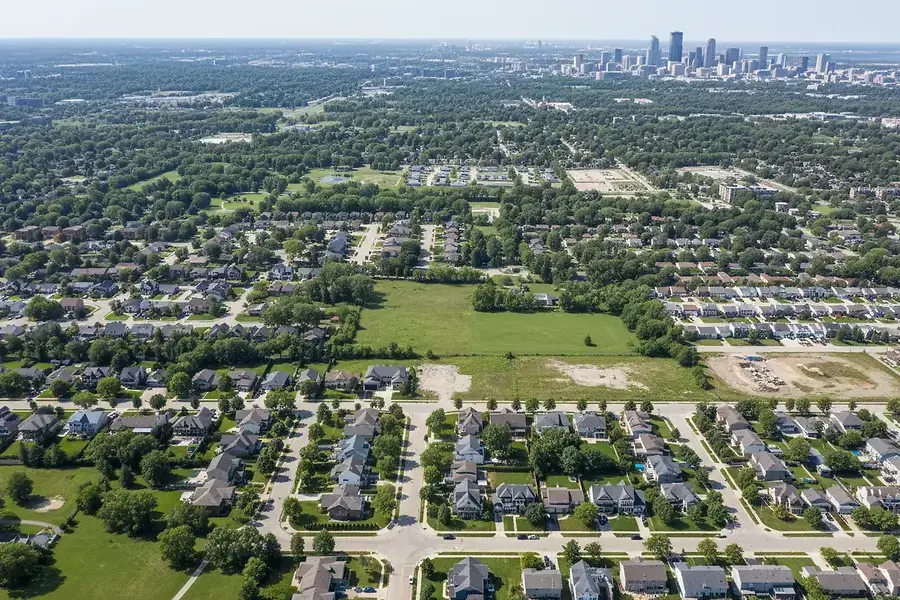
Understanding Twin Cities Suburban Real Estate Markets
The Twin Cities metropolitan area represents one of the most dynamic real estate markets in the Upper Midwest. With over 26 thriving suburban communities stretching from Buffalo in the northwest to Annandale in the south, the region offers diverse housing options and investment opportunities for both homebuyers and real estate professionals. Understanding the nuances of these markets is essential for anyone looking to make informed decisions about residential property investments.
The suburban landscape surrounding Minneapolis and St. Paul has evolved significantly, with each community developing its own unique character, amenities, and price points. From established neighborhoods with mature trees and established infrastructure to newer developments with modern conveniences, the Twin Cities suburbs cater to a wide range of preferences and budgets. This diversity creates distinct market segments that respond differently to economic conditions and demographic trends.
Residential Property Value Trends in North and Northwest Suburbs
Market Dynamics in Buffalo and Surrounding Communities
Buffalo, located northwest of the Twin Cities, has emerged as one of the region's most sought-after suburban destinations. The community's appeal lies in its blend of rural charm and convenient access to urban amenities. Property values in Buffalo have demonstrated steady appreciation, driven by families seeking larger lots, newer construction, and excellent school districts. The median home prices in this area reflect strong demand from commuters willing to trade longer drive times for spacious properties and community character.
Northern Corridor Growth and Development
Communities along the northern corridor, including areas like Blaine, Coon Rapids, and Fridley, have experienced consistent growth. These suburbs offer:
- More affordable entry points compared to closer-in communities
- Expanding commercial and retail development
- Improved transportation infrastructure and commute options
- Family-friendly amenities and recreational facilities
- Diverse housing inventory from starter homes to luxury properties
Property appreciation in these northern suburbs has been moderate but steady, making them attractive for first-time homebuyers and investors seeking long-term value growth. The availability of land for new development continues to support housing supply and price stability in these areas.
Comparing Home Appreciation and Affordability Across Communities
Price Variation Across the Metro Area
The Twin Cities suburban market exhibits significant price variation based on proximity to downtown, school district ratings, and community amenities. Communities closer to Minneapolis and St. Paul command premium prices, while outlying areas offer more affordable options. This creates a spectrum of opportunities for different buyer profiles:
- Premium Communities: Established suburbs with top-rated schools and proximity to urban centers show higher median prices and stronger appreciation
- Mid-Range Communities: Developing suburbs with good schools and growing amenities offer balanced pricing and solid appreciation potential
- Emerging Communities: Newer suburbs and outer-ring communities provide affordability with growth potential as infrastructure develops
Appreciation Rates and Market Drivers
Home appreciation rates vary considerably across the 26 communities in the Twin Cities suburban area. Several key factors influence these rates:
- School district quality and test scores
- Population growth and demographic trends
- Employment centers and job accessibility
- Community amenities and quality of life factors
- New construction activity and housing supply
- Economic conditions and interest rate environments
Communities experiencing strong job growth and population influx typically show higher appreciation rates. Areas with limited new construction and high demand for existing homes often see accelerated price growth. Conversely, communities with abundant new development may experience more moderate appreciation as supply keeps pace with demand.
Affordability Considerations
For homebuyers prioritizing affordability, the outer suburbs and northern communities offer the most accessible entry points. These areas provide opportunities to build equity while maintaining reasonable monthly payments. However, buyers should consider long-term appreciation potential and community development plans when evaluating affordability-focused purchases.
The relationship between current affordability and future appreciation creates interesting investment scenarios. Some communities offer lower current prices with strong growth potential, while others command higher prices based on established reputation and proven appreciation history.
Market Positioning for Real Estate Professionals
Understanding the distinct characteristics of each suburban community allows real estate professionals to provide superior guidance to clients and position themselves as local market experts.
Successful real estate agents in the Twin Cities suburbs develop deep knowledge of specific communities, including:
- Historical price trends and appreciation patterns
- Current inventory levels and days-on-market statistics
- Demographic profiles and buyer preferences
- Upcoming development projects and infrastructure improvements
- School district performance and family-oriented amenities
- Comparative market analysis across neighboring communities
Positioning Yourself as a Market Expert in Your Area
To establish credibility and expertise in the Twin Cities suburban market, focus on becoming intimately familiar with your target communities. This means regularly analyzing market data, attending community events, and building relationships with local stakeholders. Specialization in specific suburbs or geographic corridors allows you to provide unparalleled insights to clients.
Market expertise extends beyond price data to understanding the lifestyle and community factors that drive buyer decisions. Families relocating to the suburbs prioritize schools, safety, and community character. Young professionals may value proximity to employment centers and urban amenities. Retirees seek active adult communities and healthcare accessibility. Tailoring your market knowledge to address these diverse needs positions you as a valuable resource.
The Twin Cities suburban real estate market continues to evolve, with new developments, demographic shifts, and economic changes creating ongoing opportunities for informed professionals. By maintaining current knowledge of property values, appreciation trends, and community characteristics across the region's 26 thriving suburbs, you can confidently guide clients through their real estate decisions and build a successful practice rooted in expertise and trust.


