Residential Real Estate Investment Opportunities Across Colorado
Discover high-potential neighborhoods from Denver to Boulder where smart investors are building wealth through residential property ownership.

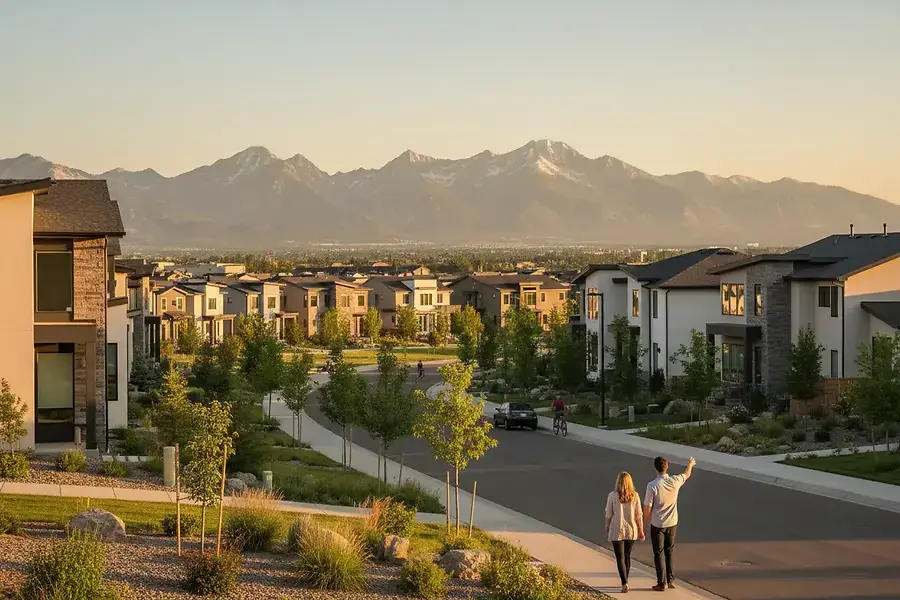
Understanding Colorado's Residential Market Fundamentals
Colorado's residential real estate market has emerged as one of the most dynamic and attractive investment landscapes in the United States. The state's combination of population growth, economic diversification, and lifestyle appeal creates a compelling environment for residential property investors. Unlike markets that rely heavily on a single industry, Colorado's economy spans technology, healthcare, energy, and tourism, providing stability and consistent demand for housing.
The state has experienced steady population growth, with people relocating from across the nation seeking Colorado's outdoor lifestyle, quality of life, and economic opportunities. This migration pattern directly translates to increased housing demand, making residential properties valuable long-term investments. Additionally, Colorado's relatively affordable entry points compared to coastal markets make it accessible for both novice and experienced investors.
Top Investment-Ready Neighborhoods Across the State
Denver Metro Area
Denver remains the crown jewel of Colorado real estate investment. Neighborhoods like LoDo (Lower Downtown) continue to attract investors with their urban revitalization and mixed-use development potential. The area offers strong rental yields and appreciation prospects, particularly as young professionals flock to the city.
Cherry Creek and Highlands present opportunities for investors seeking upscale residential properties with consistent appreciation. These neighborhoods command premium prices but offer stability and attract high-income renters and buyers.
Boulder and Surrounding Areas
Boulder represents a unique investment opportunity with its educated population, tech industry presence, and strong community values. While entry prices are higher, the rental market remains robust with consistent demand from university students, professionals, and families. The surrounding areas like Lafayette and Broomfield offer more accessible entry points while maintaining proximity to Boulder's economic benefits.
Fort Collins and Northern Colorado
Fort Collins has emerged as an undervalued gem in Colorado's investment landscape. Home to Colorado State University and a growing tech sector, the city offers:
- Lower entry prices compared to Denver and Boulder
- Strong rental demand from students and young professionals
- Significant appreciation potential as the city continues to develop
- Quality of life amenities that attract long-term residents
Colorado Springs and Southern Colorado
Colorado Springs offers diverse investment opportunities with its military presence, tourism industry, and growing tech sector. The city provides affordable entry points with solid appreciation potential, making it ideal for investors seeking value and growth.
Key Factors That Drive Property Values in Colorado Communities
Population Growth and Migration Trends
Colorado continues to attract residents from across the nation. This sustained population growth directly impacts property values, creating both rental demand and appreciation opportunities. Neighborhoods experiencing the highest migration rates typically show the strongest investment returns.
Employment and Economic Diversification
The presence of major employers and diverse industries stabilizes property values and attracts renters. Areas with strong job markets in technology, healthcare, and professional services demonstrate resilience and consistent demand for residential properties.
School Quality and Family Appeal
Properties in areas with highly-rated schools command premium prices and attract quality tenants. Families prioritize education, making school district quality a significant value driver. Investors targeting family-oriented neighborhoods benefit from this consistent demand.
Outdoor Recreation and Lifestyle Amenities
Colorado's outdoor culture is a major draw. Properties near parks, trails, mountains, and recreational facilities appeal to both renters and buyers. Neighborhoods offering easy access to outdoor activities consistently outperform those without these amenities.
Infrastructure Development and Urban Planning
Strategic infrastructure investments, public transportation improvements, and thoughtful urban planning significantly impact property values. Neighborhoods experiencing infrastructure upgrades typically see accelerated appreciation. Research planned developments and transit expansions when evaluating investment opportunities.
Market Supply and Demand Dynamics
Understanding local supply-demand ratios is crucial. Areas with limited housing supply relative to demand typically experience stronger appreciation. Conversely, neighborhoods with oversupply may offer better rental yields but slower appreciation.
Getting Started: Your Action Plan for Residential Investment Success
Step 1: Conduct Thorough Market Research
Before investing, analyze neighborhood trends, property values, rental rates, and economic indicators. Study historical appreciation rates and current market conditions. This foundation ensures informed decision-making and reduces investment risk.
Step 2: Identify Your Investment Strategy
Determine whether you're seeking:
- Long-term appreciation through buy-and-hold strategies
- Rental income from tenant-occupied properties
- Fix-and-flip opportunities in emerging neighborhoods
- Mixed approaches combining multiple strategies
Step 3: Get Pre-Approved for Financing
Secure mortgage pre-approval before house hunting. This demonstrates seriousness to sellers and enables quick action when opportunities arise. Work with lenders experienced in investment property financing to understand your borrowing capacity.
Step 4: Build Your Professional Team
Assemble a team including a knowledgeable real estate agent, property inspector, accountant, and attorney. These professionals provide invaluable guidance on market conditions, property condition, tax implications, and legal considerations.
Step 5: Analyze Each Opportunity Carefully
Evaluate properties using metrics like cap rate, cash-on-cash return, and projected appreciation. Calculate potential rental income against expenses. Ensure each investment aligns with your financial goals and risk tolerance.
Step 6: Plan for Long-Term Success
Successful real estate investing requires patience and strategic planning. Focus on neighborhoods with strong fundamentals and long-term growth potential. Avoid emotional decisions and maintain disciplined investment criteria.
Colorado's residential real estate market offers exceptional opportunities for investors willing to conduct thorough research and develop sound strategies. Whether you're targeting Denver's urban dynamism, Boulder's premium market, Fort Collins' emerging potential, or Colorado Springs' value opportunities, success comes from understanding local markets and making informed decisions. Start your investment journey today by exploring these promising neighborhoods and connecting with local real estate professionals who understand Colorado's unique market dynamics.