Residential Real Estate Investment Strategies for Wake County Markets
Learn how to identify undervalued properties and build wealth through smart residential investments across Cary, Raleigh, and surrounding Wake County communities.

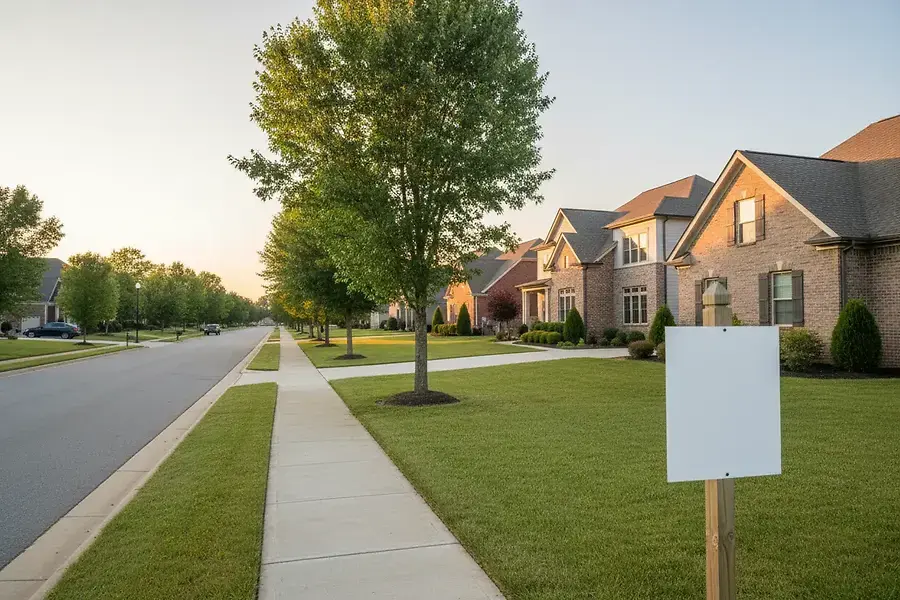
Understanding the Wake County Residential Market: Current Trends and Growth Opportunities
Wake County has emerged as one of North Carolina's most dynamic residential real estate markets, attracting investors from across the region and beyond. The area's consistent population growth, driven by the thriving Research Triangle tech corridor and expanding job market, creates a strong foundation for residential property investments.
The market demonstrates several compelling trends that savvy investors should understand:
- Steady appreciation rates that outpace many national averages, particularly in established neighborhoods
- Strong rental demand fueled by young professionals and families relocating to the area
- Diverse price points offering opportunities for investors at various capital levels
- Infrastructure development continuing to expand and improve throughout the county
Understanding these fundamentals helps investors recognize that Wake County isn't just a market—it's an ecosystem of opportunity. The combination of economic growth, demographic trends, and housing demand creates multiple pathways to profitability.
Identifying High-Potential Neighborhoods: From Emerging Areas to Established Communities
Success in residential real estate investing begins with location intelligence. Wake County offers distinct neighborhoods at different stages of development, each presenting unique investment opportunities.
Established Communities with Proven Track Records
Neighborhoods like North Raleigh, Cary's downtown corridor, and areas near Duke University offer stability and consistent appreciation. These communities feature:
- Strong school systems that attract families
- Established amenities and infrastructure
- Predictable rental markets with steady tenant demand
- Lower vacancy rates compared to emerging areas
Emerging Neighborhoods with Growth Potential
Areas undergoing revitalization or infrastructure improvements often present the best value opportunities. Look for neighborhoods with:
- Planned commercial or mixed-use development
- Improving school ratings and community services
- Below-market entry prices relative to comparable properties
- Strong demographic trends indicating future growth
Pro tip: Research county development plans and zoning changes. Properties positioned near future transit improvements or commercial centers often experience accelerated appreciation.
Investment Strategies for Different Property Types: Single-Family Homes, Multi-Unit Rentals, and Fix-and-Flip Opportunities
Single-Family Home Investments
Single-family rentals remain the most popular residential investment vehicle in Wake County. They offer:
- Easier financing and lower down payment requirements
- Simpler property management compared to multi-unit properties
- Strong tenant retention and stable cash flow
- Appreciation potential in growing neighborhoods
Focus on properties in family-oriented neighborhoods with good schools and convenient access to employment centers. These characteristics ensure consistent rental demand and competitive rental rates.
Multi-Unit Rental Properties
Duplexes, triplexes, and small apartment buildings provide higher cash flow potential and economies of scale. Consider this strategy if you:
- Have capital for larger down payments
- Can manage or hire professional property management
- Seek higher monthly income from a single property
- Want to leverage commercial financing options
Wake County's growing population of young professionals creates strong demand for multi-unit rental properties, particularly near employment centers and universities.
Fix-and-Flip Opportunities
Properties requiring renovation can offer substantial returns for investors with construction knowledge or reliable contractor relationships. Success requires:
- Accurate cost estimation for all repairs and upgrades
- Realistic timelines accounting for permitting and inspections
- Market knowledge of buyer preferences in your target neighborhood
- Exit strategy if the property doesn't sell as planned
The key to profitable flips is purchasing below market value. Look for properties with cosmetic issues rather than structural problems, and focus on upgrades that appeal to your target buyer demographic.
Making Your Move: Due Diligence, Financing, and Building Your Investment Portfolio
Conducting Thorough Due Diligence
Before committing capital, investigate every aspect of your potential investment:
- Property inspection: Hire a professional inspector to identify hidden issues
- Market analysis: Compare recent sales of similar properties in the area
- Rental market research: Verify rental rates and vacancy rates for your property type
- Neighborhood assessment: Visit at different times of day and research crime statistics
- Financial analysis: Calculate cash-on-cash returns and cap rates
Smart investors spend as much time analyzing a property as they do searching for it. Due diligence separates profitable investments from costly mistakes.
Securing Favorable Financing
Your financing strategy significantly impacts investment returns. Explore multiple options:
- Conventional mortgages offer competitive rates for primary investments
- Investment property loans provide flexibility for rental properties
- Portfolio loans allow investors to hold multiple properties under one lender
- Hard money lenders offer quick funding for fix-and-flip projects
Work with lenders experienced in investment properties. They understand the unique requirements of residential investment and can structure loans to maximize your returns.
Building a Diversified Portfolio
Successful investors don't rely on a single property or strategy. Build wealth by:
- Diversifying across neighborhoods and property types
- Balancing cash flow properties with appreciation plays
- Reinvesting profits into additional properties
- Maintaining adequate reserves for vacancies and repairs
Start with one or two properties while you develop expertise, then scale your portfolio strategically. Each successful investment builds equity and cash flow that funds future acquisitions.
Taking Action
The Wake County residential real estate market rewards informed, decisive investors. Begin by:
- Educating yourself about local market conditions
- Building relationships with real estate professionals
- Analyzing potential properties systematically
- Making your first investment with confidence
The best time to invest in real estate is when you're ready—and that time is now. Wake County's continued growth and strong fundamentals make it an ideal market for building residential real estate wealth.


