Residential Real Estate Trends Across Greater Seattle and Eastside Communities
Discover market insights and investment opportunities in Seattle, Edmonds, Kirkland, Mukilteo, Burien, and Normandy Park.

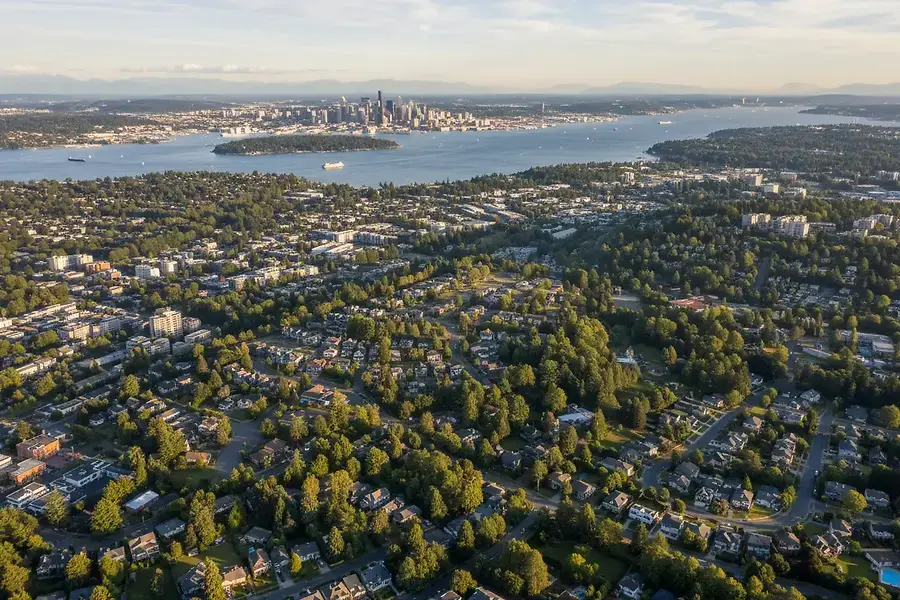
Understanding the Greater Seattle and Eastside Real Estate Market
The Greater Seattle and Eastside real estate market represents one of the Pacific Northwest's most dynamic and competitive landscapes. This region encompasses diverse communities, each with unique characteristics, demographics, and investment potential. Understanding the broader market context is essential for anyone looking to navigate these neighborhoods effectively.
The market has experienced significant evolution in recent years, driven by tech industry growth, population migration patterns, and changing lifestyle preferences. Buyers and investors are increasingly looking beyond traditional Seattle neighborhoods, exploring emerging opportunities in surrounding communities. This shift has created a more balanced market where multiple neighborhoods offer compelling value propositions.
Key factors influencing the market include:
- Employment Centers: Proximity to major tech hubs and corporate offices drives demand and pricing
- Transportation Infrastructure: Access to highways, public transit, and commute times significantly impact property values
- School Districts: Quality education remains a primary consideration for families relocating to the region
- Community Amenities: Parks, shopping, dining, and recreational facilities enhance neighborhood appeal
- Housing Supply: Limited inventory in desirable areas continues to support price appreciation
Neighborhood-by-Neighborhood Comparison: Strengths and Investment Potential
Seattle
Seattle remains the regional anchor, offering diverse neighborhoods from urban core to suburban periphery. Capitol Hill and Ballard attract young professionals with vibrant nightlife and walkability, while Green Lake and Wallingford appeal to families seeking established communities with excellent schools. West Seattle presents emerging opportunities for investors seeking value with growth potential.
Investment potential varies by neighborhood, with established areas commanding premium prices and emerging areas offering better entry points for value-conscious investors.
Edmonds
Edmonds combines small-town charm with urban convenience, featuring a picturesque waterfront and thriving downtown. The community attracts families and retirees seeking a slower pace while maintaining easy access to Seattle. Waterfront properties command premium prices, while downtown and residential neighborhoods offer solid appreciation potential with strong rental demand.
Kirkland
Kirkland has emerged as a premier Eastside destination, featuring upscale neighborhoods, excellent schools, and a vibrant downtown. The city's proximity to major tech employers and quality-of-life amenities make it highly desirable. Downtown Kirkland offers walkable urban living, while residential neighborhoods provide family-friendly environments with strong property values.
Mukilteo
Mukilteo offers waterfront living with a more affordable entry point than neighboring communities. The city's ferry connection to Whidbey Island and scenic views create unique appeal. Waterfront and bluff properties provide premium positioning, while interior neighborhoods offer excellent value for buyers seeking Puget Sound access without premium waterfront pricing.
Burien
Burien represents an emerging opportunity zone, offering more affordable pricing than established Seattle neighborhoods while maintaining convenient access to the city. The community is experiencing revitalization efforts and infrastructure improvements. Properties in Burien appeal to investors seeking value appreciation potential in an up-and-coming area.
Normandy Park
Normandy Park is an exclusive, gated community offering privacy and natural beauty. The neighborhood attracts affluent buyers seeking secluded living with maintained green spaces. Properties here command premium pricing due to exclusivity and limited inventory, making it ideal for luxury-focused investors.
Pricing Strategies and Market Timing for Residential Properties
Understanding Current Market Dynamics
Pricing strategies must account for neighborhood-specific factors, property condition, and market timing. Comparable market analysis (CMA) remains essential for accurate pricing, comparing similar properties sold recently in the same neighborhood.
Strategic Pricing Approaches
Competitive Pricing: In this market, pricing properties competitively from day one generates more showings and offers. Overpricing often results in extended marketing periods and eventual price reductions.
Value-Add Positioning: Properties with renovation potential can be positioned strategically to attract investors. Highlighting improvement opportunities while maintaining realistic pricing attracts the right buyer demographic.
Seasonal Considerations: Spring and early summer typically see increased buyer activity, while fall and winter offer less competition. Strategic timing can significantly impact sale velocity and final price.
Market Timing Insights
Successful investors monitor inventory levels, days-on-market trends, and price-per-square-foot metrics across neighborhoods. Low inventory periods favor sellers, while higher inventory requires more strategic positioning. Understanding these cycles helps investors identify optimal entry and exit points.
"The most successful real estate professionals understand that each neighborhood operates as its own micro-market with distinct dynamics and opportunities."
Positioning Yourself as a Local Expert in Multi-Market Communities
Develop Deep Neighborhood Knowledge
Becoming a trusted expert requires intimate knowledge of each community. Spend time in neighborhoods beyond showings—visit local businesses, attend community events, and understand the lifestyle each area offers. This authentic knowledge differentiates you from generalist agents.
Build Community Connections
Establish relationships with local business owners, community leaders, and long-time residents. These connections provide valuable insights into neighborhood trends, upcoming developments, and community sentiment that inform your market analysis.
Leverage Data and Analytics
Utilize market data platforms to track trends across neighborhoods. Monitor:
- Price trends and appreciation rates
- Inventory levels and absorption rates
- Days-on-market by neighborhood
- Demographic shifts and population trends
- Upcoming development projects and infrastructure improvements
Create Valuable Content
Share neighborhood insights through market reports, blog posts, and social media content. Highlight: neighborhood strengths, investment opportunities, lifestyle benefits, and market data. This positions you as a knowledgeable resource for buyers and investors.
Specialize and Differentiate
Consider developing specializations within your multi-market focus. Some agents excel with luxury properties, others with investment opportunities or first-time buyers. Your specialization should align with your expertise and market opportunities.
Success in the Greater Seattle and Eastside market requires commitment to continuous learning, authentic community engagement, and data-driven decision-making. By developing expertise across multiple neighborhoods while understanding each community's unique character, you position yourself as an invaluable resource for clients navigating this dynamic market.


