Residential to Commercial: How to Pivot Your Orlando Property Investment Strategy
Discover the key strategies for converting or diversifying your real estate portfolio in Orlando and Winter Park's dynamic market.

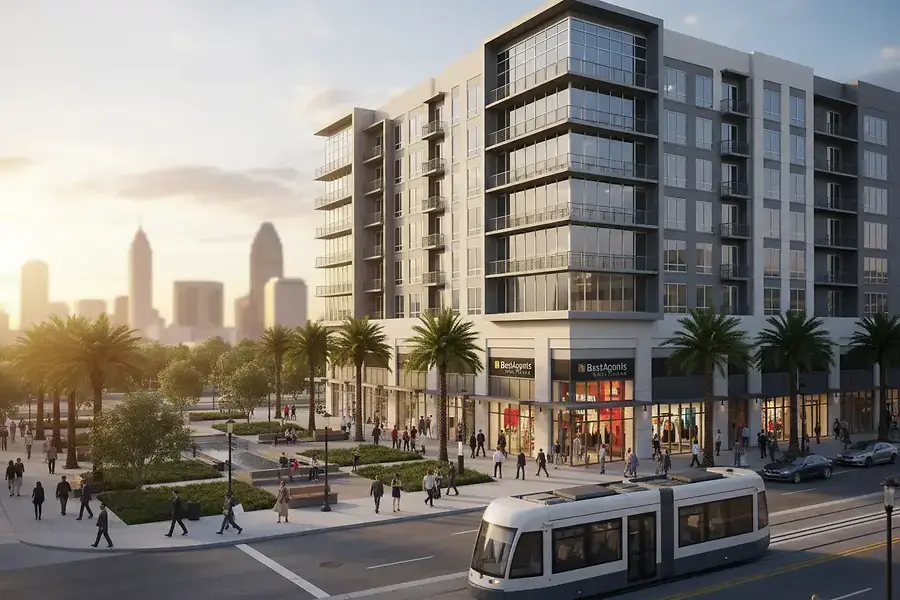
The Growing Demand for Mixed-Use Properties in Central Florida
Central Florida's real estate market is experiencing unprecedented growth, with investors increasingly recognizing the lucrative opportunities that come from mixed-use and commercial properties. The shift from purely residential investments to a more diversified portfolio has become a strategic move for savvy investors looking to maximize returns and adapt to changing market demands.
Orlando and Winter Park have emerged as prime locations for this transition, driven by population growth, tourism expansion, and the region's thriving business ecosystem. The demand for commercial spaces—from retail storefronts to office buildings and hospitality venues—continues to outpace supply, creating exceptional opportunities for investors willing to pivot their strategies.
Why make the switch? Commercial properties typically offer higher income potential, longer lease terms, and more stable cash flows compared to residential investments. For investors already holding residential properties in desirable locations, conversion or diversification presents a pathway to significantly enhance portfolio performance.
Understanding Your Property's Conversion Potential: Residential to Commercial Opportunities
Assessing Your Property's Viability
Not every residential property is suitable for commercial conversion, but many properties in Orlando and Winter Park possess the characteristics that make them ideal candidates. Before pursuing a conversion, evaluate the following factors:
- Location: Properties in high-traffic areas, near business districts, or along major commercial corridors are prime candidates for conversion.
- Zoning regulations: Check with local zoning boards to understand what commercial uses are permitted in your property's current zone.
- Building structure: Assess whether your property's layout, parking, and infrastructure can support commercial operations.
- Market demand: Research local commercial real estate trends to identify which business types are most needed in your area.
Conversion Strategies
There are several approaches to transitioning your residential property into a commercial asset:
Full Conversion: Transform your entire property into a commercial space. This might involve converting a single-family home into a boutique office, retail shop, or professional services location. This strategy works best for properties with excellent visibility and foot traffic.
Mixed-Use Development: Maintain residential units while adding commercial space on the ground floor or in a separate section. This approach maximizes property value and provides diversified income streams—residential tenants on upper floors with retail or office space below.
Adaptive Reuse: Repurpose your residential property for a completely different commercial function. Historic homes in Winter Park, for example, have been successfully converted into boutique hotels, restaurants, and event venues, commanding premium prices.
Regulatory and Financial Considerations
Converting residential property to commercial use requires navigating several important steps:
- Obtain zoning variance or conditional use permits from local authorities
- Conduct environmental assessments and building inspections
- Update insurance policies to reflect commercial use
- Ensure compliance with ADA accessibility requirements
- Budget for necessary renovations and upgrades to meet commercial building codes
The key to successful conversion is thorough due diligence. Understanding local regulations and market demand before investing in renovations can mean the difference between a profitable venture and a costly mistake.
Market Trends: Why Orlando and Winter Park Investors Are Diversifying Their Portfolios
The Commercial Real Estate Boom
Orlando's commercial real estate market is experiencing robust growth, driven by several compelling factors. The region's status as a global tourism destination, combined with its growing tech and healthcare sectors, has created unprecedented demand for commercial spaces.
Winter Park, known for its affluent demographics and vibrant downtown district, presents unique opportunities for upscale commercial conversions. The area's strong retail market and premium positioning make it ideal for boutique businesses, professional services, and specialty retail.
Why Diversification Matters
Investors who rely solely on residential properties face several challenges: increased vacancy rates during economic downturns, rising property management costs, and tenant turnover expenses. Commercial properties offer:
- Longer lease terms: Commercial leases typically run 3-10 years, compared to 1-2 years for residential, providing more stable income.
- Higher rental yields: Commercial properties often generate 6-12% annual returns, significantly higher than residential averages.
- Tenant quality: Business tenants tend to be more stable and reliable than residential tenants.
- Tax advantages: Commercial properties offer enhanced depreciation benefits and deductible business expenses.
Market Indicators Supporting Conversion
Several market indicators suggest this is an opportune time for residential-to-commercial pivots in Central Florida:
Population Growth: Central Florida's population continues to expand, increasing demand for retail, dining, and professional services.
Tourism Recovery and Growth: With tourism rebounding and expanding, hospitality and entertainment-related commercial spaces are in high demand.
Remote Work Evolution: The shift toward hybrid work models has created demand for flexible office spaces, co-working facilities, and professional service centers.
Retail Transformation: While traditional retail faces challenges, experiential retail, wellness services, and specialty shops continue to thrive in premium locations.
Taking the Next Step in Your Real Estate Investment Journey
Pivoting your Orlando property investment strategy from residential to commercial is a significant decision that requires careful planning and expert guidance. The potential rewards—higher income, greater stability, and portfolio diversification—make it an attractive option for forward-thinking investors.
Start by evaluating your current properties with fresh eyes. Which of your residential holdings are located in areas with strong commercial potential? Which properties have the physical characteristics needed for conversion? Once you've identified candidates, engage with local real estate professionals, zoning experts, and commercial brokers who understand the nuances of the Orlando and Winter Park markets.
The Central Florida real estate market is dynamic and full of opportunity. Whether you choose full conversion, mixed-use development, or adaptive reuse, the key is to act strategically and with thorough market knowledge. Your next investment breakthrough may be just one property conversion away.