Residential to Commercial: Real Estate Opportunities Across Richmond's Suburbs
Discover how mixed-use properties and conversion potential are reshaping investment strategies in Henrico, Chesterfield, and surrounding areas.

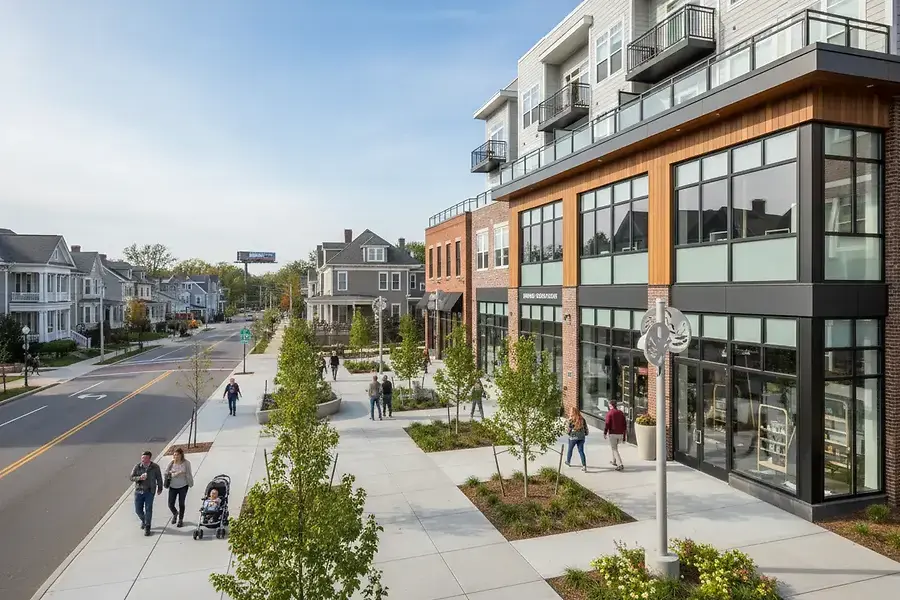
The Rise of Mixed-Use and Adaptive Real Estate Investing
The real estate landscape in Richmond's metropolitan area is undergoing a significant transformation. Investors and developers are increasingly recognizing the potential of properties that blur the lines between residential and commercial use. This shift represents more than just a trend—it's a fundamental change in how communities are being developed and how investors are building wealth.
Mixed-use properties and adaptive reuse projects have become the cornerstone of modern real estate strategy. Rather than viewing residential and commercial real estate as separate asset classes, forward-thinking investors are discovering that properties combining both uses can generate superior returns while meeting evolving community needs.
The suburbs surrounding Richmond—particularly Henrico and Chesterfield counties—are at the forefront of this movement. These areas offer the space, affordability, and demographic trends necessary for successful conversions and mixed-use developments.
Residential-to-Commercial Conversion Potential in Richmond Metro Communities
Understanding the Conversion Opportunity
Residential-to-commercial conversion involves transforming single-family homes, multi-unit residential buildings, or vacant properties into commercial spaces. This could include converting a residential property into office space, retail, professional services, or hospitality venues. The beauty of this strategy lies in its flexibility and the growing demand for such spaces in suburban communities.
Several factors make Richmond's suburbs ideal for these conversions:
- Zoning Evolution: Many suburban municipalities are updating zoning codes to encourage mixed-use development and adaptive reuse
- Demographic Shifts: Population growth and changing work patterns have created demand for neighborhood-based commercial spaces
- Affordability: Suburban properties remain more affordable than urban core locations, improving conversion economics
- Infrastructure: Established utilities and transportation networks support commercial operations
Key Suburban Markets Leading the Charge
Henrico County has emerged as a leader in adaptive reuse projects. The county's progressive approach to zoning and development incentives has attracted investors seeking conversion opportunities. Properties along major corridors like Broad Street and Parham Road offer excellent potential for mixed-use development.
Chesterfield County presents similar opportunities with additional advantages. The county's strong economic fundamentals and growing commercial demand create favorable conditions for residential-to-commercial conversions. Areas near major employment centers are particularly attractive.
Beyond these primary markets, surrounding communities in Hanover, Goochland, and Powhatan counties are beginning to see increased investor interest. These emerging markets often offer even greater upside potential for early movers.
Investment Returns and Market Trends Across Eight Key Suburban Markets
Market Performance and Opportunity Analysis
The financial case for residential-to-commercial conversion is compelling. Investors who successfully execute these projects typically experience:
- Higher cap rates compared to traditional residential rentals
- Longer lease terms with commercial tenants
- Increased property values through adaptive reuse premiums
- Diversified income streams through mixed-use configurations
Emerging Trends Shaping Investment Strategy
Remote Work Integration: The shift toward hybrid and remote work has created demand for neighborhood office spaces, co-working facilities, and professional service locations in suburban areas. Properties that can accommodate these uses are experiencing strong tenant interest and rental growth.
Experiential Retail and Services: Suburban investors are finding success with conversions targeting experiential retail, wellness services, fitness facilities, and dining establishments. These uses benefit from suburban locations and generate strong foot traffic.
Healthcare and Professional Services: Medical offices, dental practices, therapy centers, and other professional services are increasingly locating in suburban mixed-use properties. This trend is driven by patient convenience and lower operating costs compared to urban locations.
Live-Work-Play Communities: The most successful conversions are those that create integrated communities where residents can work, shop, and enjoy entertainment without leaving their neighborhood. Properties positioned to support this lifestyle are commanding premium valuations.
Financial Metrics and Performance Data
Recent market analysis shows that mixed-use properties in Richmond's suburbs are outperforming single-use residential investments. Properties with successful conversions are seeing:
- Average annual appreciation rates exceeding traditional residential properties by 15-25%
- Commercial lease rates providing 6-8% cap rates in stabilized properties
- Reduced vacancy periods due to diversified tenant bases
- Enhanced refinancing opportunities based on commercial income streams
Risk Considerations and Mitigation Strategies
While opportunities abound, successful investors understand the risks involved in conversion projects. Zoning challenges remain the primary hurdle, requiring careful due diligence and often professional guidance. Conversion costs can be substantial, necessitating accurate budgeting and contingency planning. Market timing is critical—understanding local commercial demand before committing capital is essential.
Smart investors mitigate these risks through thorough market research, professional property inspections, engagement with local planning departments, and conservative financial projections.
Positioning Your Portfolio for Success in Diversified Markets
The convergence of demographic trends, zoning evolution, and changing work patterns has created a unique window of opportunity in Richmond's suburban real estate market. Investors who recognize and act on these trends are positioning themselves for substantial long-term wealth creation.
The path forward requires:
- Deep understanding of local zoning regulations and development trends
- Careful market analysis to identify properties with conversion potential
- Professional partnerships with architects, contractors, and commercial brokers
- Financial discipline and realistic return projections
- Long-term perspective recognizing that conversions are not quick-flip opportunities
Richmond's suburbs are no longer simply bedroom communities. They're evolving into vibrant, mixed-use destinations where investors can build diversified portfolios generating strong returns. The residential-to-commercial conversion opportunity represents one of the most compelling investment strategies available in the region today.
For investors ready to embrace this evolution, the opportunities across Henrico, Chesterfield, and surrounding communities offer a compelling path to portfolio growth and market leadership.


