Residential vs. Commercial: Choosing the Right Investment for Rochester
Understand the key differences, investment strategies, and market opportunities across Rochester's nine communities.

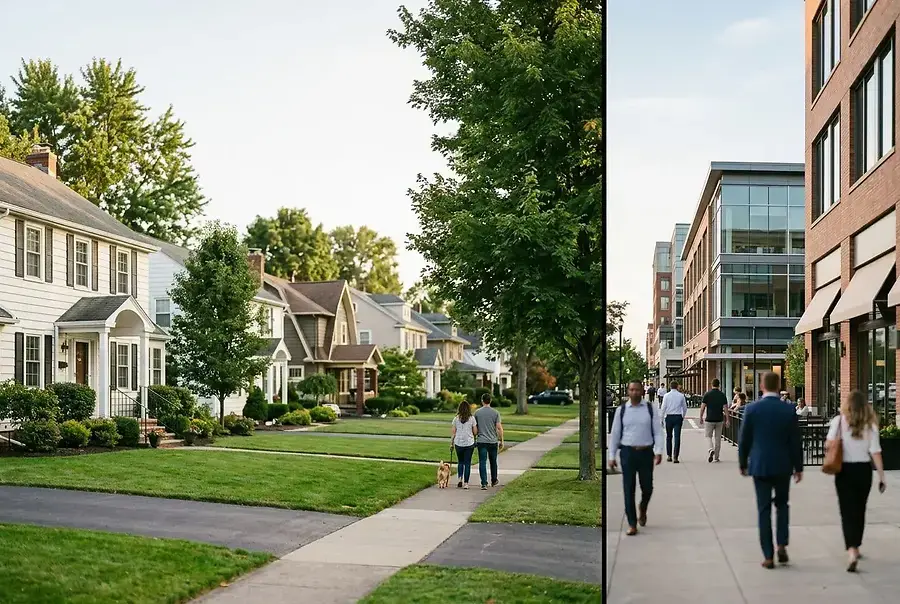
Introduction: The Residential and Commercial Real Estate Landscape in Greater Rochester
The Greater Rochester real estate market presents a diverse array of investment opportunities for both seasoned investors and first-time buyers. Whether you're considering residential properties or commercial ventures, understanding the distinctions between these two asset classes is crucial to making an informed decision. Rochester's nine distinct communities each offer unique characteristics, market dynamics, and growth potential that can significantly impact your investment returns.
The choice between residential and commercial real estate isn't simply about location—it's about aligning your investment strategy with your financial goals, risk tolerance, and available capital. Both sectors have demonstrated resilience and growth potential in the Rochester market, but they operate under different principles and require different expertise.
Residential Properties: What Buyers and Investors Should Know
Understanding the Residential Market
Residential real estate encompasses single-family homes, multi-family apartments, condominiums, and townhouses. This sector remains the most accessible entry point for new investors and homebuyers alike. The residential market in Rochester benefits from strong community demand, stable rental income potential, and relatively straightforward financing options.
Key Advantages of Residential Investment
- Easier Financing: Residential properties typically qualify for conventional mortgages with favorable terms and lower interest rates compared to commercial properties.
- Lower Entry Costs: Residential properties generally require smaller down payments and have more flexible lending requirements.
- Stable Tenant Base: Families and individuals seeking housing provide consistent, long-term rental income with lower turnover rates.
- Emotional Appeal: Residential properties attract a broader buyer pool, making them easier to sell when needed.
- Tax Benefits: Homeowners and residential investors enjoy various tax deductions and capital gains advantages.
Considerations and Challenges
While residential properties offer accessibility, they come with their own set of challenges. Tenant management requires attention to maintenance requests, lease agreements, and potential vacancy periods. Maintenance costs can be unpredictable, and property appreciation tends to be more modest compared to commercial properties in high-growth areas.
Additionally, residential investors must navigate fair housing laws, tenant rights regulations, and local zoning ordinances. The emotional aspect of dealing with families and individuals can sometimes complicate business decisions.
Residential Investment Strategies
- Buy and Hold: Purchase properties for long-term appreciation and steady rental income across Rochester's stable neighborhoods.
- House Flipping: Identify undervalued properties, renovate them, and sell for profit in appreciating communities.
- Multi-Family Investments: Acquire apartment buildings or duplexes to generate multiple income streams from a single property.
- First-Time Homebuyer Focus: Target properties that appeal to young families and professionals relocating to Rochester.
Commercial Properties: Opportunities and Considerations for Business-Minded Investors
Understanding the Commercial Market
Commercial real estate includes office buildings, retail spaces, industrial warehouses, and mixed-use developments. The commercial sector in Rochester has experienced significant growth, driven by business expansion, technological innovation, and urban revitalization initiatives across the nine communities.
Key Advantages of Commercial Investment
- Higher Income Potential: Commercial properties generate substantially higher rental income per square foot compared to residential units.
- Longer Lease Terms: Tenants typically sign multi-year leases, providing predictable, stable cash flow with minimal turnover.
- Professional Tenants: Business operators are motivated to maintain properties and honor lease obligations to protect their operations.
- Greater Appreciation: Commercial properties in growth corridors often appreciate faster than residential properties.
- Diversification: Multiple commercial tenants reduce dependency on a single income source.
- Tax Advantages: Commercial investors benefit from accelerated depreciation schedules and significant deduction opportunities.
Challenges and Risk Factors
Commercial real estate requires more sophisticated analysis and carries distinct risks. Higher capital requirements mean larger down payments and more substantial financing needs. Economic sensitivity means that commercial properties are more vulnerable to economic downturns and business cycles.
Additionally, commercial investors must understand market fundamentals like absorption rates, vacancy trends, and tenant credit quality. Specialized expertise is often necessary to evaluate properties effectively, and management complexity increases with larger, multi-tenant properties.
Commercial Investment Strategies
- Anchor Tenant Properties: Invest in retail or office spaces with established, creditworthy tenants providing stable income.
- Industrial Warehousing: Capitalize on e-commerce growth and logistics demand in Rochester's strategic location.
- Mixed-Use Development: Combine residential and commercial elements to maximize property value and diversify income streams.
- Opportunity Zone Investments: Leverage tax incentives for investments in designated growth areas across Rochester's communities.
Conclusion: Choosing Between Residential and Commercial Real Estate in Your Area
The decision between residential and commercial real estate investment in Rochester ultimately depends on your individual circumstances, investment objectives, and risk tolerance. Choose residential properties if: you're seeking accessible entry into real estate investing, prefer stable, long-term appreciation, want easier financing options, or plan to live in one of your properties.
Choose commercial properties if: you have substantial capital available, seek higher income potential, prefer longer lease terms and professional tenants, are comfortable with more complex analysis, or want to diversify across multiple business tenants.
Rochester's nine diverse communities offer compelling opportunities in both sectors. Whether you're drawn to the accessibility and stability of residential properties or the income potential and appreciation of commercial assets, success requires thorough market research, proper due diligence, and a clear investment strategy aligned with your financial goals. Consider consulting with local real estate professionals, financial advisors, and investment specialists who understand Rochester's unique market dynamics to make the most informed decision for your investment portfolio.