Residential vs. Commercial Real Estate Investments in Southeast Alabama
Understand the key differences, investment strategies, and profit potential for each property type in Dothan, Houston County, Henry County, Dale County, and Geneva

Introduction: Understanding Your Real Estate Investment Options
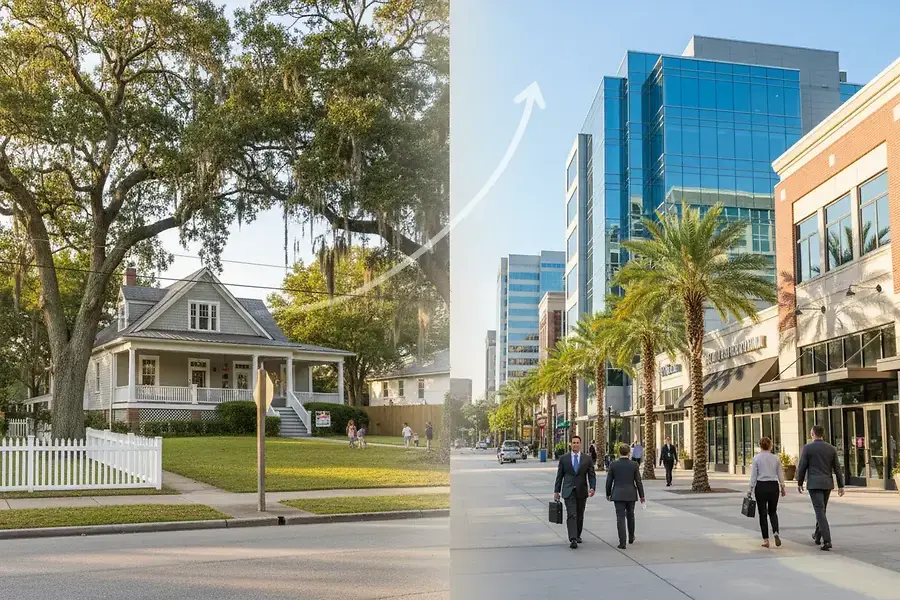
Real estate investment in Southeast Alabama presents a unique opportunity for investors seeking to build wealth and generate income. Whether you're considering residential properties or commercial ventures, understanding the fundamental differences between these two investment types is crucial to making an informed decision. The regions of Dothan, Houston County, Henry County, Dale County, and Geneva offer diverse opportunities for both residential and commercial investors, each with distinct advantages and challenges.
The choice between residential and commercial real estate depends on your financial capacity, risk tolerance, time commitment, and long-term investment goals. This guide will help you navigate the key differences and determine which investment path is right for you.
Residential Properties: Building Long-Term Wealth and Steady Income Streams
Understanding Residential Real Estate
Residential properties include single-family homes, multi-family units, townhouses, and condominiums. These properties are designed for individuals and families to live in, making them one of the most accessible entry points for new investors in Southeast Alabama.
Key Advantages of Residential Investments
- Lower Entry Barriers: Residential properties typically require lower down payments and are easier to finance through traditional mortgages.
- Steady Tenant Base: People always need places to live, ensuring consistent demand for rental properties.
- Easier Property Management: Managing residential tenants is generally simpler than commercial operations.
- Appreciation Potential: Residential properties in growing areas like Dothan and Houston County have shown steady appreciation over time.
- Tax Benefits: Investors can deduct mortgage interest, property taxes, maintenance costs, and depreciation.
Challenges and Considerations
Residential investments come with their own set of challenges. Tenant turnover can be frequent, leading to vacancy periods and additional marketing costs. Maintenance and repairs are ongoing responsibilities, and tenant disputes may require legal intervention. Additionally, residential properties typically generate lower cash-on-cash returns compared to commercial properties, though they offer more stable, long-term wealth building.
Investment Strategy for Residential Properties
Successful residential investors in Southeast Alabama focus on properties in growing neighborhoods with strong rental demand. Multi-family units in areas like Dothan offer better cash flow than single-family homes. Consider properties near military installations, universities, or employment centers to ensure consistent tenant demand. The buy-and-hold strategy works exceptionally well for residential properties, allowing you to benefit from both rental income and property appreciation.
Commercial Properties: Higher Returns and Strategic Business Opportunities
Understanding Commercial Real Estate
Commercial properties include office buildings, retail spaces, warehouses, industrial facilities, and mixed-use developments. These properties are leased to businesses rather than individuals, creating a fundamentally different investment dynamic.
Key Advantages of Commercial Investments
- Higher Cash Flow: Commercial leases typically generate significantly higher monthly income than residential properties.
- Longer Lease Terms: Commercial tenants often sign multi-year leases, providing income stability and reducing turnover.
- Professional Tenants: Businesses are typically more reliable payers and maintain properties better than residential tenants.
- Triple Net Leases: Many commercial leases shift maintenance, insurance, and tax responsibilities to tenants, reducing landlord expenses.
- Scalability: Commercial properties offer opportunities to build larger portfolios and achieve greater returns on investment.
Challenges and Considerations
Commercial real estate requires significant capital investment and typically demands 20-25% down payments. The market is more sensitive to economic cycles, and finding quality tenants can be challenging. Longer vacancy periods can significantly impact cash flow, and commercial properties require more sophisticated management and expertise. Additionally, commercial real estate is less liquid than residential properties, making it harder to exit investments quickly if needed.
Investment Strategy for Commercial Properties
Successful commercial investors in Southeast Alabama identify properties in high-traffic areas with strong business fundamentals. Retail spaces in Dothan's growing commercial districts and industrial properties in Houston County near major transportation corridors offer excellent opportunities. Consider the local business environment, employment growth, and demographic trends. Long-term leases with established businesses provide the most stable returns, while ground leases and build-to-suit arrangements can offer premium returns for experienced investors.
Making Your Choice: Which Investment Type Aligns with Your Goals and Resources
Evaluating Your Financial Capacity
Capital Requirements: Residential properties require less upfront capital, making them ideal for investors with limited funds. Commercial properties demand substantial investment but generate higher returns. Cash Flow Needs: If you need immediate income, commercial properties may be more suitable. If you can wait for long-term appreciation, residential properties work well.
Assessing Your Time and Expertise
Residential properties require hands-on management or hiring property managers. Commercial properties demand deeper market knowledge and business acumen but may require less day-to-day involvement. Consider whether you have the time to manage tenants, handle maintenance issues, and stay informed about market conditions.
Risk Tolerance and Investment Timeline
Residential investments offer more predictable, stable returns with lower volatility. Commercial investments carry higher risk but offer greater profit potential. Your investment timeline matters significantly—residential properties suit long-term buy-and-hold strategies, while commercial properties can work for both short-term and long-term investors depending on the specific opportunity.
Market Conditions in Southeast Alabama
The Southeast Alabama market, particularly in Dothan and Houston County, shows strong fundamentals for both residential and commercial investments. Residential properties benefit from steady population growth and affordable pricing, while commercial properties capitalize on business expansion and infrastructure development. Henry County, Dale County, and Geneva offer emerging opportunities for investors seeking less competitive markets with growth potential.
Creating a Balanced Portfolio
Many successful investors don't choose between residential and commercial properties—they build diversified portfolios that include both. Starting with residential properties to build capital and experience, then transitioning to commercial investments as your expertise and resources grow, is a proven strategy. This approach allows you to benefit from the stability of residential income while capturing the higher returns of commercial ventures.
Final Recommendations
Choose residential properties if: You're a new investor with limited capital, prefer stable long-term wealth building, want easier financing and management, or seek properties in growing residential areas of Southeast Alabama.
Choose commercial properties if: You have substantial capital, seek higher cash flow and returns, possess business expertise, can manage longer vacancy periods, or identify strong commercial opportunities in Dothan's business districts or industrial corridors.
The best investment choice depends on your unique circumstances, goals, and resources. Whether you invest in residential properties for steady income and appreciation or pursue commercial ventures for higher returns, Southeast Alabama offers compelling opportunities. Take time to analyze the local market, understand your financial position, and align your investment strategy with your long-term objectives. Consider consulting with local real estate professionals and financial advisors to make the most informed decision for your investment journey.


