Residential vs Commercial Real Estate: Which Investment Path Fits Your DFW Goals
Discover the key differences between residential and commercial properties in the Dallas-Fort Worth market and learn which strategy aligns with your financial objectives.

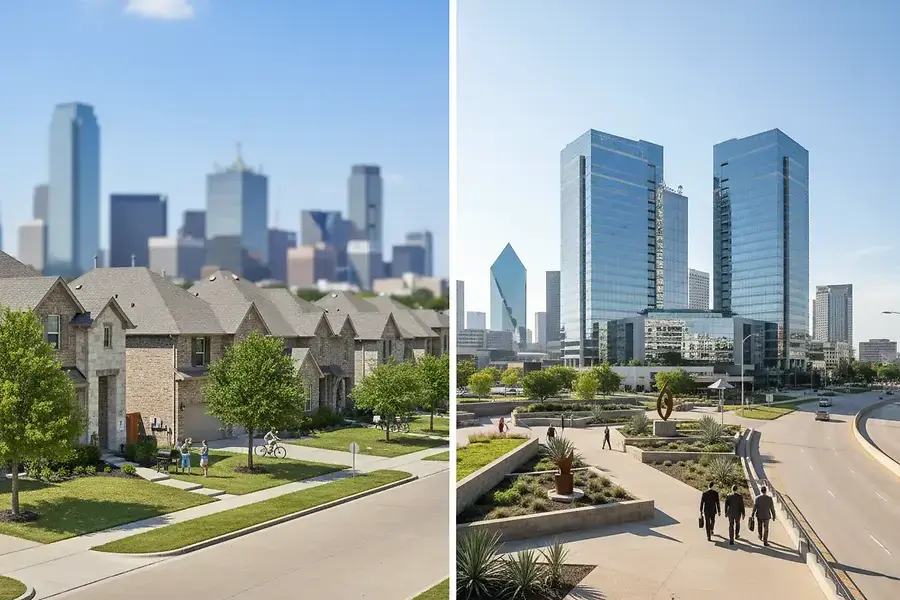
Understanding Residential and Commercial Real Estate Fundamentals
When considering real estate investment in the Dallas-Fort Worth region, one of the most critical decisions you'll face is choosing between residential and commercial properties. Each asset class offers distinct characteristics, benefits, and challenges that can significantly impact your investment journey.
What Defines Residential Real Estate?
Residential properties include single-family homes, apartments, condominiums, and multi-unit dwellings designed for personal occupancy. These properties are typically easier to understand for first-time investors because most people have experience living in residential spaces. The tenant base is broad, and the market is generally more liquid, meaning properties can be bought and sold more quickly.
- Lower entry costs compared to commercial properties
- Simpler financing options and more favorable loan terms
- Easier property management for smaller portfolios
- Emotional appeal and straightforward valuation methods
What Defines Commercial Real Estate?
Commercial properties encompass office buildings, retail spaces, industrial warehouses, and mixed-use developments. These properties are leased to businesses rather than individuals, creating a fundamentally different investment dynamic. Commercial real estate typically requires more capital, specialized knowledge, and professional management.
- Higher income potential through longer lease terms
- Professional tenants with established credit histories
- Larger property sizes and higher acquisition costs
- More complex financing and valuation processes
Market Dynamics and Investment Returns in DFW's Residential and Commercial Sectors
The DFW Residential Market Landscape
The Dallas-Fort Worth metropolitan area has experienced remarkable residential growth over the past decade. The region's booming job market, affordable housing compared to other major metros, and business-friendly environment have attracted thousands of new residents annually. This consistent population growth creates steady demand for rental properties and strong appreciation potential.
Key advantages of DFW residential investing:
- Population growth outpacing national averages
- Diverse neighborhoods catering to various income levels
- Strong rental demand from young professionals and families
- Reasonable property prices relative to rental income potential
The DFW Commercial Market Opportunity
DFW's commercial real estate sector has transformed into a powerhouse, attracting major corporations and creating significant commercial development. The region's strategic location, diverse economy, and growing business infrastructure make it an attractive destination for commercial investors seeking higher returns.
Key advantages of DFW commercial investing:
- Corporate relocations bringing stable, long-term tenants
- Higher cap rates compared to residential properties
- Longer lease terms providing income stability
- Professional tenant relationships reducing management complexity
Comparing Returns and Cash Flow
Residential properties typically generate moderate, consistent cash flow with appreciation as the primary wealth-building tool. Commercial properties often provide higher cap rates and cash-on-cash returns, though they require larger initial investments. The choice depends on your available capital and income objectives.
Success in real estate investing isn't about choosing the "best" property type—it's about selecting the investment that aligns with your specific financial situation and goals.
Evaluating Your Financial Goals and Risk Tolerance to Choose the Right Investment Path
Assessing Your Capital and Liquidity Needs
Your available capital is often the first determining factor. Residential properties typically require 15-25% down payments and are more accessible to individual investors. Commercial properties usually demand 20-30% down payments and may require proof of significant liquid reserves. Consider not just your down payment capacity, but also your ability to cover unexpected expenses and maintain properties during vacancy periods.
Understanding Your Income Requirements
Are you seeking immediate cash flow or long-term appreciation? Residential investors often accept lower monthly returns in exchange for easier management and steady appreciation. Commercial investors typically prioritize higher current income through superior cap rates and longer lease terms. Your personal financial situation should guide this decision.
Evaluating Time and Expertise
Residential properties demand more hands-on management, from tenant screening to maintenance coordination. Commercial properties require less frequent tenant interaction but demand stronger financial analysis and market knowledge. Honestly assess how much time you can dedicate to your investment and whether you prefer direct involvement or delegating to professional managers.
Risk Tolerance Considerations
Residential investing carries: Tenant turnover risk, maintenance surprises, and market sensitivity to economic downturns affecting renters' employment.
Commercial investing carries: Larger capital requirements, longer vacancy periods, and dependence on business cycles and corporate decisions.
Getting Started: Next Steps for Dallas-Fort Worth Property Investors
Research Your Target Market
Whether choosing residential or commercial, deep market knowledge is essential. Study DFW neighborhoods, employment centers, development trends, and demographic shifts. Understanding local market dynamics helps you identify undervalued opportunities and anticipate future growth areas.
Build Your Investment Team
Successful real estate investors surround themselves with professionals: experienced real estate agents, knowledgeable accountants, qualified attorneys, and trusted property managers. These relationships become invaluable as your portfolio grows.
Start with Your Strengths
If you're new to investing, consider starting with residential properties to build experience and capital. Many successful investors begin with single-family homes or small multi-unit properties before transitioning to commercial investments. This approach allows you to learn the business while building equity.
Create a Long-Term Strategy
Your first investment shouldn't be your last. Develop a comprehensive strategy outlining your five-year and ten-year goals. Will you build a residential portfolio and eventually transition to commercial? Will you focus exclusively on one property type? Your strategy should evolve as your experience and capital grow.
Take Action Today
The best time to start investing in DFW real estate was yesterday; the second-best time is today. Whether you choose residential or commercial properties, the key is beginning your journey with education, careful planning, and decisive action. The Dallas-Fort Worth market offers tremendous opportunities for investors willing to do their homework and commit to their strategy.


