Retail Expansion Strategies for Huntsville Commercial Markets
A practical guide to identifying high-traffic locations and evaluating lease terms for retail success in Huntsville.

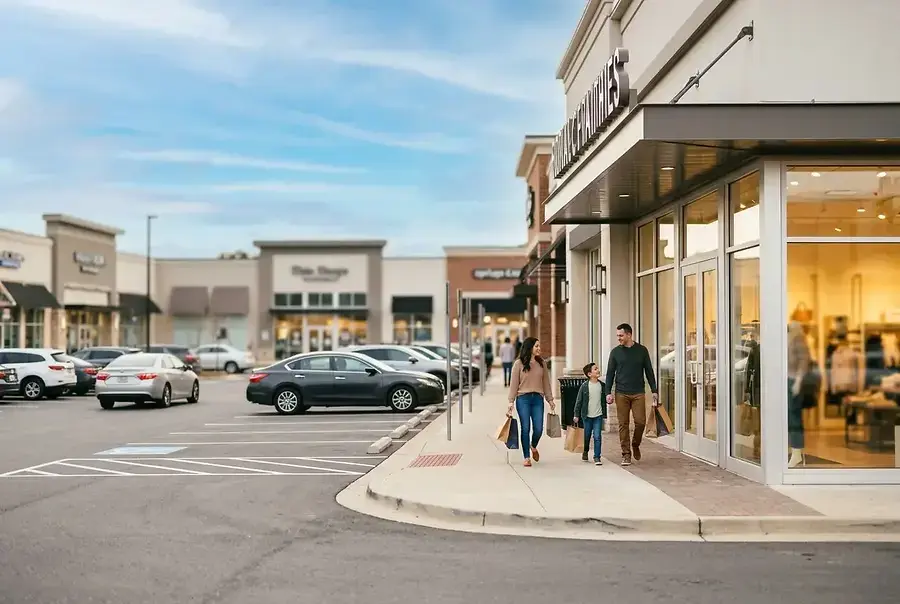
Understanding Huntsville's Retail Landscape and Customer Demographics
Huntsville's retail market has experienced significant growth, driven by a diverse and expanding population. The city attracts both established retailers and ambitious entrepreneurs seeking to capitalize on emerging opportunities. Understanding the local market dynamics is crucial before making any expansion decisions.
The demographic profile of Huntsville shoppers reveals a mix of young professionals, families, and established residents with varying purchasing power. Key demographic segments include:
- Tech industry professionals and aerospace workers with higher disposable income
- Growing families seeking convenient shopping solutions
- College-educated consumers who value quality and sustainability
- Diverse ethnic communities with unique shopping preferences
Successful retailers recognize that customer preferences in Huntsville lean toward convenience, quality, and community-focused businesses. The market rewards businesses that understand local values and adapt their offerings accordingly.
Evaluating Location Potential: Foot Traffic, Visibility, and Accessibility
Analyzing Foot Traffic Patterns
Foot traffic remains one of the most critical factors in retail success. Before committing to a location, conduct thorough traffic analysis during peak and off-peak hours. Consider these evaluation methods:
- Count pedestrian traffic at different times of day and days of the week
- Analyze nearby anchor tenants and their customer draw
- Review traffic data from commercial real estate databases
- Observe customer behavior patterns and dwell times
Huntsville's retail corridors vary significantly in traffic volume. High-traffic areas near shopping centers, office parks, and residential developments typically offer better visibility and customer accessibility.
Visibility and Signage Considerations
A location's visibility directly impacts your ability to attract walk-in customers. Evaluate visibility by assessing:
- Proximity to major roads and intersections
- Sight lines from approaching traffic
- Existing signage restrictions and opportunities
- Competition for customer attention in the area
Corner locations and end-cap spaces typically command premium prices but offer superior visibility. However, the highest rent doesn't always guarantee the best returns. Balance visibility with affordability to maximize your profit margins.
Accessibility and Parking Infrastructure
Convenient parking and easy access are non-negotiable for retail success. Customers will avoid locations where parking is difficult or expensive. Evaluate:
- Available parking spaces and parking ratios
- Proximity of parking to your retail entrance
- Traffic flow patterns within the parking area
- ADA compliance and accessibility features
Pro Tip: Locations with ample, free, and easily accessible parking consistently outperform those with limited parking options, regardless of other advantages.
Negotiating Favorable Lease Terms and Build-Out Agreements
Understanding Lease Structure
Commercial leases in Huntsville typically include base rent, common area maintenance (CAM) fees, and property taxes. Key lease components to negotiate include:
- Base rental rate and annual escalation clauses
- Tenant improvement allowances (TIA)
- Lease term length and renewal options
- Operating expense caps and exclusions
Don't accept the landlord's initial offer. Most commercial leases have built-in negotiation flexibility. Work with a commercial real estate broker or attorney to identify opportunities for better terms.
Negotiating Build-Out Agreements
Build-out costs can significantly impact your startup expenses. Many landlords offer tenant improvement allowances to attract quality tenants. Negotiate for:
- Higher TIA percentages to cover more construction costs
- Flexibility in design and layout decisions
- Clear timelines for completion and occupancy
- Responsibility allocation for cost overruns
A well-negotiated build-out agreement can save thousands of dollars and ensure your space meets your specific operational needs.
Protecting Your Investment
Include protective clauses in your lease agreement. Request co-tenancy clauses that allow lease termination if anchor tenants leave, and ensure your lease includes favorable renewal options. Essential protections include:
- Right of first refusal for adjacent spaces
- Co-tenancy and anchor tenant protections
- Exclusive use clauses preventing direct competition
- Termination rights for non-performance by landlord
Building Your Retail Success Plan in Huntsville's Competitive Market
Developing a Comprehensive Site Selection Strategy
Successful retail expansion requires a systematic approach to site selection. Create a scoring matrix that evaluates:
- Location demographics and target market alignment
- Foot traffic and visibility metrics
- Lease terms and financial feasibility
- Competition and market saturation levels
- Growth potential and long-term viability
This data-driven approach removes emotion from decision-making and increases your likelihood of success.
Financial Planning and ROI Analysis
Before signing any lease, conduct thorough financial projections. Calculate your break-even point, expected return on investment, and payback period. Conservative financial estimates help you avoid overcommitting resources.
Factor in all costs including rent, utilities, staffing, inventory, and marketing. Ensure your projected revenue supports these expenses while generating acceptable profit margins.
Building Community Connections
Huntsville's retail success often depends on community engagement. Build local relationships by:
- Participating in local business associations
- Supporting community events and initiatives
- Developing partnerships with complementary businesses
- Creating a unique brand identity that resonates locally
Retailers who invest in their communities benefit from word-of-mouth marketing, customer loyalty, and collaborative opportunities that drive long-term success.
Monitoring and Adapting Your Strategy
Retail markets evolve continuously. Monitor your location's performance against initial projections and be prepared to adapt your strategy. Track foot traffic trends, customer feedback, and competitive changes to stay ahead of market shifts.
Success in Huntsville's retail market requires combining thorough research, strategic negotiation, and community engagement. By following these guidelines, you'll position your retail business for sustainable growth and profitability in this dynamic market.


