Retail Leasing Strategies for Growing Businesses Across Wisconsin
Expert guidance on securing the right retail space in high-traffic Wisconsin markets from Milwaukee to Green Bay.

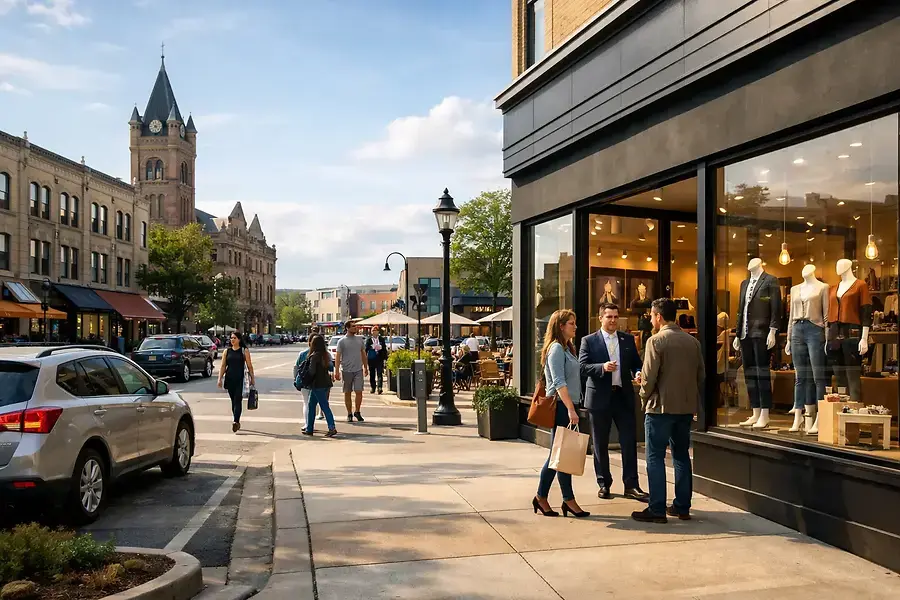
Introduction: The Importance of Strategic Retail Location Selection
Choosing the right retail location is one of the most critical decisions a growing business can make. Your storefront's location directly impacts foot traffic, customer accessibility, operational costs, and ultimately, your bottom line. In Wisconsin, a state with diverse markets ranging from urban centers to suburban communities, finding the ideal retail space requires careful planning and market knowledge.
Whether you're expanding an existing business or launching a new retail venture, understanding the nuances of Wisconsin's commercial real estate landscape is essential. The right location can accelerate growth, while a poor choice can hinder success before you even open your doors. This guide provides actionable insights to help you navigate the retail leasing process and secure a space that aligns with your business goals.
Understanding Wisconsin's Retail Market Landscape and Regional Variations
Milwaukee: The Urban Retail Hub
Milwaukee remains Wisconsin's largest retail market, offering diverse opportunities for businesses seeking urban exposure. The downtown corridor, along with neighborhoods like Shorewood and Wauwatosa, attracts significant foot traffic and offers access to affluent demographics. Retail spaces in these areas command premium rents but provide unmatched visibility and customer reach.
Key advantages:
- High population density and consistent foot traffic
- Strong public transportation infrastructure
- Diverse customer base with varying income levels
- Established commercial corridors with proven retail success
Madison: The College Town Market
Madison's retail landscape is shaped by its large student population and educated workforce. The downtown area and surrounding neighborhoods offer unique opportunities for businesses targeting younger demographics. Retail spaces near the University of Wisconsin campus and State Street corridor experience seasonal fluctuations but offer excellent long-term potential.
Market characteristics:
- Young, educated consumer base
- Seasonal variations tied to academic calendar
- Growing tech and professional services sector
- Strong community engagement and local business support
Green Bay and Regional Markets
Green Bay and other regional markets present excellent opportunities for businesses seeking lower overhead costs and tight-knit communities. These markets offer more affordable retail space while maintaining solid foot traffic, particularly in established shopping districts and downtown revitalization areas.
Regional market benefits:
- Lower rental rates compared to major urban centers
- Strong community loyalty and repeat customer base
- Less competition in specialized retail categories
- Growing downtown revitalization initiatives
Key Factors for Evaluating Retail Properties: Foot Traffic, Demographics, and Accessibility
Analyzing Foot Traffic Patterns
Foot traffic is the lifeblood of retail success. Before committing to a lease, conduct thorough traffic analysis during peak and off-peak hours. Count pedestrians passing your potential storefront, observe customer behavior patterns, and identify peak shopping times. Professional traffic counting services can provide detailed data to support your decision-making process.
Consider the types of businesses nearby—complementary retailers can drive mutual foot traffic, while competing businesses might dilute your customer base. A location near anchor tenants like grocery stores or popular restaurants often benefits from increased pedestrian activity.
Understanding Your Target Demographics
Demographic alignment is crucial for retail success. Analyze the age, income level, education, and lifestyle characteristics of people living and working near your potential location. Does this population match your ideal customer profile?
Essential demographic considerations:
- Median household income and spending patterns
- Age distribution and family composition
- Education levels and professional occupations
- Population growth trends in the area
- Ethnic and cultural diversity
Wisconsin's demographic landscape varies significantly by region. Urban areas offer diverse, higher-income populations, while suburban and rural markets may have more homogeneous but loyal customer bases.
Evaluating Accessibility and Visibility
A retail space's accessibility directly impacts customer convenience and sales potential. Evaluate parking availability, public transportation access, and ease of entry from major roads. High visibility from main thoroughfares is invaluable for attracting impulse shoppers and building brand awareness.
Accessibility factors to assess:
- Proximity to major highways and arterial roads
- Availability of adequate parking (minimum 3-5 spaces per 1,000 sq ft)
- Public transportation options and frequency
- Pedestrian-friendly infrastructure and sidewalk conditions
- Traffic patterns and ease of turning into the location
- Visibility from the street and signage opportunities
In Wisconsin's climate, consider seasonal accessibility challenges. Winter weather can impact foot traffic and parking availability, so evaluate how your location functions during snow and ice conditions.
Lease Terms and Financial Considerations
Beyond location factors, carefully review lease terms and financial obligations. Negotiate favorable terms including lease length, renewal options, rent escalation clauses, and tenant improvement allowances. Understand what's included in your rent—utilities, maintenance, property taxes, and common area charges—to accurately project operating costs.
Request detailed information about the property's condition, required renovations, and any upcoming capital improvements. Factor these costs into your financial projections and negotiate accordingly with landlords.
Conclusion: Partner with Local Commercial Experts to Find Your Ideal Retail Space
Securing the right retail location in Wisconsin requires a strategic approach combining market knowledge, demographic analysis, and careful property evaluation. Whether you're targeting Milwaukee's urban energy, Madison's educated consumer base, or Green Bay's community-focused markets, success depends on thorough due diligence and informed decision-making.
Don't navigate this process alone. Partner with experienced commercial real estate brokers and local market experts who understand Wisconsin's unique retail landscape. These professionals can provide valuable insights into market trends, negotiate favorable lease terms, and help you avoid costly mistakes.
By carefully evaluating foot traffic patterns, understanding your target demographics, and assessing accessibility factors, you'll be well-positioned to select a retail location that drives business growth and long-term success. Take the time to get this decision right—your business's future depends on it.