Retail Space Selection: Key Factors for Oklahoma City Tenants
A practical guide to evaluating and securing the right retail location for your business in Oklahoma City's competitive commercial market.

Introduction: The Critical Role of Location in Retail Success
For retail business owners, the adage "location, location, location" remains as true today as ever. In Oklahoma City's dynamic and growing commercial market, choosing the right retail space can mean the difference between a thriving business and a struggling venture. The decision extends far beyond simply finding an available storefront—it requires careful analysis of multiple factors that directly impact your bottom line.
Whether you're launching a new boutique, expanding an existing chain, or opening a flagship store, understanding the nuances of Oklahoma City's retail landscape is essential. This guide walks you through the critical considerations that will help you make an informed decision and secure a space that positions your business for success.
Foot Traffic Patterns and Customer Demographics in Oklahoma City Retail Districts
Understanding Traffic Flow and Visibility
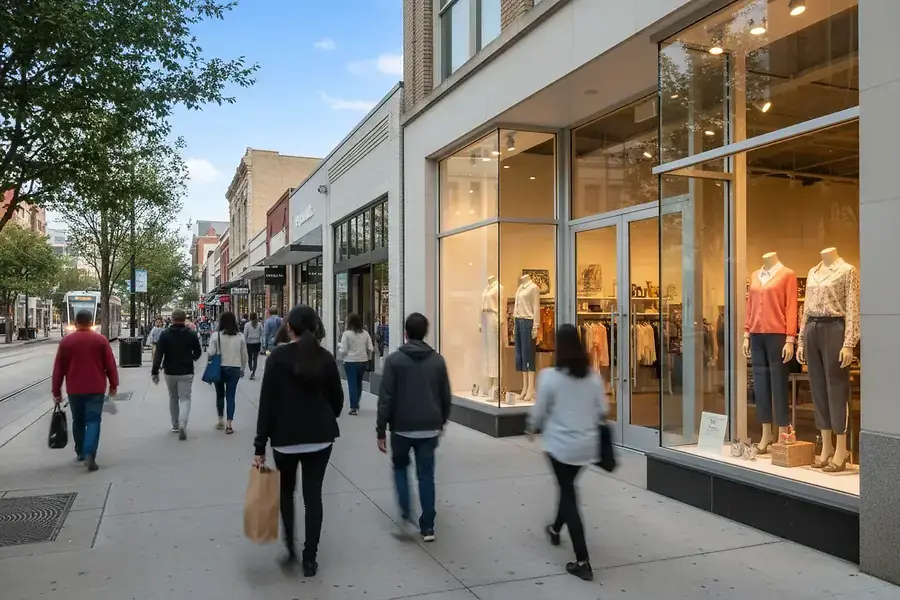
Foot traffic is the lifeblood of retail success. Before committing to any space, spend time observing the location during different times of day and on various days of the week. Count pedestrians, note peak hours, and assess the quality of foot traffic—not all foot traffic is created equal. A busy street filled with commuters rushing to work may not translate to customers stopping in your store.
Visibility is equally important. Can potential customers easily see your storefront from the street? Is your signage visible from a distance? Consider the sightlines from major roads and parking areas. In Oklahoma City's diverse retail districts—from Midtown's trendy corridors to the bustling Bricktown area—visibility requirements vary significantly.
Analyzing Customer Demographics
Understanding who lives, works, and shops in your target area is crucial. Demographic analysis should include:
- Age distribution of the surrounding population
- Household income levels and spending patterns
- Education levels and professional composition
- Family status and household size
- Shopping preferences and retail habits
Oklahoma City offers diverse neighborhoods with distinct demographic profiles. The Uptown area attracts young professionals and affluent shoppers, while neighborhoods like Edmond and Norman draw families seeking suburban convenience. Match your retail concept to the demographic composition of your chosen location.
Evaluating Nearby Competition and Complementary Retailers
Analyze what other retailers operate in the area. While direct competition might seem undesirable, complementary businesses can actually drive foot traffic to your location. A coffee shop benefits from proximity to bookstores, and clothing boutiques thrive near restaurants and entertainment venues. Consider whether the existing retail mix supports or hinders your business model.
Lease Terms, Pricing, and Negotiation Strategies for Retail Spaces
Understanding Retail Lease Structures
Retail leases differ significantly from residential or office leases. Common lease structures include:
- Gross Lease: Landlord covers most operating expenses; you pay a fixed rent
- Net Lease: You pay base rent plus a share of property taxes, insurance, and maintenance
- Percentage Lease: Base rent plus a percentage of your gross sales above a certain threshold
Each structure has advantages and disadvantages depending on your business model and risk tolerance. Carefully review which expenses you're responsible for and how they might impact your profitability.
Pricing Considerations and Market Rates
Retail space pricing in Oklahoma City varies considerably by location. Premium downtown and Midtown locations command higher rates than suburban shopping centers. When evaluating pricing, consider:
- Price per square foot in comparable locations
- Seasonal fluctuations in rental rates
- Tenant improvement allowances offered by landlords
- Parking availability and associated costs
- Utilities and operating expense estimates
Don't accept the first quoted price. Market research and comparable analysis give you leverage in negotiations.
Negotiation Strategies for Better Terms
Successful lease negotiation requires preparation and strategic thinking.
Remember: landlords want reliable, long-term tenants. You have more negotiating power than you might initially believe.
Key negotiation tactics include:
- Lease Length: Longer leases often qualify for lower rates; negotiate for renewal options
- Tenant Improvements: Request landlord contributions toward buildout costs, signage, or renovations
- Rent Abatement: Negotiate free or reduced rent during your buildout period
- Expansion Rights: Secure options to expand into adjacent spaces if your business grows
- Exclusivity Clauses: Prevent landlords from leasing to direct competitors in the same center
- Escape Clauses: Negotiate exit provisions if sales don't meet projections
Hire a commercial real estate attorney to review any lease before signing. The cost of legal review is minimal compared to the potential savings and protection it provides.
Hidden Costs and Due Diligence
Beyond rent, numerous costs can impact your bottom line. Conduct thorough due diligence by:
- Reviewing the property's maintenance history and condition
- Understanding zoning restrictions and permitted uses
- Verifying parking availability and customer accessibility
- Checking for environmental issues or building code violations
- Confirming utility infrastructure meets your operational needs
- Assessing the landlord's financial stability and reputation
These investigations prevent costly surprises after you've signed the lease.
Conclusion: Making Your Retail Space Decision with Confidence
Selecting the right retail space in Oklahoma City requires balancing multiple factors: location appeal, demographic alignment, competitive positioning, and financial viability. There's no one-size-fits-all answer—the ideal space depends on your specific business model, target market, and financial capacity.
Take your time with this decision. Visit potential locations multiple times, talk to existing tenants about their experiences, and thoroughly analyze the numbers. The investment you make in selecting the right space will pay dividends throughout your business's life.
By following this guide and conducting thorough due diligence, you'll be well-equipped to navigate Oklahoma City's retail market and secure a location that sets your business up for long-term success. Your retail space isn't just a physical location—it's a strategic asset that directly influences your ability to attract customers and build a thriving business.


