Rhode Island Home Inspection Essentials for Residential Buyers
Discover what to look for during home inspections across Rhode Island communities to protect your investment.

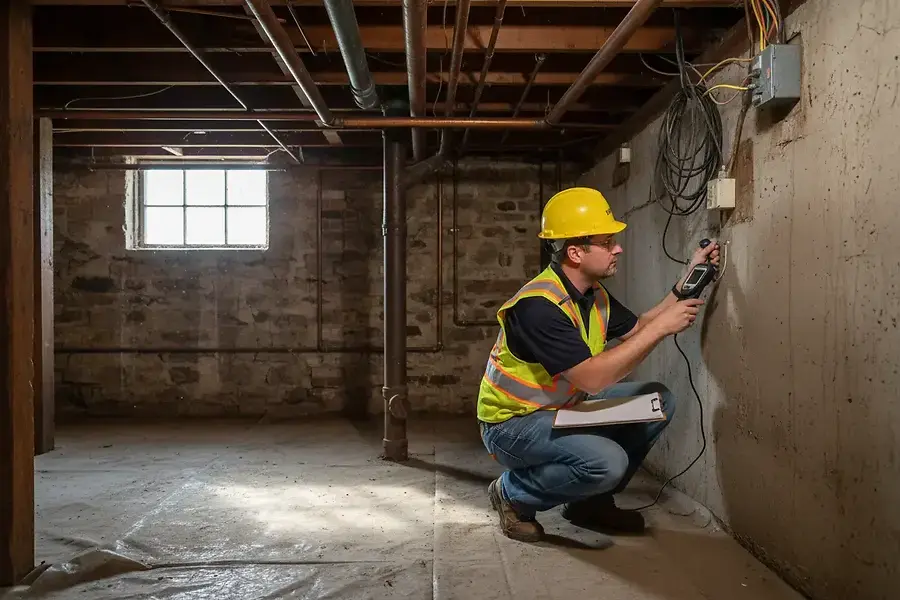
Why Home Inspections Matter in Rhode Island's Real Estate Market
Purchasing a home is one of the most significant financial decisions you'll make in your lifetime. In Rhode Island's competitive real estate market, a thorough home inspection serves as your critical safeguard against unexpected repairs and costly surprises. Whether you're buying a historic colonial in Providence, a coastal property in Newport, or a suburban home in Warwick, understanding what inspectors look for can save you thousands of dollars and provide peace of mind.
A professional home inspection goes beyond the surface-level appeal of a property. It reveals the true condition of structural elements, mechanical systems, and safety features that directly impact your home's value and livability. In Rhode Island, where many homes are older and subject to unique environmental challenges like salt air corrosion and seasonal freeze-thaw cycles, inspections are particularly valuable.
Key Areas Inspectors Examine in Residential Properties
Structural Components
Inspectors begin by evaluating the foundation, walls, and overall structural integrity of the home. In Rhode Island, where many properties date back decades, foundation issues are common concerns. Inspectors look for:
- Cracks in the foundation or basement walls
- Signs of water intrusion or moisture damage
- Settling or shifting of the structure
- Deterioration of masonry or concrete
Roofing and Exterior
The roof is your home's first line of defense against Rhode Island's variable weather patterns. Inspectors assess:
- Roof age and remaining lifespan
- Missing, damaged, or curling shingles
- Flashing condition around chimneys and vents
- Gutter and downspout functionality
- Exterior siding condition and paint integrity
Plumbing Systems
Water-related issues can be expensive and damaging. Inspectors evaluate:
- Water pressure and flow throughout the home
- Pipe material and condition (galvanized, copper, or PVC)
- Presence of leaks or water stains
- Septic system functionality (for properties not on municipal sewer)
- Water heater age and condition
Electrical Systems
Safety is paramount when examining electrical systems. Inspectors check:
- Panel capacity and condition
- Proper grounding and bonding
- GFCI outlets in wet areas
- Outdated wiring that may pose fire hazards
- Adequate lighting and outlet placement
HVAC and Mechanical Systems
Heating and cooling systems are essential in Rhode Island's climate. Inspectors examine:
- Furnace or boiler age and efficiency
- Air conditioning unit condition
- Ductwork integrity and insulation
- Thermostat functionality
- Ventilation and air quality systems
Common Issues Found in Rhode Island Homes and How to Address Them
Moisture and Water Damage
The Issue: Rhode Island's proximity to the Atlantic Ocean and seasonal precipitation create ideal conditions for moisture problems. Basements, crawl spaces, and attics frequently show signs of water intrusion.
How to Address It: Request a moisture assessment report. Consider installing a sump pump, improving drainage around the foundation, or applying waterproof coatings. Budget for potential remediation before closing.
Aging Roofs
The Issue: Many Rhode Island homes have roofs nearing the end of their lifespan. Harsh winters and salt air accelerate deterioration.
How to Address It: Obtain a detailed roof inspection from a certified roofer. If replacement is needed, factor this substantial cost into your offer or negotiate repairs with the seller.
Outdated Electrical Systems
The Issue: Older homes may have aluminum wiring, insufficient panel capacity, or lack of GFCI protection—all safety concerns.
How to Address It: Have a licensed electrician evaluate the system. Upgrading to modern standards may be necessary for insurance purposes and safety compliance.
Plumbing Concerns
The Issue: Galvanized pipes corrode over time, and older homes may have lead solder or pipes that restrict water flow.
How to Address It: Request a plumbing specialist's assessment. Repiping can be expensive but is essential for water quality and safety.
HVAC System Age
The Issue: Furnaces and air conditioning units typically last 15-20 years. Many Rhode Island homes have systems beyond their expected lifespan.
How to Address It: Get a professional HVAC evaluation. Budget for replacement or negotiate repair costs with the seller before purchase.
Pest and Termite Damage
The Issue: Wood-destroying insects can cause significant structural damage, particularly in older Rhode Island homes.
How to Address It: Include a pest inspection in your home inspection process. Treatment and repairs should be addressed before closing.
Using Inspection Reports to Make Confident Home Purchase Decisions
Once you receive the inspection report, take time to review it thoroughly. Don't ignore minor issues—they often indicate larger problems or poor maintenance. Prioritize findings by severity and cost.
Negotiate strategically: Use the inspection report as a negotiation tool. Request that the seller address major issues, offer credits toward repairs, or reduce the purchase price accordingly. Remember that you have leverage during this phase of the transaction.
Get second opinions: For significant concerns, hire specialists to provide detailed assessments. A foundation engineer, structural engineer, or certified HVAC technician can offer valuable insights.
Plan for future maintenance: Even if issues are resolved, understand the home's maintenance needs. Ask the inspector about the expected lifespan of major systems and plan your budget accordingly.
A comprehensive home inspection is your opportunity to make an informed decision about one of life's biggest investments. By understanding what inspectors examine and how to address common Rhode Island home issues, you'll approach your purchase with confidence and clarity. Don't skip this critical step—your future self will thank you.


