Richmond Neighborhoods: How Location Impacts Your Property Value
Discover which Richmond neighborhoods offer the best investment potential and long-term appreciation.

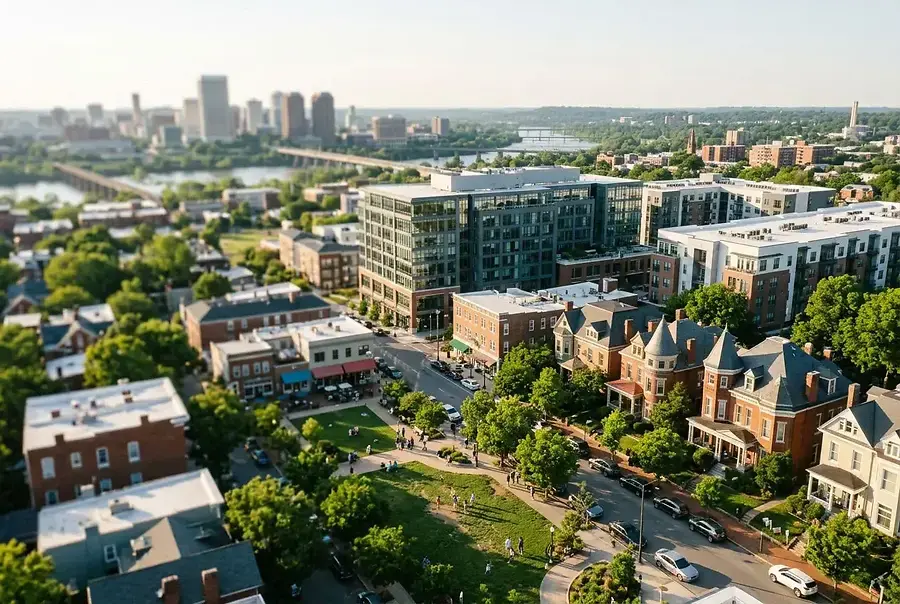
Why Neighborhood Selection Matters in Richmond Real Estate
When it comes to real estate investment, location is everything. In Richmond, the neighborhood you choose can dramatically impact not only your property's current value but also its potential for appreciation over time. Whether you're a first-time homebuyer or a seasoned investor, understanding how different neighborhoods perform in the market is crucial to making a sound financial decision.
Richmond's real estate landscape is incredibly diverse, with each neighborhood offering distinct characteristics, amenities, and investment potential. From historic districts with charming architecture to up-and-coming areas experiencing rapid revitalization, the city presents numerous opportunities for property buyers and investors alike. The key is identifying which neighborhoods align with your financial goals and lifestyle preferences.
Property values in Richmond are influenced by a complex interplay of factors including proximity to employment centers, school quality, walkability, local amenities, and neighborhood development trends. By understanding these dynamics, you can make informed decisions that maximize your investment returns and ensure long-term financial success.
Key Richmond Neighborhoods and Their Market Characteristics
The Fan District
The Fan District remains one of Richmond's most desirable neighborhoods, known for its stunning Victorian and Edwardian architecture. This historic area attracts young professionals and families seeking walkable neighborhoods with excellent restaurants, boutiques, and cultural venues. Property values here have shown consistent appreciation, making it an attractive option for investors seeking stability and prestige.
The neighborhood's proximity to downtown Richmond and Virginia Commonwealth University creates strong demand for both residential and rental properties. Tree-lined streets and well-maintained historic homes contribute to the area's charm and appeal.
Church Hill
Church Hill has experienced significant revitalization in recent years, transforming into one of Richmond's hottest emerging neighborhoods. Young professionals and entrepreneurs are drawn to the area's affordable entry prices compared to established neighborhoods, combined with its potential for substantial appreciation.
The neighborhood offers:
- Vibrant local businesses and restaurants
- Strong community engagement and events
- Proximity to downtown employment centers
- Historic charm with modern amenities
Carytown
Carytown stands out as a mixed-use neighborhood blending residential living with commercial activity. The area's unique retail corridor attracts both residents and visitors, creating a lively atmosphere that supports property values. Homes in Carytown typically command premium prices due to the neighborhood's walkability and vibrant character.
Manchester
Manchester represents Richmond's urban revitalization success story. Once an industrial area, it has transformed into a trendy neighborhood with loft apartments, galleries, and restaurants. The neighborhood appeals to creative professionals and those seeking urban living with character. Property appreciation in Manchester has been impressive, making it an excellent investment opportunity for those willing to embrace urban living.
The Museum District
The Museum District offers a more upscale residential experience, featuring larger homes, tree-lined streets, and proximity to cultural institutions. This neighborhood attracts established families and professionals seeking space and sophistication. Property values here remain strong, reflecting the area's desirability and stability.
How Location Influences Property Value and Appreciation Potential
Employment Centers and Commute Times
Proximity to major employment centers significantly impacts property values. Neighborhoods within reasonable commuting distance to downtown Richmond, the financial district, and major employers command higher prices. Shorter commute times reduce transportation costs and improve quality of life, making these locations more desirable to buyers.
School Quality and Family Appeal
For families, school quality is a primary consideration when selecting a neighborhood. Areas with highly-rated schools consistently show stronger property values and faster appreciation. Even if you don't have school-age children, properties in good school districts maintain better resale value due to broader buyer appeal.
Walkability and Local Amenities
Walkable neighborhoods with convenient access to shopping, dining, and entertainment attract premium prices. Residents increasingly value the ability to accomplish daily tasks on foot or by bike, reducing dependence on automobiles. Neighborhoods like Carytown and the Fan District benefit significantly from their walkability scores.
Development and Infrastructure Investment
Areas experiencing infrastructure improvements, new transit options, or planned development projects often see accelerated property appreciation. Keep an eye on neighborhoods where city investments signal future growth potential. Public improvements like parks, streetscaping, and transportation enhancements can substantially boost property values.
Neighborhood Trends and Revitalization
Emerging neighborhoods undergoing revitalization often offer the best appreciation potential for investors. Areas like Church Hill and Manchester have demonstrated how neighborhood transformation can create significant wealth for early investors. However, these investments carry slightly higher risk and require patience as revitalization unfolds.
"The best real estate investments are made when you identify neighborhoods on the cusp of positive change—before the market fully recognizes their potential."
Community Character and Stability
Neighborhoods with strong community identity, active civic organizations, and stable populations tend to maintain property values better during market fluctuations. Communities that invest in their neighborhoods through events, improvements, and engagement create environments where residents want to stay, supporting long-term value stability.
Making Informed Decisions Based on Neighborhood Insights
When evaluating Richmond neighborhoods for investment or purchase, consider these key factors:
- Market trends: Research recent sales data and price trends in your target neighborhood
- Future development: Investigate planned projects and infrastructure improvements
- Demographic patterns: Understand who is moving into the area and why
- Rental potential: If investing, evaluate the neighborhood's rental market strength
- Personal fit: Ensure the neighborhood aligns with your lifestyle and long-term goals
Richmond's real estate market offers diverse opportunities across multiple neighborhoods, each with distinct characteristics and investment potential. Whether you're drawn to the historic charm of the Fan District, the emerging potential of Church Hill, or the urban energy of Manchester, understanding how location impacts property value is essential to making smart real estate decisions.
The neighborhoods you choose today will shape your financial future. By carefully analyzing market characteristics, development trends, and neighborhood dynamics, you can identify opportunities that align with your investment goals and maximize your long-term returns in Richmond's dynamic real estate market.


