Roanoke's Mixed-Use Development: Residential and Commercial Growth
Discover how residential and commercial investors are capitalizing on Roanoke's evolving real estate landscape.

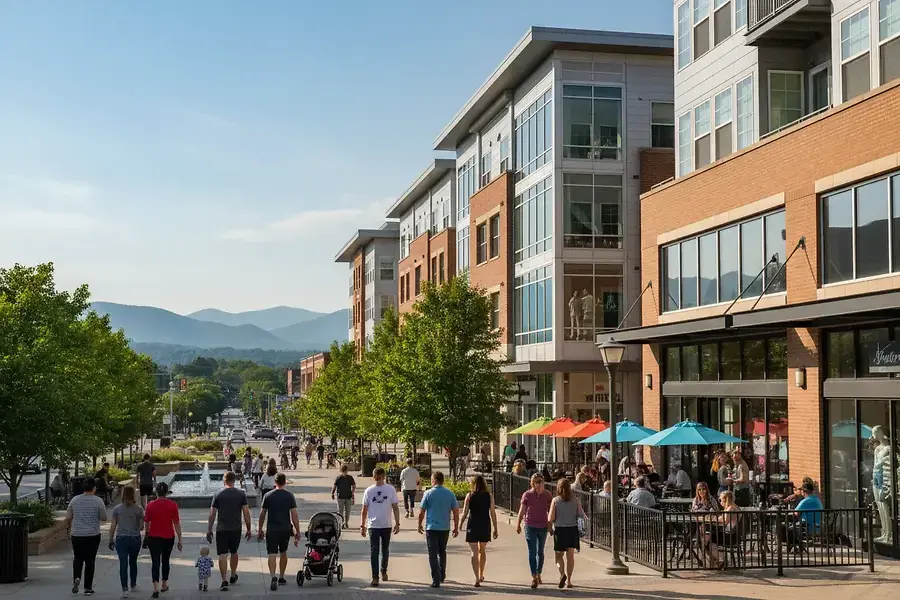
The Convergence of Residential and Commercial Growth in Roanoke
Roanoke is experiencing a remarkable transformation as residential and commercial real estate markets converge to create dynamic mixed-use developments. This evolution reflects a broader shift in how communities are designed and how investors approach real estate opportunities. Rather than keeping residential and commercial spaces separate, forward-thinking developers are recognizing the value of integrated neighborhoods where people can live, work, and play in the same vibrant areas.
The city's strategic location in the Blue Ridge Mountains, combined with its rich history and growing tech sector, has positioned Roanoke as an attractive destination for both investors and residents. This convergence is not merely a trend but a fundamental restructuring of the urban landscape that promises significant returns for those who understand the market dynamics.
Understanding Mixed-Use Properties: Benefits for Investors and Buyers
What Are Mixed-Use Properties?
Mixed-use properties combine residential units, retail spaces, offices, and entertainment venues within a single development or building complex. These properties create walkable communities where residents can access essential services without relying heavily on automobiles. From a real estate perspective, this integration offers multiple revenue streams and appeals to a diverse demographic.
Investment Advantages
For investors, mixed-use developments present compelling opportunities:
- Diversified Income Streams: Multiple property types within one development reduce dependency on a single market segment. If residential demand fluctuates, commercial tenants can stabilize cash flow.
- Higher Property Values: Mixed-use developments typically command premium prices due to their versatility and appeal to multiple user groups.
- Reduced Vacancy Rates: The variety of uses attracts different tenant types, making it easier to maintain occupancy rates across the property.
- Community Appeal: These developments foster vibrant neighborhoods that attract long-term residents and loyal customers, creating sustainable growth.
Benefits for Buyers and Residents
Homebuyers and renters increasingly prefer mixed-use neighborhoods for their convenience and lifestyle advantages. Residents enjoy walkable streets, nearby dining and shopping, reduced commute times, and a stronger sense of community. This preference drives demand and supports property appreciation in mixed-use areas.
Key Neighborhoods Blending Residential and Commercial Appeal
Downtown Roanoke Renaissance
Downtown Roanoke stands at the forefront of the city's mixed-use revolution. Historic buildings are being renovated to include modern apartments above ground-floor retail and restaurant spaces. This adaptive reuse strategy preserves architectural heritage while creating contemporary living spaces. The area's walkability and cultural attractions make it increasingly desirable for young professionals and empty-nesters seeking urban lifestyles.
South Roanoke Expansion
South Roanoke has emerged as another hotspot for mixed-use development. New construction projects are introducing residential lofts alongside boutique retail and office spaces. The neighborhood's proximity to parks and outdoor recreation areas adds significant appeal, attracting residents who value both urban convenience and access to nature.
Emerging Neighborhoods
Several emerging neighborhoods are following suit, with developers recognizing the demand for integrated communities. Areas previously dominated by single-use zoning are being reimagined as vibrant mixed-use districts. These neighborhoods offer investors the opportunity to enter the market at earlier stages, potentially capturing greater appreciation as development progresses.
Positioning Yourself in Roanoke's Dynamic Real Estate Market
For Residential Investors
Residential investors should focus on mixed-use developments in established neighborhoods with strong fundamentals. Look for areas with:
- Growing employment centers and job creation
- Strong population growth and demographic trends
- Quality schools and community amenities
- Supportive local government policies favoring mixed-use development
For Commercial Investors
Commercial investors benefit from mixed-use properties by accessing residential-anchored customer bases. Ground-floor retail and office spaces in residential-heavy developments enjoy built-in foot traffic and customer loyalty. Consider properties in neighborhoods experiencing residential growth and demographic shifts toward younger, more affluent populations.
Strategic Considerations
Due diligence is essential when evaluating mixed-use opportunities. Analyze the developer's track record, understand local zoning regulations, and assess market demand for both residential and commercial components. Successful mixed-use investments require understanding how residential and commercial markets interact within specific neighborhoods.
Location remains paramount. Properties in walkable neighborhoods with strong connectivity to employment centers, entertainment, and services command premium valuations. Additionally, consider the quality of management and the developer's vision for creating a cohesive community experience.
Future Outlook
Roanoke's mixed-use development trajectory appears robust. As remote work continues reshaping employment patterns and younger generations prioritize walkability and community, demand for integrated neighborhoods will likely intensify. Early investors who recognize these trends and position themselves strategically stand to benefit significantly from Roanoke's evolving real estate landscape.
The convergence of residential and commercial real estate in Roanoke represents more than just a development trend—it reflects fundamental changes in how people want to live and work. By understanding these dynamics and identifying opportunities in key neighborhoods, investors can capitalize on this transformation while contributing to the creation of vibrant, sustainable communities.


