Rochester Home Inspections: What Buyers Must Know Before Closing
A comprehensive guide to understanding inspection reports and protecting your investment in Rochester's residential market.

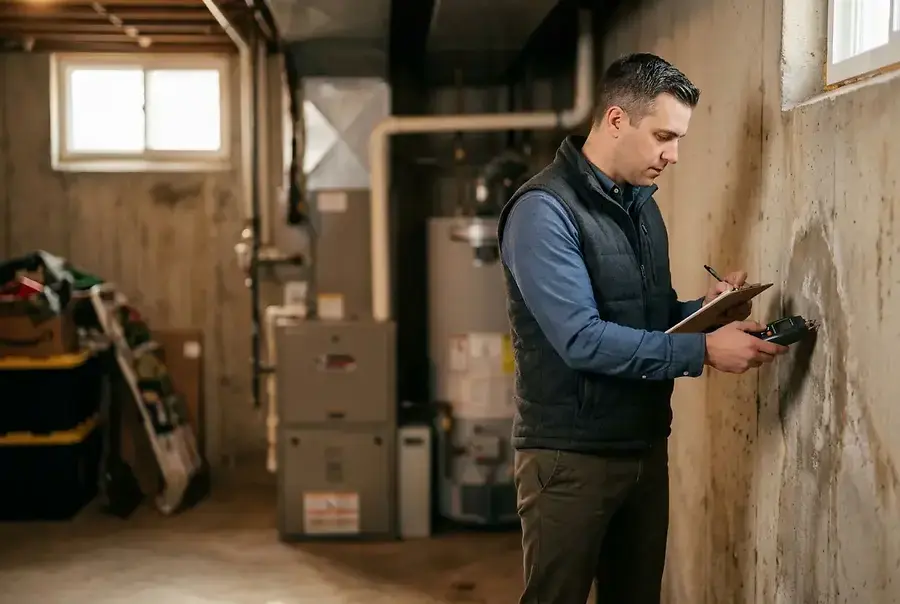
Why Home Inspections Matter in Rochester's Market
Purchasing a home is one of the most significant financial decisions you'll make, and in Rochester's competitive residential market, a professional home inspection is your best defense against costly surprises. A thorough inspection provides an objective assessment of a property's condition, identifying potential issues before you commit to the purchase.
Many first-time homebuyers underestimate the importance of inspections, viewing them as an optional expense. However, skipping this critical step can lead to discovering expensive problems after closing—problems that become your responsibility. In Rochester, where homes range from historic properties to modern constructions, inspections are particularly valuable for understanding the unique characteristics and maintenance needs of your specific property.
A professional inspection protects your investment by:
- Revealing hidden structural or mechanical issues
- Providing negotiating leverage for repairs or price adjustments
- Offering peace of mind before signing final documents
- Creating a baseline for future maintenance planning
What to Expect During a Professional Home Inspection
The Inspection Process
A standard home inspection typically lasts two to four hours, depending on the property's size and age. The inspector will systematically evaluate every major system and component of the home, creating a detailed report with photographs and findings.
Key areas inspected include:
- Structural components: Foundation, walls, roof, and framing
- Exterior elements: Siding, windows, doors, and drainage systems
- Roofing: Condition, age, and remaining lifespan
- HVAC systems: Heating, cooling, and ventilation functionality
- Plumbing: Water pressure, drainage, and pipe conditions
- Electrical systems: Panel condition, wiring, and safety compliance
- Interior features: Walls, ceilings, floors, and built-in appliances
Your Role During the Inspection
As the buyer, you have the right to be present during the inspection. This is highly recommended. Being there allows you to ask questions, understand the inspector's findings firsthand, and learn about the property's maintenance requirements. Take notes and ask the inspector to explain any concerns in detail.
Common Issues Found in Rochester Homes and How to Address Them
Aging Roofs and Water Damage
Rochester's climate, with its significant snowfall and temperature fluctuations, takes a toll on roofing systems. Inspectors frequently identify roofs nearing the end of their lifespan or showing signs of water infiltration. If your inspection reveals roofing issues, request that the seller either repair the roof or provide a credit toward replacement costs.
Foundation and Basement Concerns
Many Rochester homes experience basement moisture issues due to the region's soil composition and water table. Cracks in foundations, efflorescence (white mineral deposits), or signs of water seepage are common findings. These issues range from cosmetic to serious, and your inspector will help determine the severity and recommended solutions.
Outdated Electrical Systems
Older Rochester homes may have outdated electrical panels or wiring that doesn't meet current safety standards. Knob-and-tube wiring or insufficient grounding can be fire hazards. Budget for electrical upgrades if your inspection reveals these issues, and consider this when negotiating the purchase price.
HVAC System Age
Heating systems are critical in Rochester's climate. Inspectors often find aging furnaces or air conditioning units that may fail soon. Understanding the age and condition of these systems helps you budget for replacements and negotiate accordingly.
Plumbing Issues
Galvanized pipes, which corrode over time, are common in older Rochester homes. Inspectors may also identify slow drains, water pressure problems, or outdated fixtures. While some issues are minor, others may require significant investment.
Using Inspection Results to Negotiate and Protect Your Purchase
Understanding Your Inspection Report
After the inspection, you'll receive a detailed report categorizing findings by severity. Issues are typically classified as:
- Critical: Safety hazards or major structural problems requiring immediate attention
- Major: Significant issues affecting home systems or value
- Minor: Small repairs or maintenance items
Review this report carefully and discuss findings with your real estate agent. Don't ignore minor issues—they can accumulate and become expensive over time.
Negotiation Strategies
Your inspection report is a powerful negotiating tool. You have several options:
- Request repairs: Ask the seller to fix critical and major issues before closing
- Negotiate a price reduction: Request a credit to cover repair costs yourself
- Request a combination: Have the seller address critical issues while providing credits for others
- Walk away: If issues are too extensive, you may choose to terminate the purchase
Timing is crucial. Most purchase agreements include an inspection contingency period—typically 7-10 days—during which you can negotiate based on findings. Act promptly to ensure you meet deadlines.
Final Walk-Through
Before closing, conduct a final walk-through to verify that agreed-upon repairs were completed satisfactorily. Confirm that the property's condition matches the inspection report and that no new issues have emerged. This final check protects you from inheriting problems the seller was supposed to address.
Post-Purchase Planning
Even after closing, your inspection report remains valuable. Use it to create a maintenance schedule and budget for future repairs. Addressing minor issues promptly prevents them from becoming major problems, ultimately protecting your investment and maintaining your home's value.
Remember: A home inspection is not about finding reasons to back out of a deal—it's about making an informed decision and protecting your financial investment in Rochester's real estate market.
By understanding what inspections reveal and how to use that information strategically, you'll navigate Rochester's home-buying process with confidence and clarity.


