Rockwall Home Inspection Essentials: What Buyers Need to Know
Discover the critical inspection points that protect your investment and reveal hidden issues before closing the deal.

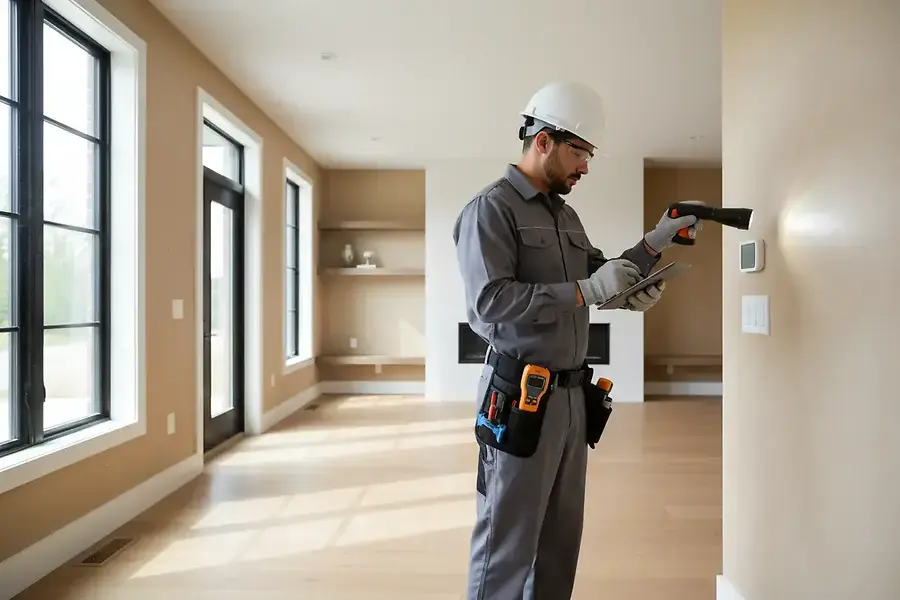
Why Home Inspections Matter in Rockwall's Competitive Market
In Rockwall's fast-paced real estate market, buyers often feel pressured to make quick decisions. However, skipping or rushing through a home inspection is a costly mistake. A thorough inspection serves as your financial safeguard, revealing structural issues, mechanical problems, and safety concerns that could cost thousands to repair after purchase.
Home inspections are particularly important in Rockwall, where properties range from newer developments to established neighborhoods with aging homes. Each property type presents unique challenges. A professional inspector acts as your advocate, providing an objective assessment that empowers you to negotiate repairs, request credits, or walk away from a problematic deal.
The bottom line: A home inspection typically costs $300-$500 but can save you from purchasing a property with $10,000 or more in hidden defects.
Key Areas Inspectors Examine and What to Look For
Structural Integrity and Foundation
Inspectors begin by examining the foundation for cracks, settling, or water damage. In Rockwall, where clay soil can shift seasonally, foundation issues are a legitimate concern. Look for:
- Horizontal or stair-step cracks in the foundation
- Bowing or leaning walls
- Water stains or moisture in the basement or crawl space
- Evidence of previous repairs or underpinning
Roof and Exterior
The roof is one of your home's most expensive components. Inspectors evaluate:
- Shingle condition, age, and remaining lifespan
- Flashing around chimneys, vents, and skylights
- Gutters and downspout functionality
- Siding, trim, and exterior paint condition
- Windows and doors for proper sealing and operation
A roof nearing the end of its life (typically 15-20 years) may require replacement soon, which is a significant expense to factor into your offer.
Plumbing Systems
Water damage is one of the most costly issues in homes. Inspectors check:
- Water pressure and flow from fixtures
- Pipe material and condition (galvanized pipes may need replacement)
- Signs of leaks under sinks and around toilets
- Water heater age and functionality
- Drainage and septic system performance
Electrical Systems
Electrical problems pose safety hazards and fire risks. Inspectors examine:
- Panel capacity and condition
- Proper grounding and bonding
- GFCI outlets in kitchens and bathrooms
- Outdated wiring that may need upgrading
- Adequate outlets and proper circuit distribution
HVAC and Mechanical Systems
Heating and cooling systems are essential in Texas. Inspectors assess:
- Age and condition of furnace and air conditioning units
- System efficiency and performance
- Ductwork integrity and proper insulation
- Thermostat functionality
Interior Conditions
Inspectors also evaluate:
- Walls, ceilings, and floors for damage or settling
- Doors and windows operation
- Insulation levels in attic and walls
- Signs of pest infestation or mold
- Appliance condition and functionality
Red Flags and How to Respond to Inspection Findings
Understanding the Report
Home inspection reports categorize findings by severity. Major issues require immediate attention and may significantly impact property value. Minor issues are typically cosmetic or low-priority repairs. Understanding this distinction helps you prioritize your response.
Common Red Flags in Rockwall Homes
Foundation problems are serious concerns that warrant a structural engineer's evaluation. Roof damage or age may require replacement estimates. Outdated electrical systems could pose safety risks. Plumbing issues like galvanized pipes or water damage need professional assessment.
Your Response Options
After receiving the inspection report, you have several choices:
- Request repairs: Ask the seller to fix major issues before closing
- Negotiate credits: Request a price reduction to cover repair costs yourself
- Request re-inspection: Have the inspector verify repairs were completed properly
- Renegotiate terms: Adjust the purchase price based on findings
- Walk away: If issues are too severe or costly, you may terminate the contract
Pro tip: Always have a licensed contractor provide repair estimates for major issues. This gives you concrete numbers for negotiations and helps you make informed decisions.
Working with Your Real Estate Agent
Your real estate agent can provide valuable guidance on which issues are negotiable and what's typical for Rockwall properties. They understand local market conditions and can help you determine whether repair requests are reasonable or if you should adjust your expectations.
Making Informed Decisions with Inspection Results
A home inspection is not meant to kill deals—it's meant to inform them. Most homes have some issues; the key is understanding their severity and cost implications. Use inspection findings to make confident, data-driven decisions about your purchase.
Remember that you have the right to walk away if inspection results reveal deal-breakers. This protection is one of the most valuable aspects of the inspection contingency in your purchase agreement.
By taking home inspections seriously and understanding what inspectors look for, you protect your investment and ensure you're making one of the most important financial decisions of your life with complete information. In Rockwall's competitive market, an informed buyer is an empowered buyer.