Roseville Home Inspection Checklist: What Buyers Should Know
Master the essential inspection points that protect your investment and reveal hidden issues before closing day.

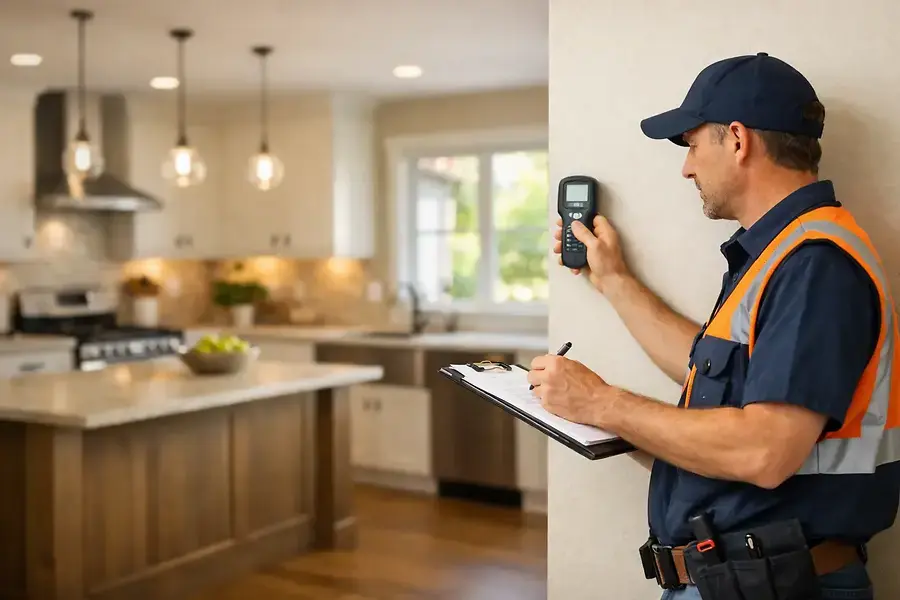
Why Home Inspections Matter in Roseville's Competitive Market
Purchasing a home is one of the most significant financial decisions you'll make. In Roseville's competitive real estate market, buyers often feel pressured to move quickly and make offers without thorough due diligence. However, a comprehensive home inspection is your safeguard against costly surprises after closing day.
A professional home inspection provides an objective evaluation of a property's condition, identifying potential issues that could affect its value, safety, and your long-term investment. Whether you're a first-time buyer or an experienced investor, understanding what inspectors evaluate helps you make informed decisions and negotiate repairs or credits with confidence.
The inspection process typically takes 2-3 hours and covers every major system and structural component of the home. By knowing what to look for, you can ask better questions, understand the inspector's findings, and protect yourself from unexpected expenses down the road.
Key Structural and Foundation Elements to Evaluate
Foundation and Basement Condition
The foundation is literally the backbone of your home. Inspectors examine foundations for cracks, settling, water intrusion, and structural movement. Look for:
- Horizontal or diagonal cracks in concrete or brick
- Signs of water damage, mold, or moisture
- Uneven floors or doors that stick
- Evidence of previous repairs or patching
Roseville homes built on clay soil may experience more foundation movement than those on other soil types. Even small cracks can indicate larger issues, so professional assessment is crucial.
Roof and Attic Assessment
Your roof protects everything beneath it. Inspectors evaluate:
- Roof age and remaining lifespan
- Missing, cracked, or curled shingles
- Proper ventilation and insulation
- Flashing around chimneys, vents, and skylights
- Signs of leaks or water damage in the attic
A roof replacement can cost $10,000 or more, making this assessment essential. Most asphalt shingle roofs last 15-20 years, so knowing the age helps you budget for future maintenance.
Exterior Walls and Siding
The exterior protects your home from weather and pests. Inspectors check for:
- Damaged, rotting, or missing siding
- Gaps or cracks around windows and doors
- Proper grading and drainage away from the foundation
- Condition of gutters and downspouts
Critical Systems: Plumbing, Electrical, and HVAC Assessment
Plumbing System Evaluation
Water damage is one of the most expensive home repairs. Professional inspectors assess:
- Water pressure and flow from all fixtures
- Presence of galvanized pipes (which corrode over time)
- Proper slope of drain lines
- Water heater age, condition, and capacity
- Signs of leaks, rust, or corrosion
Older homes may have outdated plumbing materials that require replacement. Knowing the pipe material and age helps you understand potential future costs. Additionally, inspectors check for proper venting and ensure all drains function correctly.
Electrical System Safety
Electrical issues pose serious safety risks. Inspectors examine:
- Panel capacity and condition of the main breaker
- Proper grounding and bonding
- Presence of outdated fuses versus modern circuit breakers
- GFCI outlets in bathrooms, kitchens, and outdoor areas
- Adequate outlets and proper wiring throughout
Homes with aluminum wiring or knob-and-tube wiring may require upgrades for safety and insurance purposes. A thorough electrical inspection protects your family and your investment.
HVAC System Performance
Heating, ventilation, and air conditioning systems are essential for comfort and indoor air quality. Inspectors evaluate:
- Age and condition of furnace and air conditioning units
- Proper airflow and temperature consistency
- Ductwork condition and insulation
- Thermostat functionality
- Maintenance records and filter condition
HVAC replacement can cost $5,000-$15,000, so understanding the system's remaining lifespan is critical for budgeting. Inspectors also check for proper ventilation to ensure healthy indoor air quality.
Additional Systems to Consider
Beyond the major systems, inspectors also evaluate:
- Insulation levels in attic and walls for energy efficiency
- Windows and doors for proper operation and weatherproofing
- Appliances included in the sale
- Safety features like smoke detectors and carbon monoxide detectors
Making Informed Decisions with Professional Guidance
A home inspection report provides detailed findings with photographs and recommendations. Not every issue requires immediate repair—some are minor maintenance items, while others indicate serious problems requiring professional remediation.
Use the inspection report to:
- Request repairs from the seller before closing
- Negotiate credits for repairs you'll handle yourself
- Budget for future maintenance and replacements
- Understand the home's true condition and value
A professional home inspection is an investment in peace of mind and financial protection. The cost of an inspection—typically $300-$500—is minimal compared to the potential savings from identifying major issues early.
When selecting a home inspector, choose someone who is licensed, insured, and experienced with Roseville properties. Ask for references, review sample reports, and ensure they provide a comprehensive written report with photographs.
By understanding what inspectors evaluate and asking informed questions, you'll make confident decisions that protect your investment and ensure your new Roseville home is safe, sound, and worth the price you're paying.


