Sacramento Home Inspection Essentials: What Buyers Need to Know
Discover the critical inspection checkpoints that protect your investment and reveal hidden issues before closing day.

Understanding the Home Inspection Process
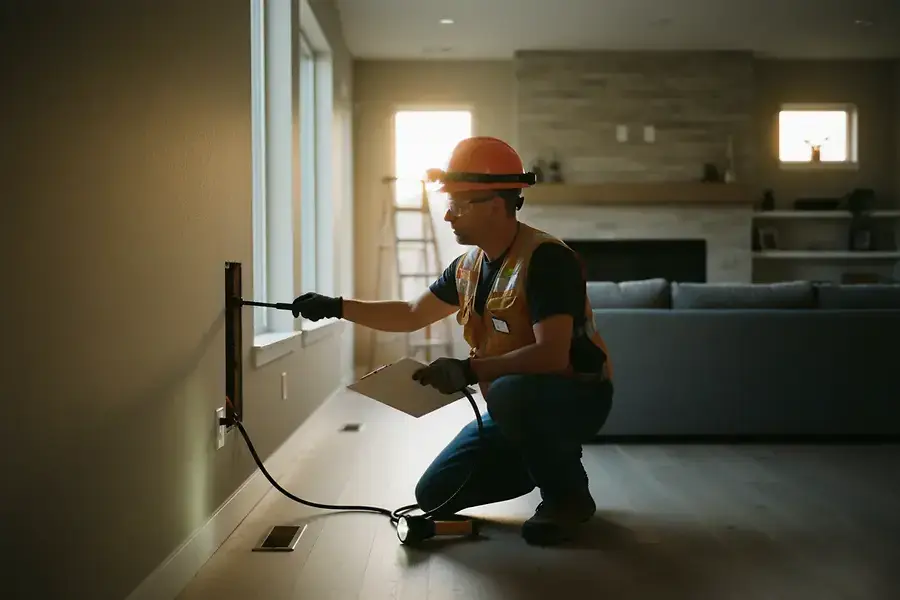
A home inspection is one of the most important steps in the home buying process. This comprehensive evaluation by a licensed professional examines the structural integrity, systems, and overall condition of a property. In Sacramento, where homes range from historic Victorian properties to modern developments, understanding what inspectors look for can save you thousands of dollars and prevent costly surprises after closing.
The typical home inspection takes two to four hours and covers both the interior and exterior of the property. Inspectors use specialized tools and their expertise to identify issues that may not be visible to the untrained eye. The result is a detailed report that documents the condition of major systems and components, giving you a clear picture of what you're purchasing.
What to Expect During the Inspection
As a buyer, you have the right to be present during the inspection. In fact, attending the inspection is highly recommended so you can ask questions and learn about the property firsthand. The inspector will walk through the home systematically, checking everything from the foundation to the roof, and will explain their findings as they go.
Key Areas Inspectors Evaluate in Sacramento Homes
Foundation and Structural Components
Sacramento's soil conditions and climate make foundation inspection particularly important. Inspectors look for:
- Cracks in the foundation or basement walls
- Signs of settling or shifting
- Water damage or moisture intrusion
- Proper grading around the foundation
A solid foundation is essential for the home's longevity, and any significant issues here can be extremely expensive to repair.
Roofing and Exterior
The roof protects everything beneath it, making its condition critical. Inspectors evaluate:
- Shingle condition and remaining lifespan
- Flashing around chimneys and vents
- Gutters and downspouts
- Siding, windows, and doors
- Deck or patio safety and integrity
Sacramento's hot summers and occasional winter weather can accelerate roof deterioration, so this inspection area deserves careful attention.
Plumbing Systems
Water-related issues are among the most costly to repair. Inspectors check:
- Water pressure and flow
- Pipe material and condition
- Presence of leaks or water damage
- Septic system functionality (if applicable)
- Water heater age and condition
Older Sacramento homes may have outdated plumbing that requires upgrades or replacement.
Electrical Systems
Safety is paramount when it comes to electrical systems. Inspectors examine:
- Panel condition and capacity
- Proper grounding and bonding
- Outlet and switch functionality
- Presence of outdated wiring
- GFCI protection in wet areas
Outdated or faulty electrical systems pose serious fire and safety hazards and should be addressed before purchase.
HVAC and Climate Control
Given Sacramento's temperature extremes, heating and cooling systems are essential. Inspectors assess:
- Furnace and air conditioning unit age and operation
- Ductwork condition and sealing
- Thermostat functionality
- Maintenance history and cleanliness
Interior Components
Inspectors also evaluate interior elements including walls, ceilings, floors, insulation, and ventilation. They look for signs of water damage, mold, pest infestation, and proper ventilation in bathrooms and kitchens.
Red Flags and How to Respond to Inspection Findings
Understanding the Report
Inspection reports typically categorize findings by severity. Not every issue requires immediate action, but understanding the difference between minor maintenance and major concerns is crucial. Most reports use categories like:
- Safety Issues: Problems that pose immediate danger
- Major Repairs: Significant systems needing replacement or major work
- Minor Issues: Maintenance items or cosmetic concerns
Common Red Flags in Sacramento Properties
Certain findings should raise concerns and warrant further investigation:
- Foundation cracks or settling – May indicate structural problems
- Roof age over 20 years – Likely approaching end of lifespan
- Water damage or mold – Can indicate ongoing moisture problems
- Outdated electrical panels – May lack capacity for modern needs
- HVAC systems over 15 years old – Approaching replacement age
- Plumbing leaks or corrosion – Can lead to water damage and health issues
Negotiating After Inspection
Once you receive the inspection report, you have several options:
- Request repairs: Ask the seller to fix major issues before closing
- Request credits: Negotiate a price reduction to cover repairs yourself
- Request inspections: Hire specialists for specific concerns
- Walk away: If issues are too extensive, you may choose not to proceed
"A thorough home inspection is your opportunity to make an informed decision about one of the largest investments of your life. Don't skip this critical step or rush through the process."
When to Call in Specialists
If the general inspection reveals potential issues, consider hiring specialists for deeper evaluation. Common specialist inspections include:
- Structural engineer (for foundation concerns)
- Pest control inspector (for termites or other infestations)
- Mold specialist (for water damage or visible mold)
- Electrician (for outdated or problematic wiring)
- Plumber (for significant plumbing issues)
Conclusion: Making Informed Decisions with Inspection Data
A home inspection is not meant to kill a deal—it's meant to empower you with knowledge. Understanding what inspectors evaluate and how to interpret their findings puts you in control of your home buying decision. Sacramento's diverse housing stock means each property presents unique considerations, from older homes with charm but aging systems to newer constructions that may have different concerns.
By attending the inspection, asking questions, and carefully reviewing the report, you'll have the information needed to negotiate confidently, budget for repairs, and make a decision that protects your investment. Remember, the goal is not perfection—no home is flawless—but rather understanding what you're buying and what maintenance or repairs lie ahead.
Take the inspection process seriously, trust the professional inspector's expertise, and use the findings to make an informed decision that's right for your situation and budget.


