Saint Augustine Home Inspections: Essential Guide for Smart Buyers
Discover the critical inspection points that protect your investment in historic Saint Augustine properties.

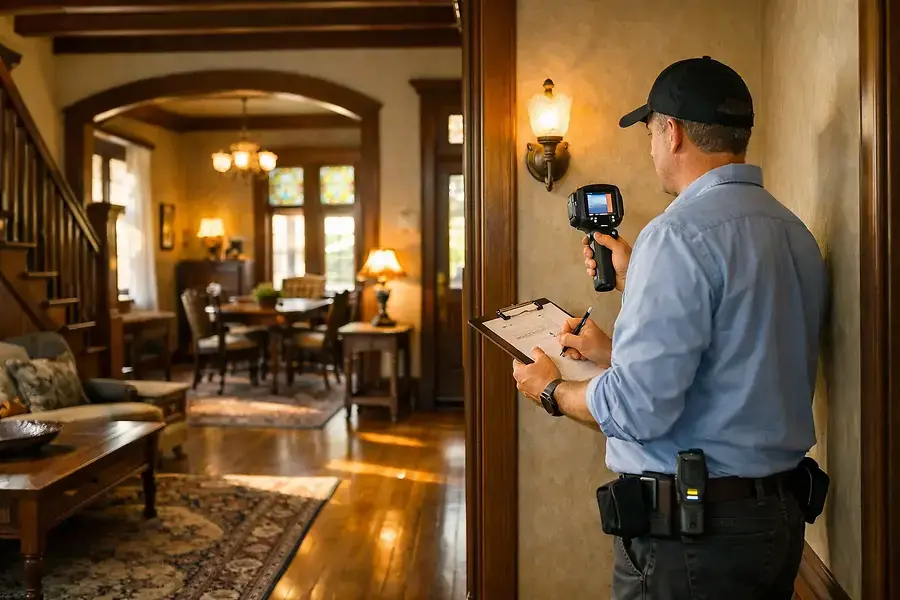
Why Home Inspections Matter in Saint Augustine's Unique Real Estate Market
Saint Augustine's real estate market presents a unique landscape shaped by centuries of history and architectural character. When purchasing a home in this historic city, a professional home inspection becomes more than just a formality—it's a critical safeguard for your investment. The combination of older construction methods, historic preservation requirements, and Florida's challenging climate creates specific inspection needs that differ significantly from newer developments.
Many buyers fall in love with the charm and character of Saint Augustine properties, but this romantic appeal can sometimes mask underlying structural or mechanical issues. A thorough home inspection provides an objective assessment of the property's condition, helping you understand exactly what you're purchasing and what repairs or maintenance may be needed. This knowledge empowers you to negotiate effectively and make informed decisions about your investment.
Common Issues Found in Saint Augustine's Historic and Older Homes
Foundation and Structural Concerns
Historic homes in Saint Augustine often rest on foundations that have settled over decades or even centuries. Foundation issues are among the most serious problems inspectors discover, ranging from minor cracks to significant structural movement. The sandy soil common to the area, combined with Florida's moisture and occasional flooding, can compromise foundation integrity. Inspectors will look for:
- Cracks in foundation walls or floors
- Signs of water intrusion or moisture damage
- Uneven settling or sloping floors
- Gaps between walls and foundations
Moisture and Water Damage
Florida's humid subtropical climate makes moisture management critical. Water damage is perhaps the most common issue in older Saint Augustine homes, often resulting from aging roofs, poor drainage, or rising groundwater. Inspectors will examine:
- Roof condition and potential leaks
- Attic ventilation and moisture levels
- Basement or crawlspace water intrusion
- Wood rot in structural members and framing
- Mold growth in hidden spaces
Outdated Electrical and Plumbing Systems
Many historic homes feature electrical systems that predate modern safety standards. Outdated wiring, insufficient grounding, and overloaded circuits pose serious fire hazards. Similarly, aging plumbing systems may use materials like galvanized pipes or cast iron that have reached the end of their serviceable life. Inspectors evaluate:
- Electrical panel capacity and condition
- Presence of outdated wiring (knob-and-tube or aluminum)
- GFCI protection in wet areas
- Pipe material and corrosion signs
- Water pressure and drainage efficiency
HVAC and Climate Control Challenges
Historic homes often lack proper insulation and modern climate control systems. The combination of high humidity and inadequate cooling can lead to comfort issues and increased utility costs. Inspectors assess the age and condition of heating and cooling systems, ductwork integrity, and overall energy efficiency.
What to Expect During the Inspection Process and Red Flags to Watch For
The Inspection Timeline
A thorough home inspection typically takes two to three hours, depending on the property's size and age. You should plan to be present during the inspection, as this allows you to ask questions and learn about the property directly from the professional. The inspector will systematically examine:
- Exterior structure, siding, and roofing
- Foundation and basement/crawlspace
- Interior walls, ceilings, and floors
- All mechanical systems and appliances
- Attic and ventilation systems
Critical Red Flags to Watch
While minor issues are common in older homes, certain findings warrant serious consideration. Major red flags include:
- Structural damage such as sagging beams or significant foundation cracks
- Active water intrusion or extensive mold growth
- Electrical hazards like outdated panels or improper grounding
- Failing roof requiring immediate replacement
- Termite or pest damage affecting structural integrity
- Asbestos or lead paint requiring professional remediation
Understanding the Inspection Report
After the inspection, you'll receive a detailed report categorizing findings by severity. Items are typically classified as "safety concerns," "major repairs needed," or "maintenance recommendations." Take time to review this report carefully and ask your inspector to clarify any concerns. This documentation becomes valuable for negotiation and future reference.
Using Inspection Results to Make Confident Purchasing Decisions
A home inspection report is a powerful negotiation tool. Armed with detailed information about the property's condition, you can:
- Request repairs from the seller before closing
- Negotiate a lower purchase price to account for needed repairs
- Budget for future maintenance and improvements
- Make an informed decision about whether to proceed with the purchase
Remember that no home is perfect, especially in a historic market like Saint Augustine. The goal of an inspection isn't to find reasons to walk away—it's to understand what you're buying and plan accordingly.
Don't let inspection findings discourage you from purchasing a Saint Augustine property. Many historic homes have been successfully maintained and updated by previous owners. What matters is understanding the property's true condition and making a decision that aligns with your budget, timeline, and comfort level with repairs.
By investing in a professional home inspection and carefully reviewing the results, you're taking the most important step toward protecting your investment in a Saint Augustine property. This due diligence transforms the home-buying process from an emotional decision into a smart, informed choice that you can feel confident about for years to come.


