Saint Louis Home Inspection Essentials: What Every Buyer Must Know
Learn what professional inspectors look for and how to protect your investment in Saint Louis real estate.

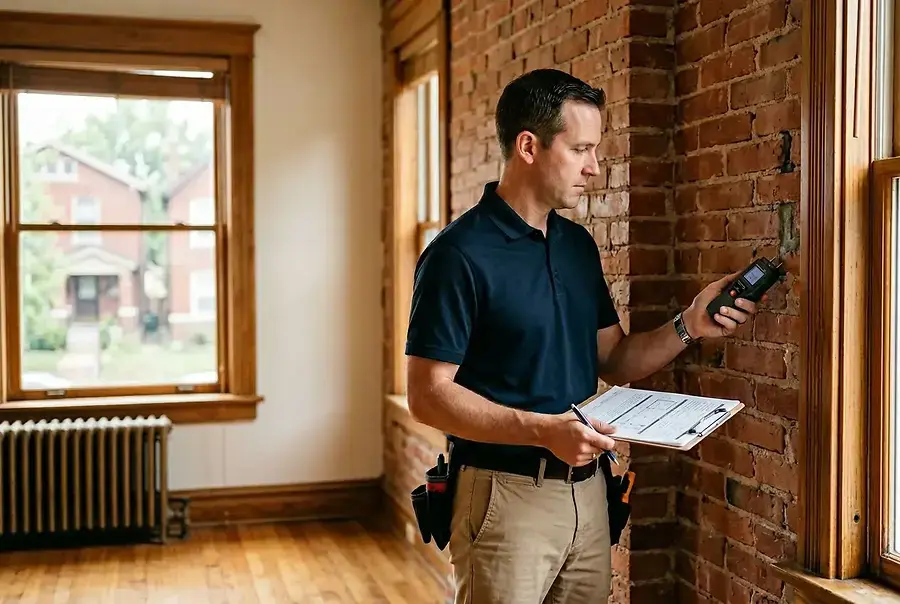
Understanding the Home Inspection Process
A professional home inspection is one of the most critical steps in the home-buying process. This comprehensive evaluation examines the structural integrity, mechanical systems, and overall condition of a property. In Saint Louis, where homes range from historic Victorian mansions to modern suburban residences, inspectors must be knowledgeable about various architectural styles and regional building practices.
During a typical inspection, a certified inspector will spend two to four hours examining the property from top to bottom. They evaluate the roof, foundation, electrical systems, plumbing, HVAC systems, insulation, and more. The inspector will provide a detailed report documenting their findings, including photographs and recommendations for repairs or further evaluation.
What Inspectors Look For
Professional inspectors follow a systematic approach to evaluate every aspect of a home. They check for:
- Structural components: Foundation cracks, settling issues, and wall integrity
- Roofing: Shingle condition, flashing, gutters, and drainage systems
- Electrical systems: Panel condition, wiring safety, and outlet functionality
- Plumbing: Water pressure, drainage, pipe condition, and water heater functionality
- HVAC systems: Furnace and air conditioning efficiency and maintenance history
- Insulation and ventilation: Energy efficiency and moisture control
- Interior elements: Windows, doors, flooring, and wall conditions
Common Issues Found in Saint Louis Homes
Saint Louis has a unique climate and architectural heritage that creates specific inspection challenges. Understanding these common issues can help you prepare for what inspectors might discover.
Foundation and Moisture Problems
The Saint Louis area experiences significant rainfall and humidity, making foundation and moisture issues prevalent. Many older homes in the region have basements that are susceptible to water intrusion, particularly during heavy rains. Inspectors will look for signs of water damage, efflorescence (white mineral deposits), and cracks in the foundation that could indicate structural movement.
Aging Roofing Systems
Many Saint Louis homes feature roofs that are nearing the end of their lifespan. Inspectors will assess shingle condition, look for missing or damaged sections, and evaluate the overall structural integrity of the roof. In areas prone to severe weather, roof condition is particularly important for protecting your investment.
Outdated Electrical and Plumbing
Older homes throughout Saint Louis often contain outdated electrical systems, including aluminum wiring or insufficient grounding. Similarly, aging plumbing systems may use galvanized pipes that are prone to corrosion and reduced water flow. These issues can be costly to address but are important for safety and functionality.
HVAC System Age
Many Saint Louis homes have heating and cooling systems that are past their expected lifespan. Inspectors will evaluate the age, efficiency, and maintenance history of these critical systems. Replacing an HVAC system can be a significant expense, so understanding its condition is essential.
How to Prepare for a Successful Inspection
Preparation can help ensure your inspection runs smoothly and provides comprehensive results.
Before the Inspection
If you're the seller, ensure the home is clean and accessible. Clear pathways to the attic, basement, and mechanical systems. Make sure the inspector can safely access the roof and exterior areas. Provide any available documentation about recent repairs, maintenance records, or system upgrades.
As a buyer, arrange to be present during the inspection. This allows you to ask questions and understand the inspector's findings firsthand. Take notes and ask for clarification on any issues that concern you.
During the Inspection
Stay engaged throughout the process. Walk through the home with the inspector and ask about their observations. Request explanations for any concerns they identify. Take photographs of problem areas for your records. Ask about the severity of issues and whether they require immediate attention or can be addressed later.
After the Inspection
Review the inspection report carefully. Prioritize issues based on safety concerns and cost implications. Consult with contractors to obtain repair estimates for significant problems. Use this information to negotiate with the seller or decide whether to proceed with the purchase.
Next Steps: Using Inspection Results in Your Purchase Decision
The inspection report is a powerful tool that can significantly impact your real estate transaction.
Negotiating Repairs and Credits
Armed with inspection findings, you can negotiate with the seller. You may request that they complete repairs before closing, provide credits toward repairs you'll handle yourself, or reduce the purchase price to account for necessary work. In Saint Louis's competitive real estate market, understanding how to leverage inspection results effectively is crucial.
Identifying Deal-Breakers
Some inspection findings may reveal issues serious enough to reconsider your purchase. Significant structural problems, major system failures, or evidence of pest damage might warrant walking away from the deal. Your inspection contingency period allows you to make this decision with full information.
Planning Your Investment
Even if you decide to proceed with the purchase, the inspection report provides a roadmap for future maintenance and upgrades. Prioritize critical repairs and budget for system replacements. Understanding the home's condition helps you make informed decisions about your investment timeline and financial planning.
Working with Professionals
Don't hesitate to hire specialists for issues identified during the general inspection. If the inspector notes potential structural concerns, hire a structural engineer. For electrical or plumbing issues, consult licensed contractors. These additional evaluations provide peace of mind and accurate repair estimates.
A thorough home inspection is your best defense against costly surprises after purchase. By understanding the inspection process, recognizing common Saint Louis issues, and using inspection results strategically, you can make confident decisions about your real estate investment and protect your financial interests for years to come.


