Saint Petersburg Home Inspections: What Every Buyer Should Know
Master the critical inspection process to protect your investment and uncover hidden issues before closing on your Saint Petersburg property.

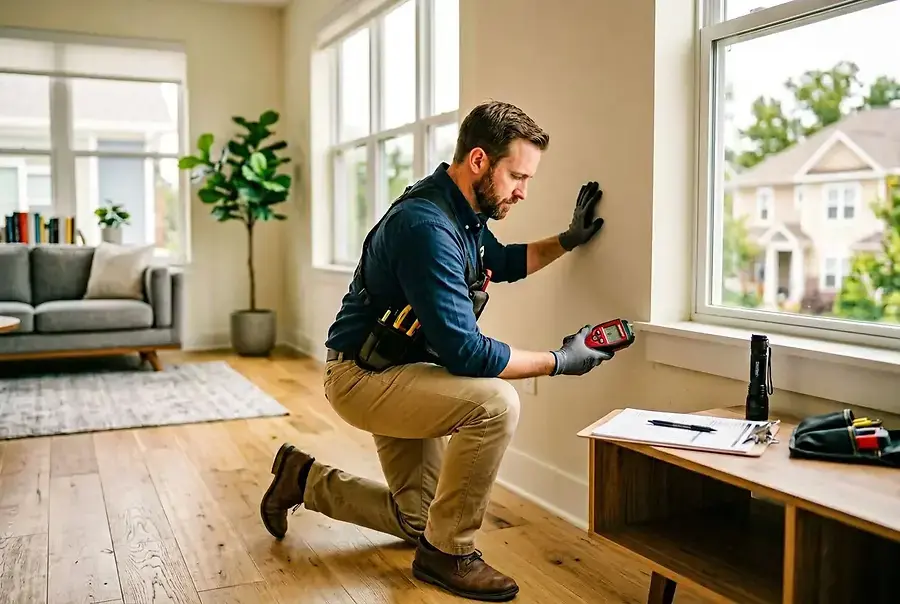
Why Professional Home Inspections Matter in Saint Petersburg
Purchasing a home is one of the most significant financial decisions you'll make in your lifetime. In Saint Petersburg, where properties range from historic waterfront homes to modern developments, a professional home inspection is not just recommended—it's essential. A thorough inspection can reveal structural issues, safety concerns, and costly repairs that aren't visible during a casual walkthrough.
Many buyers skip or rush through inspections to close deals faster, but this approach can lead to expensive surprises after purchase. A comprehensive home inspection typically costs between $300 and $500, a small investment compared to potential repair costs that could reach thousands of dollars. In Saint Petersburg's unique climate with salt air, humidity, and occasional flooding risks, professional inspections are particularly valuable.
Beyond identifying problems, inspections provide peace of mind and give you leverage in negotiations. Armed with inspection findings, you can request repairs, credits, or price reductions before committing to the purchase.
Key Areas Inspectors Examine in Florida Homes
Structural Components and Foundation
Inspectors begin by evaluating the home's foundation, framing, and overall structural integrity. In Saint Petersburg, where soil composition and moisture levels can affect foundations, this examination is critical. They look for:
- Cracks in the foundation or walls
- Signs of settling or shifting
- Water damage or moisture intrusion
- Proper grading around the foundation
Roof and Exterior
The roof is your home's first line of defense against Florida's intense sun and occasional storms. Inspectors examine:
- Roof age and remaining lifespan
- Missing, damaged, or curling shingles
- Flashing and gutter conditions
- Exterior walls, siding, and paint condition
- Windows and doors for proper sealing
Plumbing and Water Systems
Florida's saltwater environment can accelerate corrosion in plumbing systems. Inspectors check:
- Water pressure and flow rates
- Pipe materials and condition
- Presence of polybutylene pipes (a known problem material)
- Water heater age and functionality
- Septic systems or municipal connections
Electrical Systems
Electrical safety is paramount. Inspectors evaluate:
- Panel condition and capacity
- Proper grounding and bonding
- Outlet and switch functionality
- Presence of outdated wiring systems
- GFCI protection in wet areas
HVAC and Climate Control
In Saint Petersburg's warm climate, air conditioning systems work overtime. Inspectors assess:
- AC unit age and efficiency
- Proper refrigerant levels
- Ductwork condition and sealing
- Thermostat functionality
- Heating system presence and condition
Interior Components
Inspectors also examine interior elements including:
- Insulation levels and distribution
- Drywall and interior walls for damage
- Flooring condition and stability
- Cabinets and countertops
- Appliances and their functionality
Understanding Your Inspection Report and Red Flags
Decoding the Report
A professional inspection report typically categorizes findings into three levels: safety issues, major repairs needed, and minor maintenance items. Understanding this hierarchy helps you prioritize concerns and budget accordingly.
Safety issues demand immediate attention and may include electrical hazards, structural problems, or mold. Major repairs—such as roof replacement or foundation work—can cost thousands and should factor heavily into your decision. Minor items like caulking or paint touch-ups are typically the homeowner's responsibility.
Critical Red Flags
Watch for these warning signs that warrant serious consideration:
- Mold or moisture damage: Particularly concerning in Florida's humid climate, mold can indicate ongoing water intrusion
- Roof age over 20 years: Replacement costs typically exceed $10,000
- Polybutylene plumbing: This material is prone to failure and may affect insurance
- Foundation cracks or settling: Can indicate serious structural issues
- Outdated electrical panels: May need upgrading for safety and insurance purposes
- AC system over 15 years old: Replacement is expensive and necessary in Saint Petersburg
- Evidence of pest damage: Termites and other pests are common in Florida
Getting a Second Opinion
If the inspection reveals significant issues, consider hiring a specialist. For example, a structural engineer can assess foundation concerns, or a licensed electrician can evaluate electrical problems. These specialized inspections cost extra but provide valuable clarity on major issues.
Next Steps: Using Inspection Findings to Negotiate
Request Repairs or Credits
After receiving your inspection report, you have several options. You can request that the seller make repairs before closing, ask for a credit toward repairs you'll handle yourself, or negotiate a price reduction. Be strategic in your requests—focus on significant issues rather than minor cosmetic concerns.
Renegotiate the Purchase Price
If inspection findings reveal substantial repair needs, you have grounds to renegotiate. Calculate realistic repair costs and present them to the seller with supporting quotes. In a competitive market, sellers may be less flexible, but in a buyer's market, you have more leverage.
Walk Away if Necessary
If inspection results reveal deal-breakers—such as severe structural damage, extensive mold, or repairs exceeding your budget—you may have the right to withdraw from the purchase. Review your contract's inspection contingency clause to understand your options.
Plan Your Budget
Even if you proceed with the purchase, use inspection findings to plan your post-purchase budget. Prioritize safety issues and major repairs, then schedule maintenance items accordingly. This proactive approach prevents surprises and helps you maintain your investment.
A professional home inspection is your best defense against costly surprises. By understanding what inspectors examine, recognizing red flags, and using findings strategically in negotiations, you protect your investment and make an informed decision about your Saint Petersburg property purchase.