San Antonio Home Inspection Guide: Protect Your Residential Investment
Master the critical steps to protect your investment and avoid costly surprises during the inspection process.

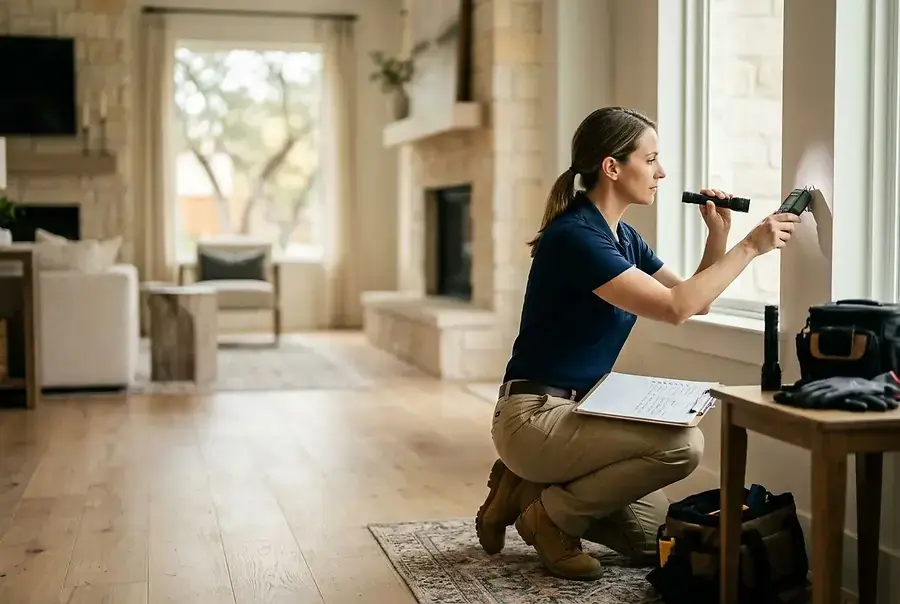
What to Expect During a Professional Home Inspection
A professional home inspection is one of the most important steps in the home-buying process. During a typical inspection, a certified inspector will spend two to four hours thoroughly examining your potential property. Understanding what happens during this process helps you prepare mentally and financially for any discoveries.
The inspector will arrive with specialized equipment and tools designed to assess every major system in your home. You'll want to be present during the inspection so you can ask questions and learn about the property's condition firsthand. The inspector will document their findings with photographs and detailed notes that become part of your official inspection report.
The Inspection Timeline
Most inspections follow a systematic approach, starting with the exterior and working inward. The inspector will examine the roof, foundation, siding, and landscaping before moving inside. Once indoors, they'll assess the interior systems, appliances, and structural elements. This methodical approach ensures nothing is overlooked.
Key Areas Inspectors Examine and Red Flags to Watch For
Professional inspectors focus on several critical areas that can significantly impact your investment. Knowing what they're looking for helps you understand potential issues and their implications.
Structural and Foundation Issues
The foundation is literally the backbone of your home. Inspectors look for:
- Cracks in the foundation or basement walls
- Signs of water damage or moisture intrusion
- Uneven settling or sloping floors
- Gaps between walls and the foundation
Red flag: Large cracks or evidence of previous foundation repairs may indicate serious structural problems requiring expensive remediation.
Roofing and Exterior
Your roof protects everything beneath it, making its condition paramount. Inspectors examine:
- Shingle condition and age
- Flashing around chimneys and vents
- Gutters and downspouts
- Signs of leaks or water damage in attics
Red flag: A roof nearing the end of its lifespan may require replacement within a few years, representing a substantial expense.
Plumbing Systems
Water-related issues can be costly and damaging. Inspectors check:
- Water pressure and flow rates
- Pipe material and condition
- Signs of leaks under sinks and around toilets
- Water heater age and functionality
Red flag: Outdated galvanized pipes or evidence of persistent leaks may require extensive plumbing work.
Electrical Systems
Electrical safety is non-negotiable. Inspectors evaluate:
- Panel capacity and condition
- Outlet grounding and safety features
- Presence of aluminum wiring (a fire hazard)
- Overall system compliance with current codes
Red flag: Outdated electrical panels or aluminum wiring may require costly upgrades to ensure safety.
HVAC and Climate Control
Heating and cooling systems are essential for comfort and health. Inspectors assess:
- Age and condition of furnace and air conditioning units
- Ductwork integrity
- Thermostat functionality
- Maintenance history if available
Red flag: Aging HVAC systems may fail soon, requiring replacement costs of several thousand dollars.
Using Inspection Reports to Negotiate Better Terms
Once you receive your inspection report, you have valuable leverage in negotiations. This document becomes your roadmap for discussing repairs and pricing adjustments with the seller.
Prioritizing Issues
Not all inspection findings carry equal weight. Categorize issues into three tiers:
- Critical: Safety hazards or major system failures requiring immediate attention
- Important: Significant repairs needed within the next few years
- Minor: Cosmetic issues or routine maintenance items
Focus your negotiations on critical and important items. Minor issues are typically the buyer's responsibility after closing.
Negotiation Strategies
You have several options when the inspection reveals problems:
- Request repairs: Ask the seller to fix critical issues before closing
- Request credits: Negotiate a reduction in the purchase price to cover repairs yourself
- Request inspections: Ask for specialized inspections on specific systems (electrical, plumbing, etc.)
- Walk away: If issues are too severe, you may choose to terminate the contract
Pro Tip: Obtain repair estimates from licensed contractors before negotiating. Concrete numbers strengthen your position and demonstrate you've done your homework.
Documentation and Communication
Keep all inspection reports, photographs, and correspondence organized. Clear, professional communication with the seller's agent helps facilitate productive negotiations. Focus on facts rather than emotions when discussing findings.
Moving Forward: Next Steps After Your Inspection
The inspection is complete, but your due diligence continues. Here's what comes next:
Review and Analysis
Take time to thoroughly review the complete inspection report. Don't hesitate to contact your inspector with questions about specific findings. Many inspectors offer follow-up consultations to explain technical issues in layman's terms.
Consult with Professionals
For significant issues, consider hiring specialists:
- Structural engineers for foundation concerns
- Licensed electricians for electrical issues
- Plumbers for water-related problems
- Roofers for roof assessments
These experts can provide detailed estimates and timelines for repairs, giving you accurate information for negotiations.
Plan Your Budget
Even after closing, budget for repairs and maintenance. Set aside funds for items identified during inspection that you'll handle post-purchase. This prevents financial surprises and keeps your investment in top condition.
Maintain Your Investment
Use the inspection report as a maintenance guide. Address minor issues promptly to prevent them from becoming major problems. Regular maintenance protects your investment and maintains your home's value for years to come.
Remember: A thorough home inspection is an investment in peace of mind. By understanding the process, knowing what to look for, and using the results strategically, you protect your financial interests and make an informed decision about one of life's biggest purchases.