San Bruno Property Tax Guide: Essential Knowledge for Homeowners
Learn how property taxes work, available deductions, and smart strategies to maximize your homeownership investment.

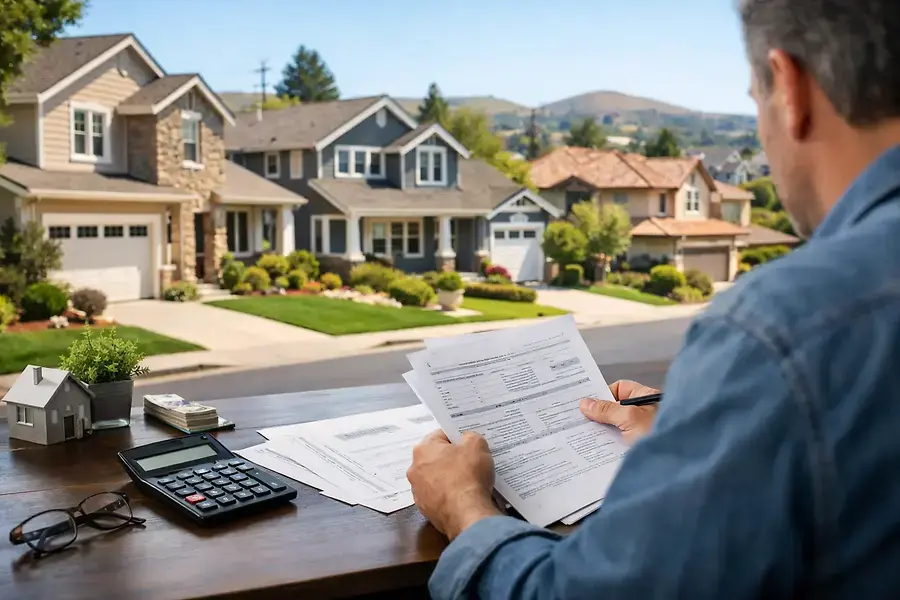
Understanding San Bruno Property Tax Rates and Assessment
Property taxes in San Bruno are a significant consideration for homeowners, and understanding how they work is essential for managing your finances effectively. San Bruno, located in San Mateo County, follows California's property tax system, which is based on the assessed value of your property rather than its current market value.
How Property Tax Assessment Works
In California, properties are assessed at 1% of their assessed value, which is typically the purchase price or the value established during a reassessment. The key to understanding San Bruno property taxes is recognizing that your assessed value may differ significantly from your home's current market value. Properties are reassessed when they change ownership or undergo significant improvements.
The San Mateo County Assessor's Office is responsible for determining property values in San Bruno. They conduct periodic reviews to ensure assessments remain fair and accurate. Homeowners have the right to appeal their assessment if they believe it is incorrect or unfairly high.
Additional Taxes and Fees
Beyond the base 1% property tax rate, San Bruno homeowners may face additional assessments and fees, including:
- School district taxes
- County and city assessments
- Special district taxes for services like fire protection and water
- Voter-approved bonds for infrastructure improvements
These additional levies can increase your total property tax burden, so it's important to review your property tax bill carefully to understand all the charges.
Tax Deductions and Credits Available to Homeowners
While property taxes themselves are not deductible on federal income taxes (due to recent tax law changes), homeowners in San Bruno can still benefit from various deductions and credits that reduce their overall tax liability.
Mortgage Interest Deduction
One of the most valuable deductions for homeowners is the mortgage interest deduction. If you have a mortgage on your San Bruno property, you can deduct the interest you pay each year, provided you itemize deductions on your federal tax return. This deduction can result in significant tax savings, especially in the early years of your mortgage when interest payments are highest.
Home Improvement and Energy Efficiency Credits
Homeowners who make energy-efficient improvements to their properties may qualify for federal tax credits. These improvements can include:
- Solar panel installation
- Energy-efficient windows and doors
- High-efficiency HVAC systems
- Insulation upgrades
- Heat pump water heaters
These credits can offset a portion of your federal income tax liability, making home improvements more affordable while increasing your property's value and efficiency.
California Property Tax Exemptions
California offers several property tax exemptions that San Bruno homeowners may qualify for, including:
- Homeowner's Exemption: Reduces the assessed value of your primary residence by $7,000
- Senior Exemption: Available to homeowners aged 65 and older
- Disabled Veteran Exemption: For eligible veterans with service-connected disabilities
If you qualify for any of these exemptions, applying for them can result in meaningful property tax savings year after year.
Planning Your Tax Strategy as a Residential Property Owner
Developing a comprehensive tax strategy is crucial for maximizing your homeownership benefits. Here are several approaches to consider:
Timing Your Home Purchase
The timing of your home purchase can affect your property tax obligations. If you purchase a home late in the fiscal year, your property tax bill may be prorated, resulting in lower taxes for that year. Understanding the assessment timeline can help you plan your purchase strategically.
Documenting Home Improvements
Keep detailed records of all home improvements and repairs. While routine maintenance is not deductible, capital improvements that add value to your home may qualify for tax benefits. Proper documentation ensures you can substantiate these expenses if needed.
Leveraging Homeowner Deductions
Work with a tax professional to ensure you're claiming all available deductions. Many homeowners miss out on valuable tax benefits simply because they're unaware of them. A qualified tax advisor can help you identify opportunities specific to your situation.
Considering Your Long-Term Investment
When evaluating your San Bruno property as an investment, consider the long-term tax implications. Properties held for extended periods benefit from appreciation, and when you eventually sell, you may qualify for the capital gains exclusion, which allows you to exclude up to $250,000 (or $500,000 for married couples) of gains from taxation if you meet certain requirements.
Staying Informed About Tax Law Changes
Tax laws change regularly, and staying informed about new deductions, credits, and exemptions is essential. Subscribe to updates from the San Mateo County Assessor's Office and consult with tax professionals to ensure you're taking advantage of all available benefits.
Conclusion: Maximizing Your Homeownership Benefits
Understanding San Bruno property taxes is a critical component of successful homeownership. By familiarizing yourself with assessment procedures, available deductions, and strategic planning approaches, you can significantly reduce your tax burden and maximize your investment returns.
Key takeaways include:
- San Bruno property taxes are based on assessed value, not market value
- Multiple deductions and credits are available to homeowners
- Strategic planning can help minimize your overall tax liability
- Working with tax professionals ensures you don't miss valuable opportunities
- Staying informed about tax law changes protects your financial interests
As a San Bruno homeowner, taking the time to understand your property tax obligations and exploring available benefits will pay dividends throughout your homeownership journey. Consider consulting with a local tax professional or financial advisor who specializes in California property taxes to develop a personalized strategy that works best for your unique situation.


